

My First Day in Lisbon – Stepping into the City of Colorful Hills
My plane landed at Lisbon Humberto Delgado Airport early in the morning, and the moment I stepped out, I could already smell the mix of ocean breeze and city air. You can tell right away — Lisbon isn’t a quiet capital. It’s alive with the rhythm of trams, the scent of coffee drifting from cafés, and the sound of music echoing through the streets.
My First Day in Lisbon – Stepping into the City of Colorful Hills
- First Steps in Lisbon: From the Airport to the Heart of the City
- Arrival at Humberto Delgado Airport
- Taking the metro to Baixa-Chiado
- First impressions of the city
- Getting to Know the City: Lisbon’s Hills and Viewpoints
- Walking through the Alfama district
- Miradouro de Santa Luzia and Portas do Sol
- The charm of getting lost in Lisbon’s streets
- Between History and Everyday Life: My First Stop, Sé Cathedral
- Visiting Lisbon Cathedral (Sé de Lisboa)
- The story behind Lisbon’s oldest monument
- The Tram 28 experience
- Lunch Break: Meeting Portuguese Flavors by the River
- Discovering Time Out Market Lisboa
- Local dishes to try: Bacalhau à Brás, Polvo à Lagareiro, Pastel de Nata
- Price range and wine pairing tips
- Lisbon at Sunset: Watching the Day Fade by the Tagus River
- Praça do Comércio and Cais das Colunas
- The golden hour view over the 25 de Abril Bridge
- Locals’ sunset ritual by the riverside
- After My First Day in Lisbon: Small Tips and Personal Notes
- Walking route suggestion for the first day
- What to pack and wear for Lisbon’s hills
- Practical tips: Tram 28, cash vs card
- Final reflections after a day in Lisbon
- First Steps in Lisbon: From the Airport to the Heart of the City
My plane landed at Lisbon Humberto Delgado Airport early in the morning, and the moment I stepped out, I could already smell the mix of ocean breeze and city air. You can tell right away — Lisbon isn’t a quiet capital. It’s alive with the rhythm of trams, the scent of coffee drifting from cafés, and the sound of music echoing through the streets.
The airport itself is small but efficient, and getting to the city center is surprisingly easy compared to other European capitals. The Red Line (Linha Vermelha) of the metro connects directly from the terminal to downtown. As of 2025, a single ticket costs €1.80, and the rechargeable Viva Viagem card is €0.50. If you’re staying for a few days, definitely keep the card — it works for the metro, buses, and trams.
My stop was Baixa-Chiado, right in the heart of Lisbon. After about 25 minutes, I emerged from the metro into a scene that felt like stepping into a postcard: narrow cobblestone streets, pastel-colored buildings, and a soft Atlantic breeze brushing across my face.
For a moment, I just stood there listening — the ring of a tram bell in the distance, locals chatting over espresso, sunlight reflecting off tiled façades. That was the instant I realized I’d truly arrived in Lisbon.
I dropped my luggage at a small hotel in Alfama, grabbed my camera, and decided not to follow any plan. Because in Lisbon, the best discoveries happen when you let yourself get lost.
- Getting to Know the City: Lisbon’s Hills and Viewpoints
The moment you start walking in Lisbon, you realize the city isn’t just made of streets — it’s built from stories, sounds, and slopes. It truly deserves its nickname, the city of seven hills. Every few steps, there’s a new surprise waiting: a panoramic view, a hidden courtyard, or a wall covered with blue azulejo tiles that sparkle in the sun.
My first destination was Alfama, the oldest and most atmospheric neighborhood in Lisbon. Wandering through its maze of narrow alleys felt like stepping back in time. Elderly women sat by their doorways chatting with neighbors, laundry hung from iron balconies, and the faint sound of fado music floated between the stone walls. Every corner had its own personality, its own rhythm.
After a short climb, I reached my first viewpoint — Miradouro de Santa Luzia. Surrounded by colorful tiles and flowering vines, it overlooks the red rooftops of Alfama and the shimmering Tagus River below. A soft breeze carried the sound of tram bells from the distance. Just a few minutes’ walk up the hill brought me to Portas do Sol, another terrace where the morning light paints the city in gold. If you’re an early riser, it’s one of the best spots to take photos without the crowds.
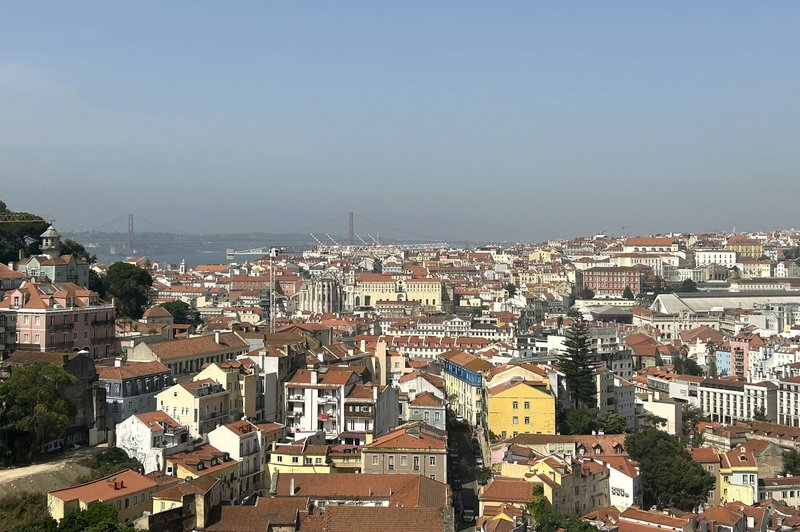
Walking here means losing track of time. The hills can be tiring, but the reward at the top is always worth it — a view that makes you forget your aching legs. Exploring Lisbon on foot isn’t just about seeing the city; it’s about discovering your own sense of curiosity. Around every turn, there’s something new — an art gallery tucked between old houses, a tiny fado bar, or just a friendly local who greets you with a smile.
By late afternoon, the sunlight began to soften, and the pastel-colored buildings started to glow even warmer. That’s when I understood: Lisbon isn’t a city you simply visit — it’s a place you feel.
- Between History and Everyday Life: My First Stop, Sé Cathedral
As I followed the tram tracks down the narrow streets of Alfama, a massive stone structure suddenly appeared before me — Sé de Lisboa, the Lisbon Cathedral. Built in the 12th century, it’s not only the oldest church in the city but also one of its most enduring symbols. It has survived earthquakes, fires, and wars, standing proudly as a witness to Lisbon’s turbulent history.
Inside, the noise of the city fades away. The cool air, dim light, and the faint scent of candles create an atmosphere of deep calm. Rays of sunlight stream through the stained-glass windows, casting soft colors across the ancient stone walls. For a few minutes, I just stood there in silence, letting the weight of history sink in. The cathedral isn’t just a religious site — it’s a time capsule that holds the memory of every era Lisbon has lived through.
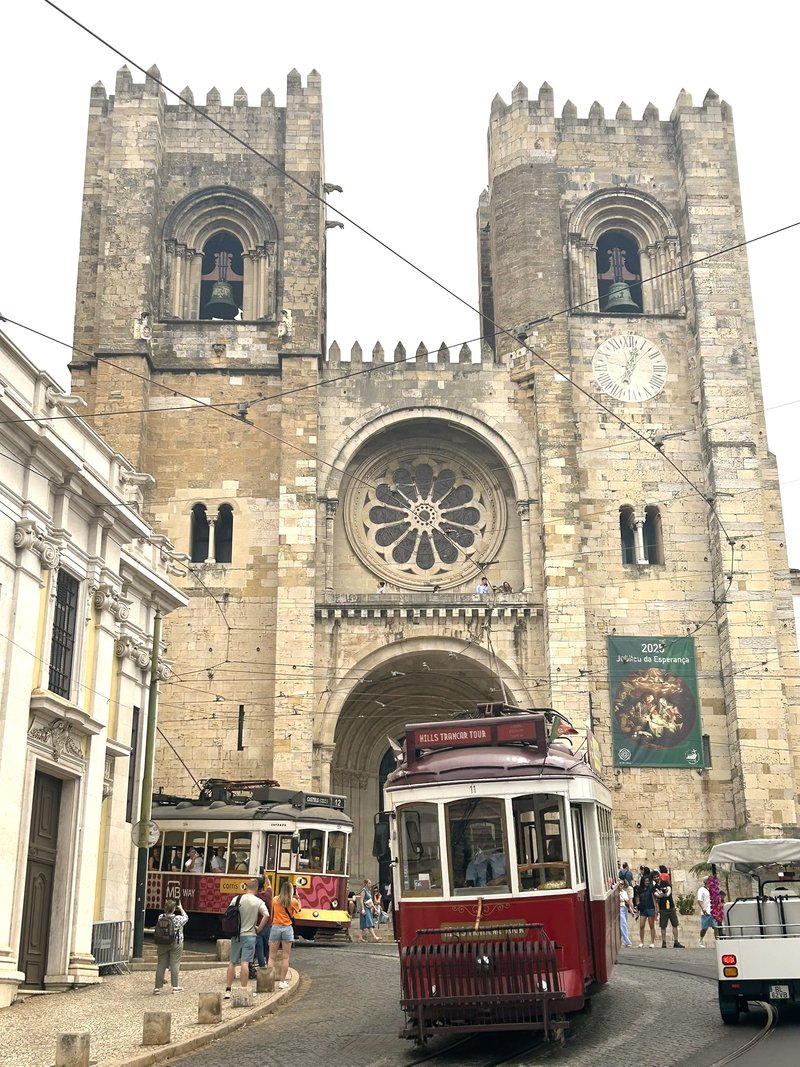
Right outside, the familiar sound of Tram 28 breaks the stillness. Its bright yellow carriages clatter along the tracks, turning sharply between buildings that seem too close for comfort. Riding this tram is one of Lisbon’s classic experiences — part sightseeing tour, part journey through daily life.
I hopped on, and as the tram rattled uphill, the view outside changed constantly: tiny shops, tiled façades, locals chatting by open windows. Some people were heading to work, others simply enjoying the ride. The wooden seats creaked with every turn, and the wind from the open window carried the scent of roasted chestnuts from the street vendors below.
After a short ride, I got off near the cathedral again. It was just past noon, the sun was high, and the pastel-colored buildings around me glowed softly under the light. I could feel my stomach starting to grumble — time to meet Lisbon’s flavors for the first time.
- Lunch Break: Meeting Portuguese Flavors by the River
Morning walks in Lisbon do two things: they tire you out and make you very hungry. The air carries a mix of grilled fish, fresh bread, and roasted coffee — a combination that makes it impossible to resist stopping for lunch. From the cathedral, I walked downhill toward Baixa, following the salty breeze drifting up from the river. My destination: Time Out Market Lisboa.
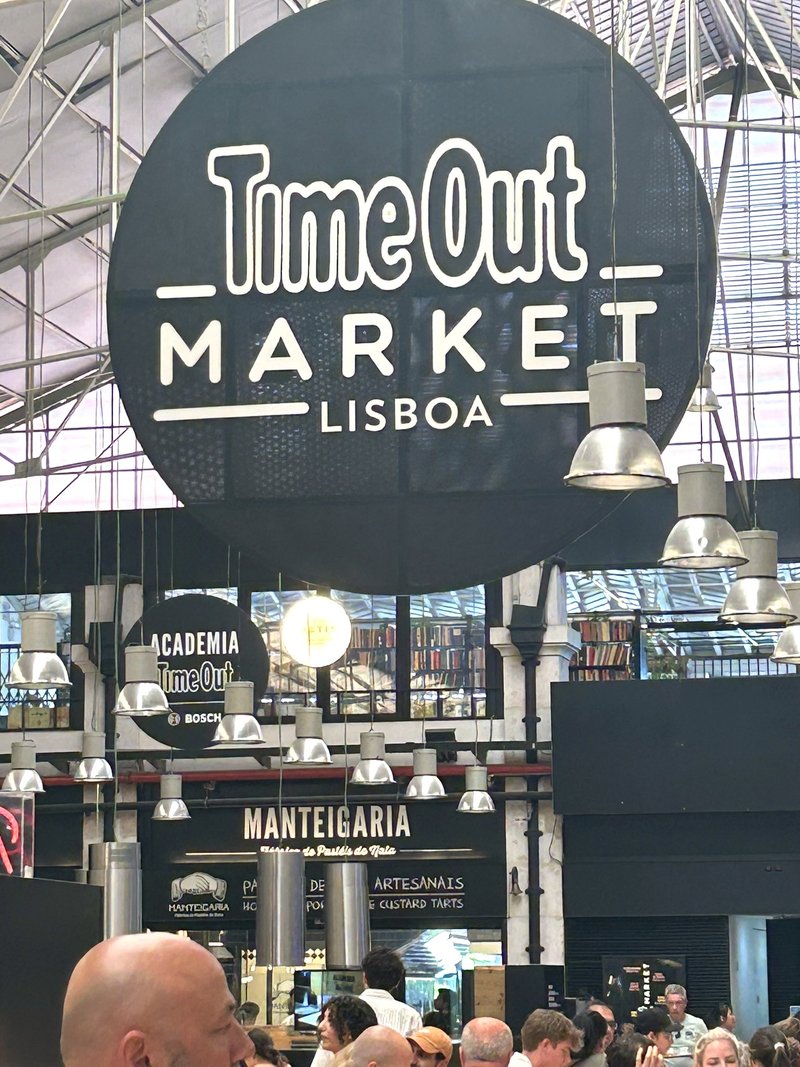
The moment I stepped inside, I realized this wasn’t an ordinary food court — it was a celebration of Portuguese cuisine under one roof. Once an old market hall, it’s now filled with dozens of food stalls run by some of Lisbon’s best chefs. Wooden communal tables stretch across the center, and the air buzzes with conversation and clinking glasses.
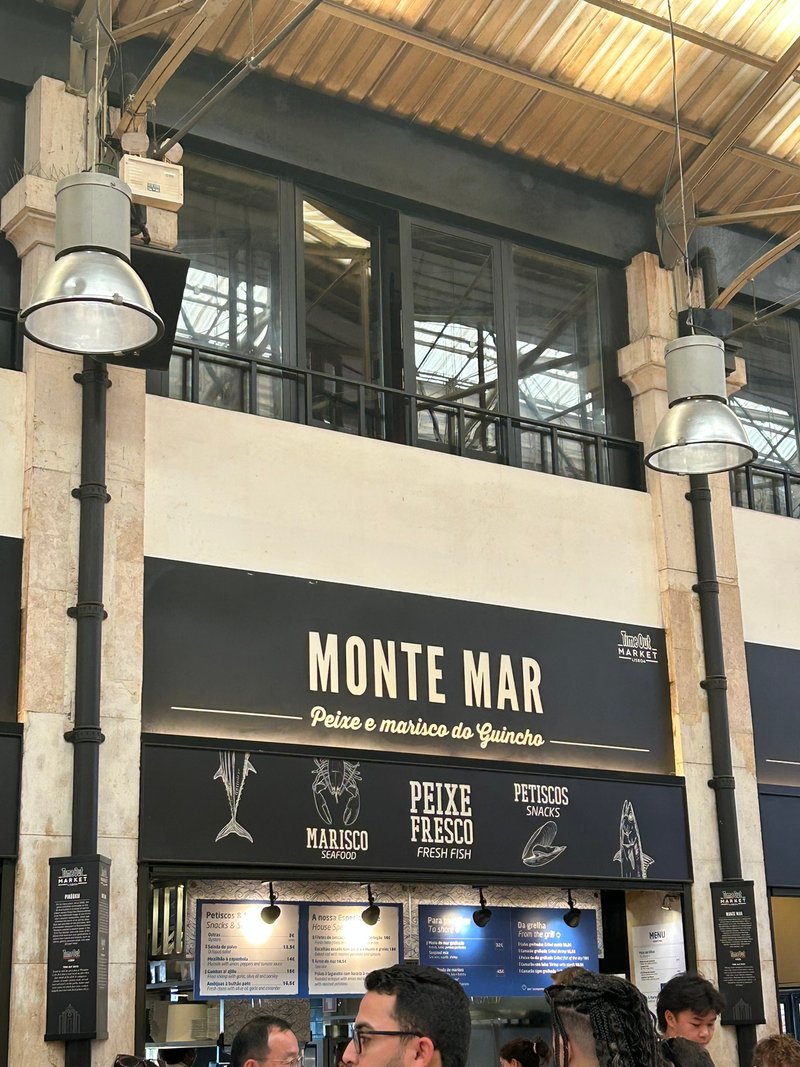
I started with Bacalhau à Brás, Lisbon’s famous salted cod dish. Shredded cod is mixed with thin fries, scrambled eggs, and black olives — a simple yet comforting flavor that captures the soul of local cooking. Next came Polvo à Lagareiro, grilled octopus drizzled with garlic olive oil. Crispy on the outside, soft inside, and rich in flavor — it was easily one of the best octopus dishes I’ve ever tried.
To pair it with something light, I ordered a glass of Vinho Verde, a young, slightly sparkling white wine that’s perfect for warm afternoons. In 2025, main dishes here range between €12–18, and a glass of wine costs around €3–4.
For dessert, I couldn’t leave without trying the legendary Pastel de Nata. The flaky crust, creamy custard filling, and a sprinkle of cinnamon created the perfect balance of sweetness. The first bite instantly explained why this little tart is a national treasure.
As I sat there, surrounded by the noise of locals and travelers, I felt the pulse of Lisbon — lively yet relaxed, energetic but never rushed. After lunch, I took a slow walk toward the Tagus River. The sound of street musicians filled the air, and couples sat by the water, sharing ice cream and watching the boats drift by.
By that point, I realized Lisbon doesn’t just feed you — it teaches you to slow down, savor the moment, and enjoy every detail, just like a Pastel de Nata eaten under the afternoon sun.
- Lisbon at Sunset: Watching the Day Fade by the Tagus River
After lunch, Lisbon seemed to slow its pace. The city grew quieter, softer — as if everyone was taking a deep breath before evening arrived. I wandered down toward Praça do Comércio, the grand square that opens directly to the Tagus River. Framed by yellow arcaded buildings and the triumphal Arco da Rua Augusta, it feels both royal and welcoming, like the front porch of the city.
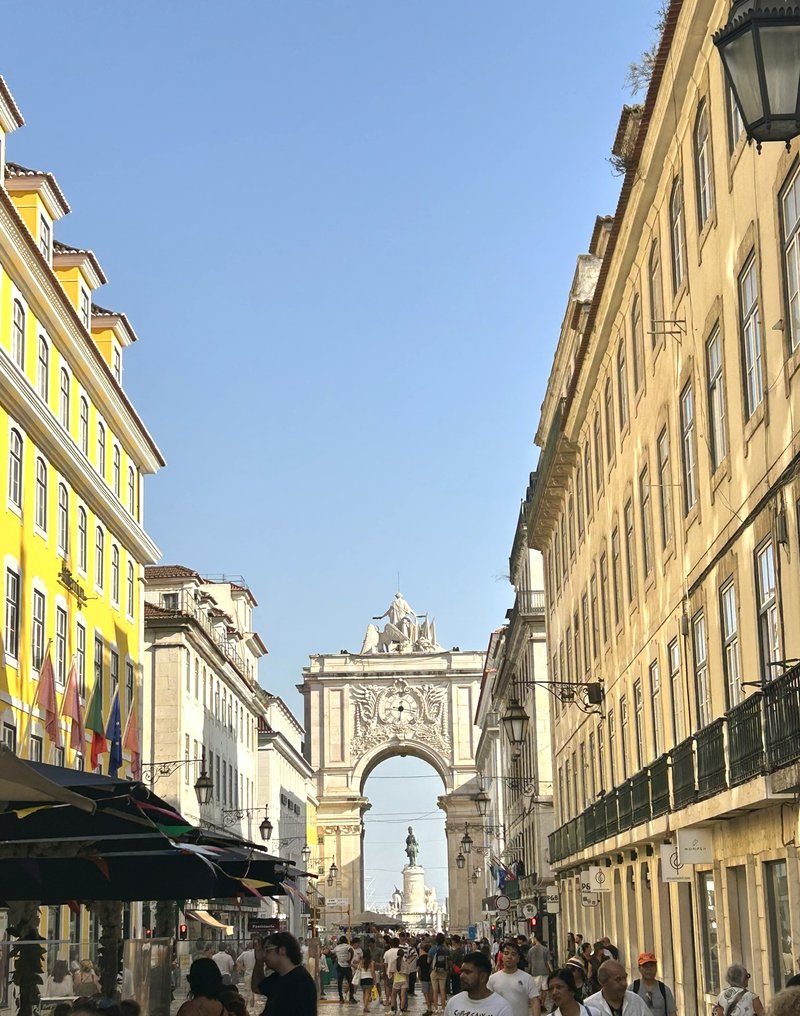
In the middle of the square stands the statue of King José I, facing the river as if guarding Lisbon’s gateway to the Atlantic. From here, I walked down to the marble steps known as Cais das Colunas, where the city meets the water. Locals and travelers were already gathering along the edge, sitting on the steps with drinks in hand, waiting for the sunset.
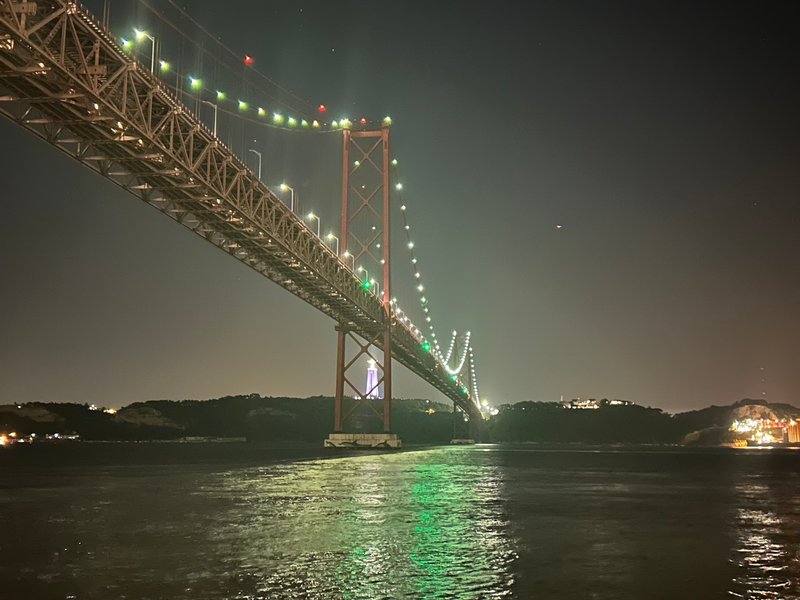
I found a spot and joined them, sipping a glass of Tinto Verde — a chilled red wine with a light fizz. As the sun dipped lower, the sky turned shades of pink, gold, and orange. The 25 de Abril Bridge stretched across the horizon like a red ribbon, and on the opposite bank, the Cristo Rei statue stood tall with open arms, glowing in the fading light.
There was no rush, no noise — just a calm, collective silence as everyone watched the day end. The sound of waves gently hitting the stones, the laughter of friends nearby, a busker playing soft guitar — it all blended into a peaceful rhythm.
When the last bit of sunlight disappeared behind the bridge, the city slowly came back to life. Streetlights flickered on, trams glided past with their windows glowing, and the air filled once again with music and conversation. I started walking back through the illuminated streets, feeling that quiet satisfaction that only travel can give.
In that moment, I understood what makes Lisbon special — it’s not just beautiful; it’s deeply human. Every sunset feels like a reminder to slow down, breathe, and simply be there.
- After My First Day in Lisbon: Small Tips and Personal Notes
By the end of my first day in Lisbon, both my legs and my mind were full. The endless hills had left me exhausted, but every corner I turned brought something that made me forget the tiredness — a hidden view, a melody drifting through the air, or a meal that lingered in my memory. Lisbon doesn’t just invite you to see it; it invites you to feel it. Walking back to my hotel that night, I realized this city has a rhythm of its own — slow, musical, and impossible not to fall in step with.
Here are a few small but useful notes from that first day:
- Explore Lisbon on foot, but wear good shoes. The city’s streets are mostly cobblestone, sometimes steep, and can get slippery. Especially in Alfama and Bairro Alto, a comfortable pair of sneakers will be your best friend. The views at the top of each hill are worth every step.
- Ride Tram 28 early in the morning. It’s one of the city’s most famous experiences, but also one of the most crowded. Go before 8 a.m. to avoid long queues and enjoy the ride in peace. The route passes through many of Lisbon’s iconic neighborhoods — it’s like a moving postcard.
- Follow a simple walking route for your first day. My route looked like this:
Baixa-Chiado → Sé Cathedral → Alfama streets → Miradouro de Santa Luzia → Portas do Sol → Praça do Comércio It’s short, scenic, and captures the essence of Lisbon — history, charm, and views of the Tagus River. - Take a proper coffee break. Coffee culture is part of Lisbon’s identity. Stop at a small café for an espresso (bica) and pair it with a Pastel de Nata for around €2.50 total. You’ll see locals standing at the counter chatting — join them.
- Carry a bit of cash. Most places accept cards, but a few small cafés, bakeries, and fado bars still prefer cash. Keep some €5–10 notes with you just in case.
- Don’t miss the sunset. Whether it’s your first or last day, find a spot to watch the sun go down — Cais das Colunas or Miradouro de Santa Catarina are perfect choices. The warm light over the red rooftops is something you’ll never forget.
That night, as I looked out my window, I realized Lisbon rewards those who take their time.
It’s not a city for rushing; it’s a city for wandering. You don’t need a strict plan — you just need curiosity and the willingness to pause.
Because in Lisbon, even silence has a melody.


