

Prague Food Culture: What to Eat & Where to Try It
What to eat in Prague and where to try it? A practical guide to Czech food culture, pubs vs restaurants, prices, and first-time visitor tips.
Understanding Prague’s Food Culture: Why People Eat This Way
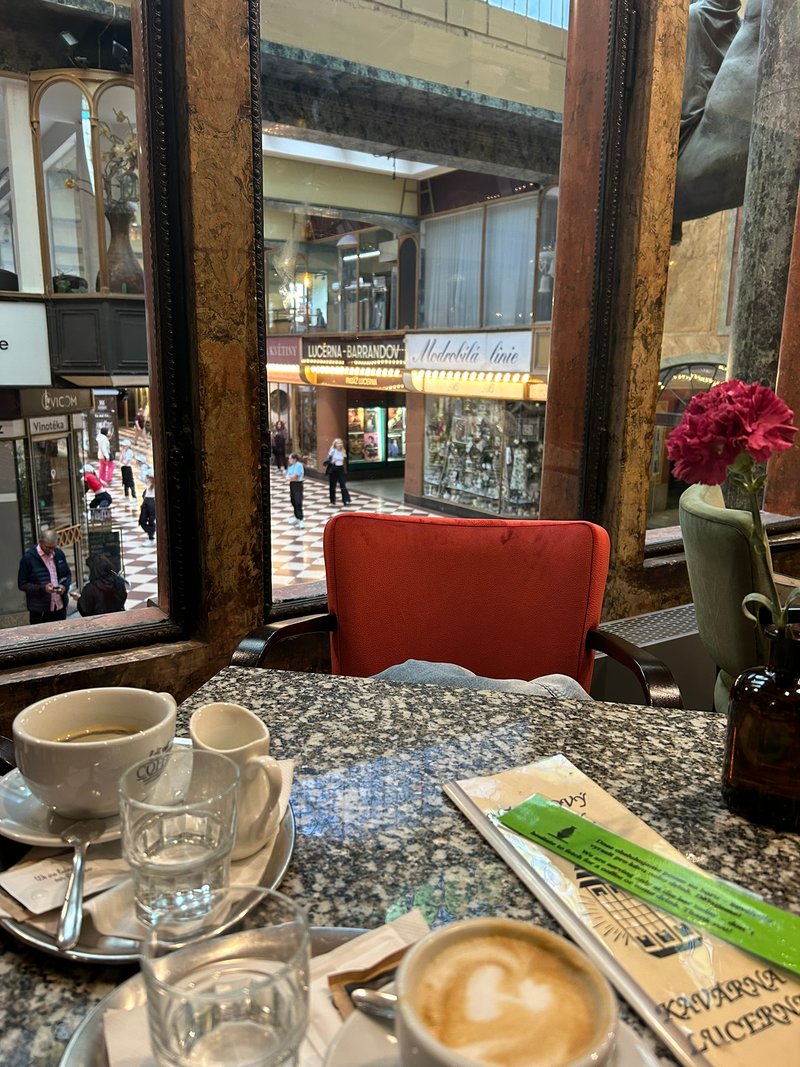
Food in Prague often triggers mixed reactions. Some visitors describe it as heavy and repetitive, while others find it authentic and satisfying. The reality sits somewhere in between. Prague’s food culture only makes sense when you view it within its historical, climatic, and social context.
Czech cuisine is shaped by long winters, limited agricultural variety, and Central European traditions that prioritize nourishment over refinement. For centuries, food here has been expected to provide energy, warmth, and satiety rather than lightness or visual elegance. That mindset still defines what ends up on the plate today.
Vegetable-forward dishes or delicate flavor profiles are not central to traditional Czech cooking. Instead, the foundation of most meals consists of:
- slow-cooked meats
- rich, often creamy sauces
- filling sides such as potatoes or bread dumplings
In Prague, food is less about culinary exploration and more about habit and functionality. Understanding this is key. If you approach meals expecting Mediterranean-style freshness or variety, disappointment is likely. If you approach them as part of a daily rhythm designed to fuel long days, the experience becomes far more coherent.
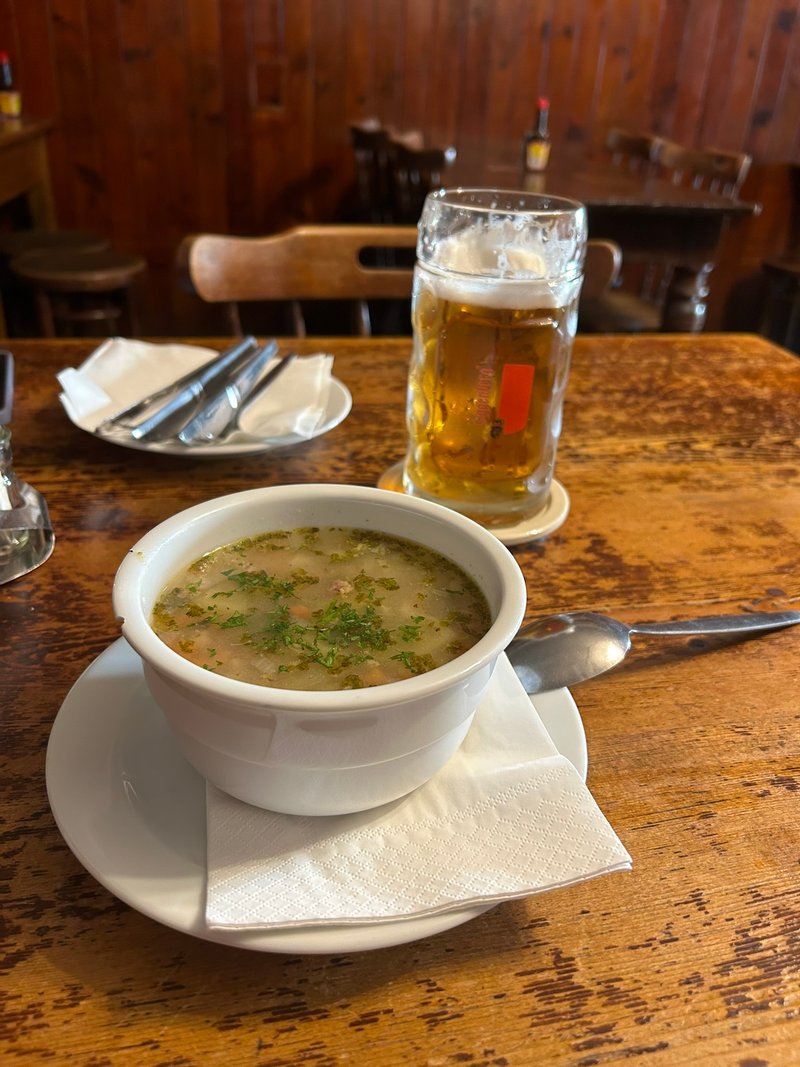
Daily Eating Habits in Prague: Lunch and Dinner Are Not the Same
One of the most important things to understand about eating in Prague is that lunch and dinner serve very different roles.
Lunch is the main meal of the day. Locals take it seriously. Office workers, students, and shop employees regularly eat out at midday, which is why many restaurants offer meníčko—set lunch menus available only for a few hours. These menus are:
- more affordable
- faster to serve
- structured, often including soup and a main dish
If you want to see Czech food as locals actually eat it, lunchtime is when it makes the most sense. Restaurants are busy, kitchens are efficient, and the food reflects everyday standards rather than tourist expectations.
Dinner, on the other hand, is where many visitors misjudge Prague’s food culture. Evening meals are not lighter, smaller, or particularly experimental. Portions remain generous, and menus often resemble lunch offerings. Prague does not follow the Southern European habit of long, light dinners meant for slow socializing.
This doesn’t mean dinner lacks atmosphere—only that the structure of the meal doesn’t change much. Expecting a delicate evening dish after a full day of walking is a common mistake. Understanding this helps you plan meals more realistically and avoid unnecessary frustration.
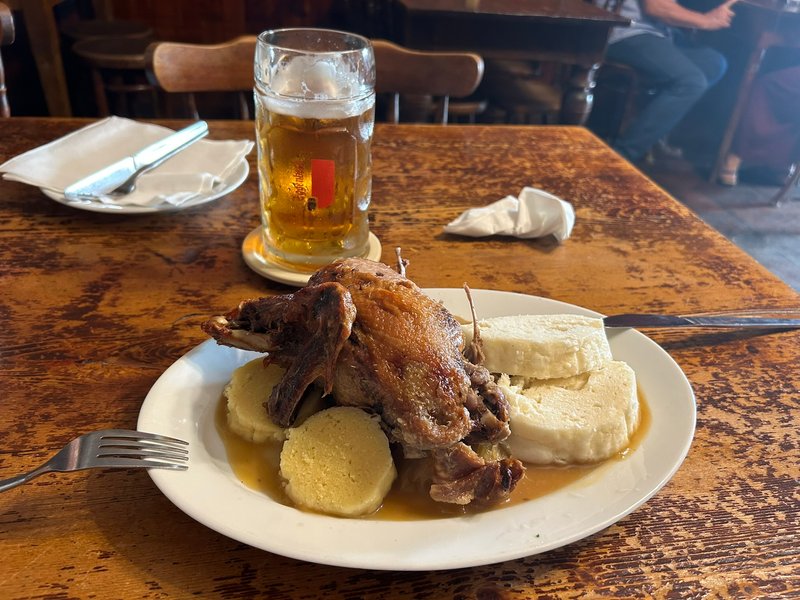
What Do People Actually Eat in Prague? Everyday Traditional Dishes
When asking “What should I eat in Prague?”, it’s more useful to think in terms of patterns rather than individual dishes.
Most traditional meals follow a familiar structure:
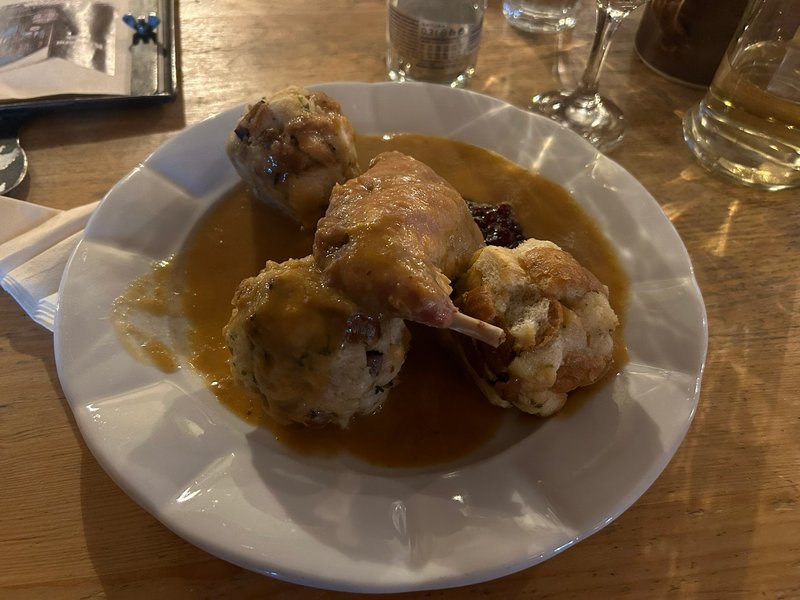
- a protein-based main dish (usually pork, beef, or chicken)
- a substantial sauce
- a filling side such as potatoes or bread dumplings (knedlíky)
Flavor is built through cooking technique rather than spice. Slow roasting, braising, and sauce reduction are far more important than seasoning complexity. These dishes are meant to be comforting and filling, not surprising.
Knedlíky deserve special mention. These bread dumplings appear alongside many main dishes and are designed to absorb sauce rather than stand on their own. On their own, they may seem bland—but within the context of the meal, they complete the plate.
Some traditional dishes are best approached as “try once” experiences. They are deeply rooted in daily life, but eating them repeatedly over a short trip can feel overwhelming. Prague’s food culture doesn’t require you to eat traditionally at every meal. In fact, moderation is often the smartest strategy.
Understanding Czech cuisine isn’t about tasting everything—it’s about recognizing its role in daily life and choosing when to engage with it.
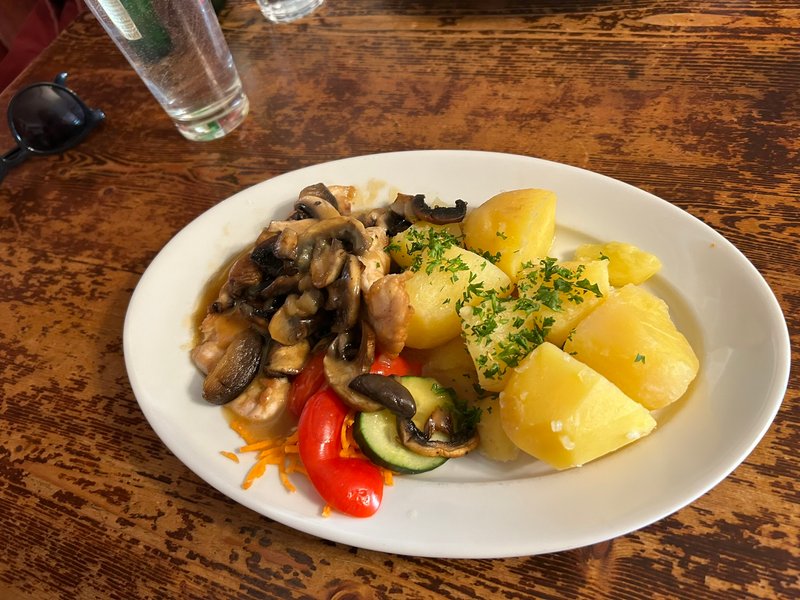
Pubs or Restaurants? Choosing the Right Place to Eat
One of the most common mistakes visitors make in Prague is assuming that every place serving food operates like a traditional restaurant. In reality, much of the city’s food culture revolves around pubs (hospody), and these are not simply places to drink beer.
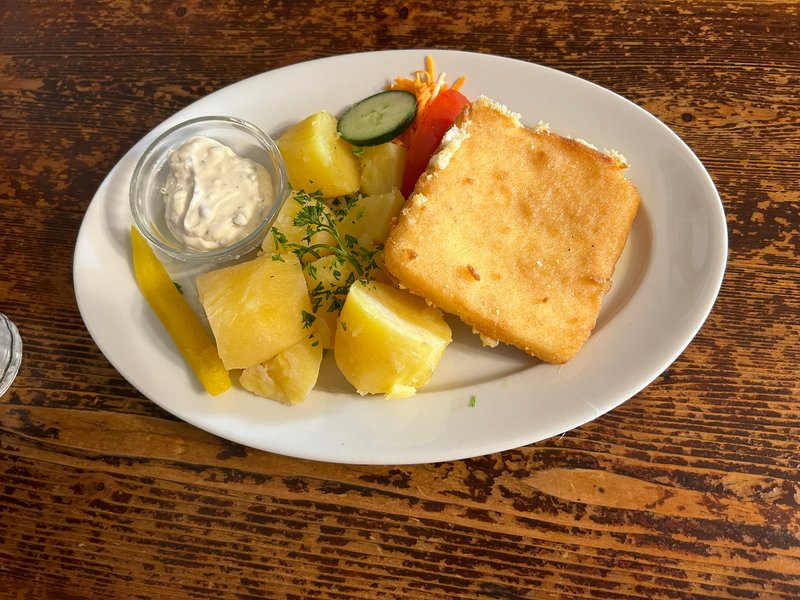
Pubs are where locals regularly eat, especially at lunch and in the early evening. Their menus are usually short, predictable, and focused on a handful of staple dishes. What they lack in presentation, they make up for in consistency. Portions are generous, prices are reasonable, and the food reflects everyday Czech eating habits.
Restaurants, by contrast, vary widely in quality and intent. Some are genuinely food-driven and carefully run. Others—particularly in highly touristic areas—are designed for volume rather than experience. These places often look inviting but deliver food that feels disconnected from local standards.
A practical rule of thumb:
- Lunch: pubs or restaurants offering set lunch menus
- Dinner: quieter restaurants with a visible local clientele
As a reference point, places like Lokál illustrate the pub-restaurant hybrid well. It’s not mentioned as a must-visit destination, but as an example of what to look for: a straightforward menu, fast service, and food designed to be eaten regularly, not admired.
Street Food in Prague: Limited but Predictable
Compared to many European cities, Prague does not have a strong street-food culture. Quick, savory options are relatively limited, and most street stalls focus on sweets rather than full meals.
What you’ll commonly encounter on the street is:
- dessert-style snacks
- visually appealing but tourist-oriented items
- food meant to be eaten while walking, not to replace a meal
These options are best seen as experiences rather than staples. They rarely represent how locals eat on a daily basis and often come at inflated prices. If you’re genuinely hungry, a pub or bakery will usually offer better value and quality than a street stall.
For quick savory food, pub kitchens or small bistros remain a more reliable choice than street vendors.
Desserts and Coffee: Prague’s Lighter Side
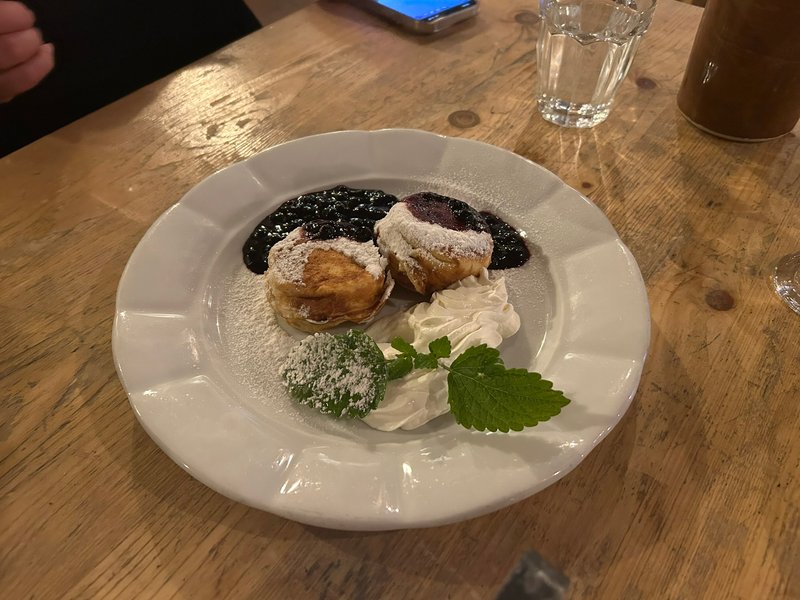
While Czech cuisine is often described as heavy, dessert and coffee breaks offer a softer contrast. Traditional desserts tend to be:
- sweet and filling
- dough-based
- best shared rather than eaten alone
They are not meant to be intricate or refined. Instead, they function as comfort food or as an extension of a meal. Adjusting expectations here makes a significant difference.
Coffee culture, however, has evolved noticeably in recent years. Outside the most touristic zones, Prague has developed a strong café scene with:
- third-wave coffee shops
- small bakery-cafés
- spaces designed for short, intentional breaks
For many visitors, these coffee stops become essential in balancing heavier meals. A well-timed coffee and pastry break during a long walk can reset the day and make the overall food experience far more enjoyable.
Where You Eat Matters: Area and Timing
In Prague, location and timing matter as much as the food itself.
Old Town and its immediate surroundings are:
- more expensive
- more inconsistent in quality
- oriented toward short-term visitors
If you do eat there, lunchtime is generally safer. In the evening, walking just a few streets away often leads to better food at more reasonable prices.
Planning meals alongside your walking route is one of the most effective strategies in Prague. Long walks pair well with:
- a solid lunch at a pub
- a relaxed coffee break
- a lighter, unplanned dinner
This rhythm fits the city naturally and reduces the pressure of making every meal a highlight.
Prices, Portions, and Common Pitfalls
Prague is still relatively affordable compared to many major European capitals, but food prices vary significantly depending on location. In non-touristic areas, restaurant prices remain reasonable; in Old Town and along major tourist routes, they can rise quickly without a corresponding increase in quality.
Portion size is one of the most consistent aspects of Czech food culture. Main dishes are rarely small, and combining multiple courses is often unnecessary. For many visitors, a single main dish is more than sufficient—especially if it includes bread dumplings or potatoes.
Another detail worth noting is side dishes. In some restaurants, sides are listed separately and added at an extra cost. This is common practice rather than a trap, but it can surprise visitors who assume garnishes are included. Taking a moment to read the menu carefully avoids confusion.
Tipping is customary but not obligatory. Rounding up the bill or adding a modest amount is standard. When paying by card, tipping is usually handled verbally before payment rather than automatically added, which can catch visitors off guard.
What If Czech Food Isn’t for You?
Czech cuisine does not appeal to everyone, and that’s entirely normal. If you prefer lighter meals, plant-forward dishes, or frequent variety, adjusting your approach makes a significant difference.
You don’t need to eat traditionally at every meal. Many travelers find that:
- a substantial Czech lunch
- followed by a lighter diner creates a more balanced experience.
Prague also offers a wide range of international food options. These aren’t replacements for Czech cuisine, but tools for pacing your trip. Alternating between local meals and lighter or international options helps prevent fatigue from heavy dishes.
Cafés and bakeries play an important role here. Coffee breaks with pastries or small snacks allow you to stay energized without committing to another full meal. This approach fits naturally into Prague’s walkable layout and supports longer sightseeing days.
Making Food Part of the Experience — Not the Focus
In Prague, food works best as a supporting element, not the main attraction. Unlike cities known for culinary innovation, Prague’s food culture is rooted in tradition, routine, and practicality.
The most rewarding approach is to treat meals as part of the city’s rhythm:
- walk first
- eat when it makes sense
- avoid forcing every meal to be memorable
When expectations are aligned, Czech food feels honest and grounded rather than disappointing. You may not leave Prague dreaming about specific dishes, but you will better understand how the city functions day to day.
Food here reflects the same qualities found elsewhere in Prague: structure, consistency, and understated character. Accepting that makes the experience more coherent—and often more enjoyable.


