

Budapest Travel Essentials: Where to Stay, How to Get Around, What to Eat, Budget Tips & Everything You Need to Know
Budapest is one of those cities that surprises you the moment you arrive. It’s vibrant yet calm, historical yet modern, and far more practical than you expect. With the peaceful hills of Buda on one side and the lively streets of Pest on the other, the city instantly gives you that “I could live here” feeling.
Budapest Travel Essentials: Where to Stay, How to Get Around, What to Eat, Budget Tips & Everything You Need to Know
- Where to Stay in Budapest
- How to Get from the Airport to the City Center
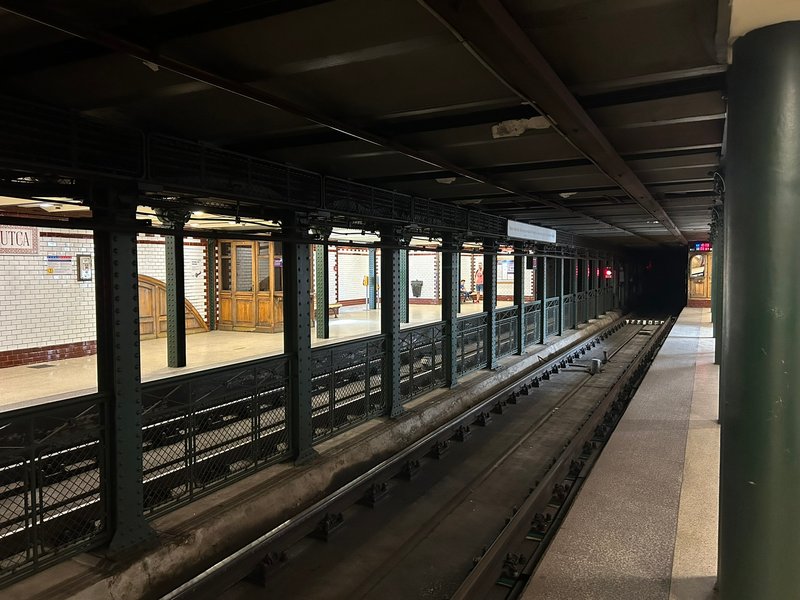
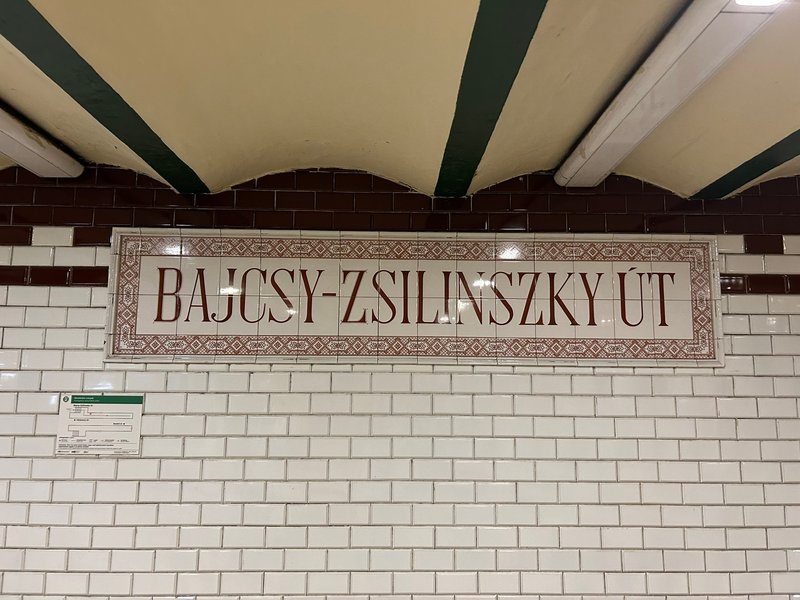
- Getting Around the City: Metro, Tram & Walking
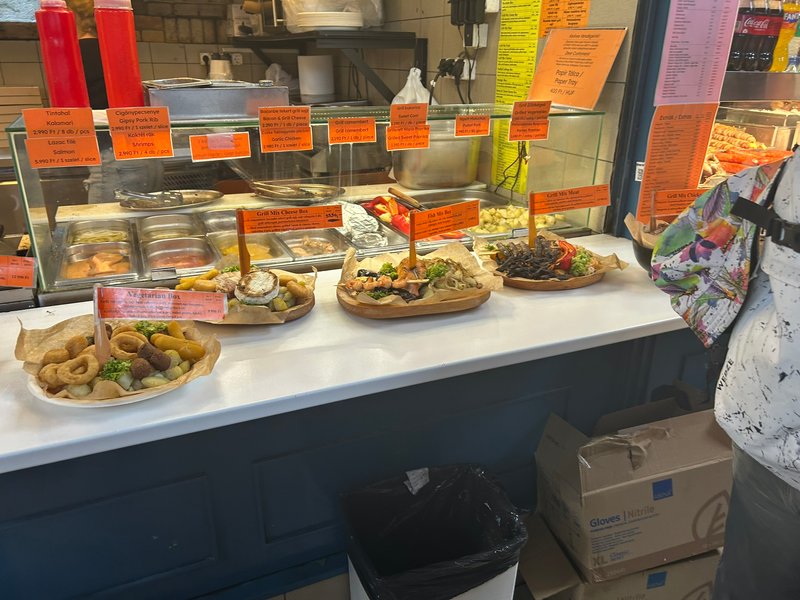
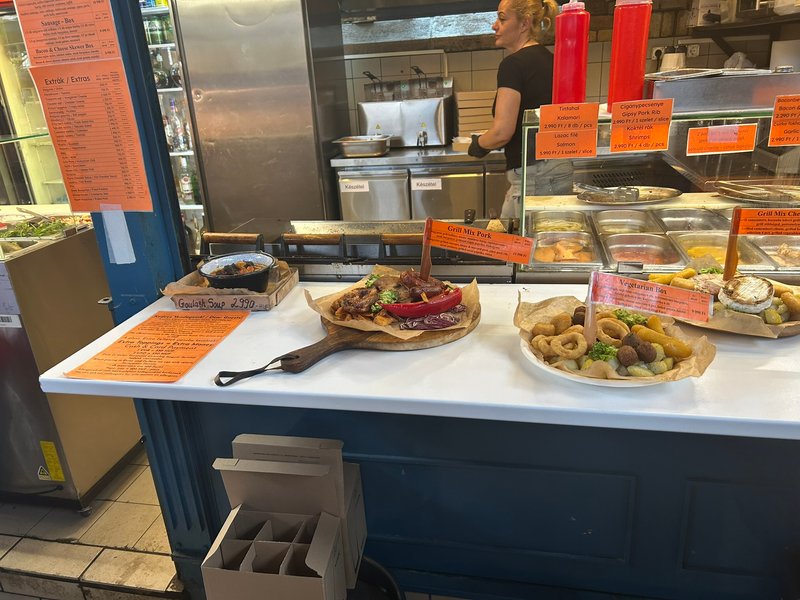
- Food Culture in Budapest
- Restaurant, Café & Bar Recommendations
- Budget Guide: Is Budapest Expensive or Affordable?
- Language, Currency & Safety
- Useful Tips Before Visiting Budapest
- Tourist Traps to Avoid
- Final Thoughts: Making Your Budapest Trip Easier
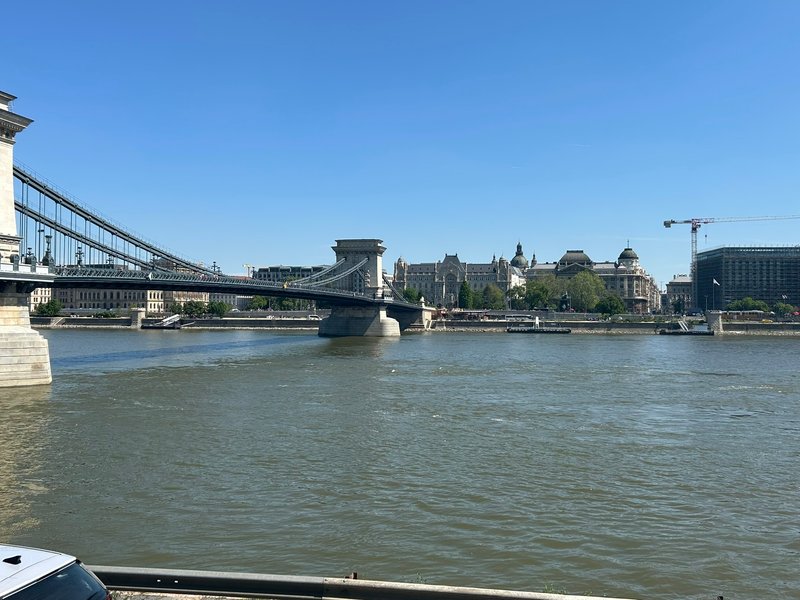
Welcome to the Budapest Travel Essentials Guide
Budapest is one of those cities that surprises you the moment you arrive. It’s vibrant yet calm, historical yet modern, and far more practical than you expect. With the peaceful hills of Buda on one side and the lively streets of Pest on the other, the city instantly gives you that “I could live here” feeling.
This guide brings together everything you need before visiting Budapest — from where to stay, how to get around, what to eat, budget tips, safety, and local insights — all in one clear and easy-to-follow place. No confusing details, no unnecessary information; just the things that actually matter when planning your trip.
Whether you're staying for a quick weekend, a group trip with friends, or a longer exploration, this guide offers practical, budget-friendly, and experience-based tips that will help you navigate the city with confidence.
If you're ready, let’s dive into everything you should know to explore Budapest comfortably, affordably, and without stress.
- Where to Stay in Budapest
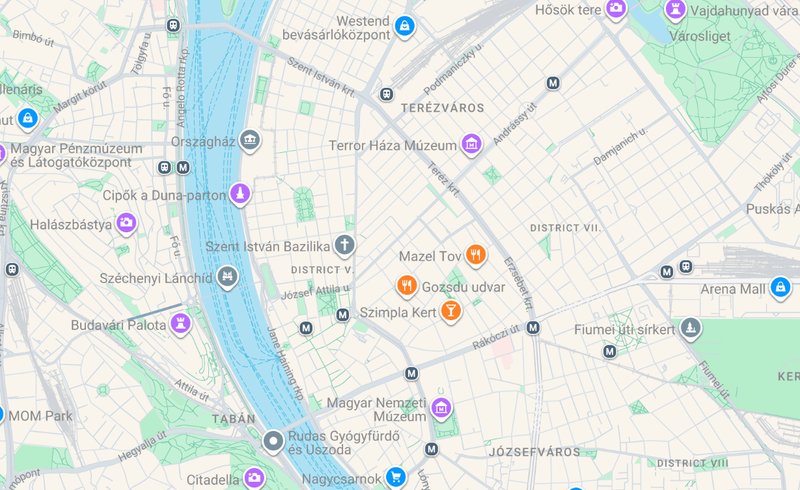
Budapest is divided into two distinct sides — Buda and Pest — and this makes choosing where to stay surprisingly easy. Buda is calm, green, more residential, and offers beautiful panoramic views. Pest, on the other hand, is lively, full of cafés, restaurants, nightlife, and most major attractions. For first-time visitors, staying on the Pest side is usually the most convenient option.
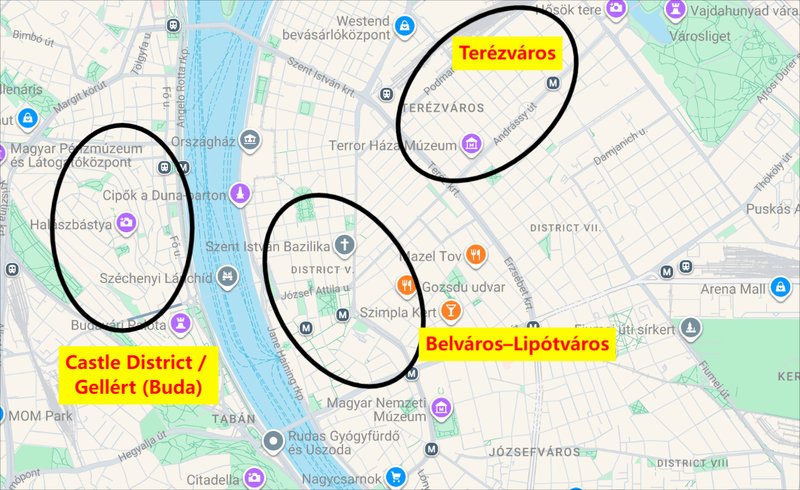
Best Areas for First-Time Visitors
If it’s your first trip to Budapest, these neighborhoods are the most practical and comfortable:
- Belváros–Lipótváros (District V): The absolute heart of Budapest. Close to the Parliament, St. Stephen’s Basilica, the Danube riverfront, and many major attractions.
- Terézváros (District VI): A central but calmer area around Andrássy Avenue and the Opera House.
- Castle District & Gellért (Buda side): Perfect for visitors who want quieter surroundings and stunning views.
Safe and Central Neighborhoods
Budapest is a generally safe city, and tourist-friendly areas are well-lit and lively at night.
- District V & VI are the safest and most convenient for walking.
- District VII (Jewish Quarter) is fun and vibrant but can be noisy late at night — great for nightlife, less ideal for light sleepers.
Average Accommodation Prices
Budapest offers excellent value compared to other European capitals:
- Budget: €30–60 per night
- Mid-range: €80–130 per night
- Boutique / Luxury: €180–300+ per night
Booking early can secure excellent deals, especially in District V and VI.
Hotel Recommendations
Below are curated hotel suggestions in the best neighborhoods for first-time visitors. Each area includes a budget, mid-range, and boutique/luxury pick.
1) Belváros–Lipótváros (District V – The City Center)
Ideal for: first-time visitors, those who prefer exploring on foot, and anyone wanting to stay close to major sights.
- Budget-Friendly:
Avenue Hostel
– Simple, clean, and well-located.
– Great for short trips and groups.
- Mid-Range:
Hotel Rum Budapest
– Stylish interiors, great breakfast, and top location.
– Excellent value for money.
- Boutique / Luxury:
Aria Hotel Budapest
– One of Budapest’s most famous luxury hotels.
– Music-themed rooms, rooftop terrace, and spa.
2) Terézváros (District VI – Andrássy Avenue & Opera Area)
Ideal for: travellers who want a central yet calmer area with easy metro access.
- Budget-Friendly:
Baroque Hostel
– Colorful, affordable, close to City Park.
– A solid option for budget travellers.
- Mid-Range:
Hotel Moments Budapest
– Beautiful design, spacious rooms, and perfect location.
– One of the best mid-range choices in the area.
- Boutique / Luxury:
K+K Hotel Opera
– Steps from the Opera House.
– Quiet, comfortable, and high service quality.
3) Castle District & Gellért (Buda – Peaceful & Scenic)
Ideal for: travelers who prefer quiet streets, views, and a more relaxed stay.
- Budget-Friendly:
Hotel Bara
– Basic, clean, and affordable.
– Convenient access to public transport.
- Mid-Range:
Hotel Castle Garden
– Close to Buda Castle and extremely quiet.
– Clean, comfortable, and good value.
- Boutique / Luxury:
Hilton Budapest
– Right next to Fisherman’s Bastion.
– Incredible views and top-tier comfort.
- How to Get from the Airport to the City Center
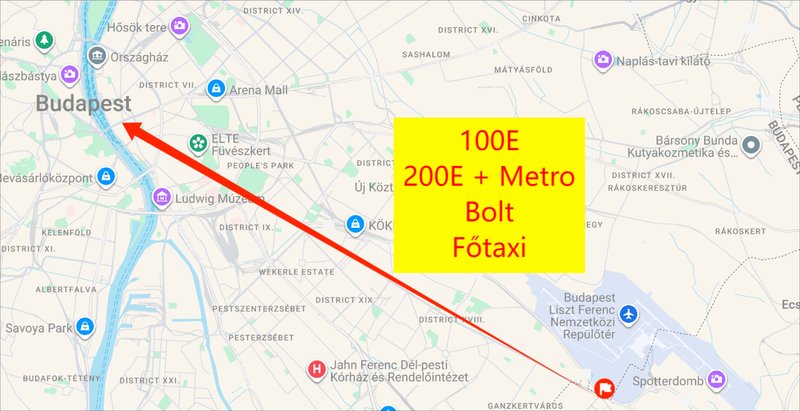
Budapest Ferenc Liszt International Airport is well-connected to the city, making the arrival experience smooth even for first-time visitors. Whether you prefer public transport, a fast connection, or a late-night option, getting to the center is simple and budget-friendly.
100E and 200E Bus Lines
100E Airport Express
- The most popular and convenient option.
- Direct connection to Deák Ferenc tér in the city center.
- Travel time: 35–40 minutes
- Affordable and frequent throughout the day.
- No need to transfer — perfect for travelers with luggage.
200E Bus
- The most budget-friendly choice.
- Runs to Kőbánya–Kispest metro station, where you can transfer to the M3 metro line.
- Travel time: 45–60 minutes (including metro connection).
- Ideal for travelers looking to save money without sacrificing convenience.
Bolt and Főtaxi Options
Bolt
- Widely used and reliable across Budapest.
- Usually cheaper than traditional taxis.
- Reaches the city center in about 20–30 minutes depending on traffic.
- Pick-up zones are clearly marked at the airport.
Főtaxi (Official Airport Taxi)
- The airport’s official taxi partner.
- Transparent pricing with a meter.
- Safe and consistent service.
- Typical fare to city center: €25–32
Great option for groups of 2–3 people.
Fastest vs Most Budget-Friendly Route
- Fastest: Bolt or Főtaxi
- Most Budget-Friendly: 200E + M3 metro
- Best Balance: 100E — fast, cheap, and direct
Late-Night Transportation
Even if your flight arrives late, you can reach the city center comfortably:
- 100E runs until late hours.
- Bolt and taxis operate 24/7.
- Main tourist areas remain safe and accessible at night.
- Getting Around the City: Metro, Tram & Walking
Budapest is one of the easiest European cities to navigate. With a compact layout, efficient public transportation, and beautiful walkable streets, exploring the city often requires less planning than you'd expect. In fact, many visitors discover that walking is the most enjoyable way to get around.
Short-Term Ticket Options (24–72 Hour Passes)
If you plan to use public transportation frequently, Budapest offers several convenient passes:
- 24-Hour Travel Card Unlimited travel on all public transport lines for one day.
- 48-Hour Travel Card Ideal for weekend trips and busier itineraries.
- 72-Hour Travel Card Best value for travelers spending 3–4 days in the city.
All cards cover metro, tram, bus, and select suburban train lines — perfect for seamless movement across both Buda and Pest.
Advantages of Tram Lines
Budapest’s tram network is not only efficient but also scenic:
- Tram Line 2 runs along the Danube and is often called “one of Europe’s most beautiful tram routes.”
- Trams reach many central attractions quickly.
- They are more pleasant than the metro during busy hours.
Trams are especially convenient for short distances or sightseeing rides along the river.
Why Walking Works So Well in Budapest
Walking is genuinely one of the best ways to discover the city:
- Most key attractions in Pest are within 10–20 minutes of each other.
- Wide boulevards, river paths, and historic streets make walking enjoyable.
- You can easily explore cafés, shops, and viewpoints along the way.
- The city is flat, comfortable, and safe for pedestrians.
During our own trip, we used public transport mainly to go from our accommodation to a central point — and walked everywhere else.
Minimal Need for Public Transport
Budapest’s layout makes it incredibly easy to explore without relying heavily on transport:
- Tourist hotspots are naturally connected.
- Neighborhoods flow into each other without long distances.
- Even late at night, central areas remain lively and walkable.
Public transport is excellent, but walking often gives you the best version of the city.
- Food Culture in Budapest
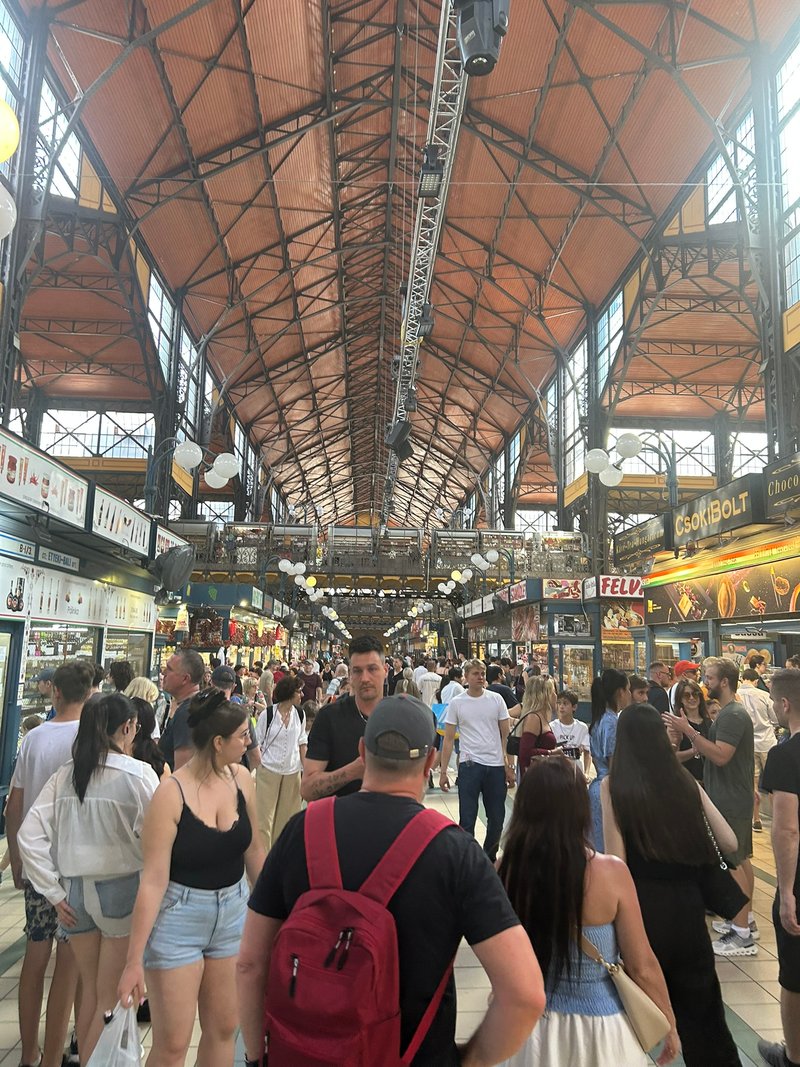
Hungarian cuisine is rich, comforting, and full of flavor — with paprika at the heart of nearly every dish. Budapest offers a wonderful mix of traditional Hungarian food, modern interpretations, street snacks, and indulgent desserts. Whether you’re into hearty stews or quick street bites, the city has something for everyone.
Must-Try Hungarian Dishes
Here are some essential dishes you shouldn't miss:
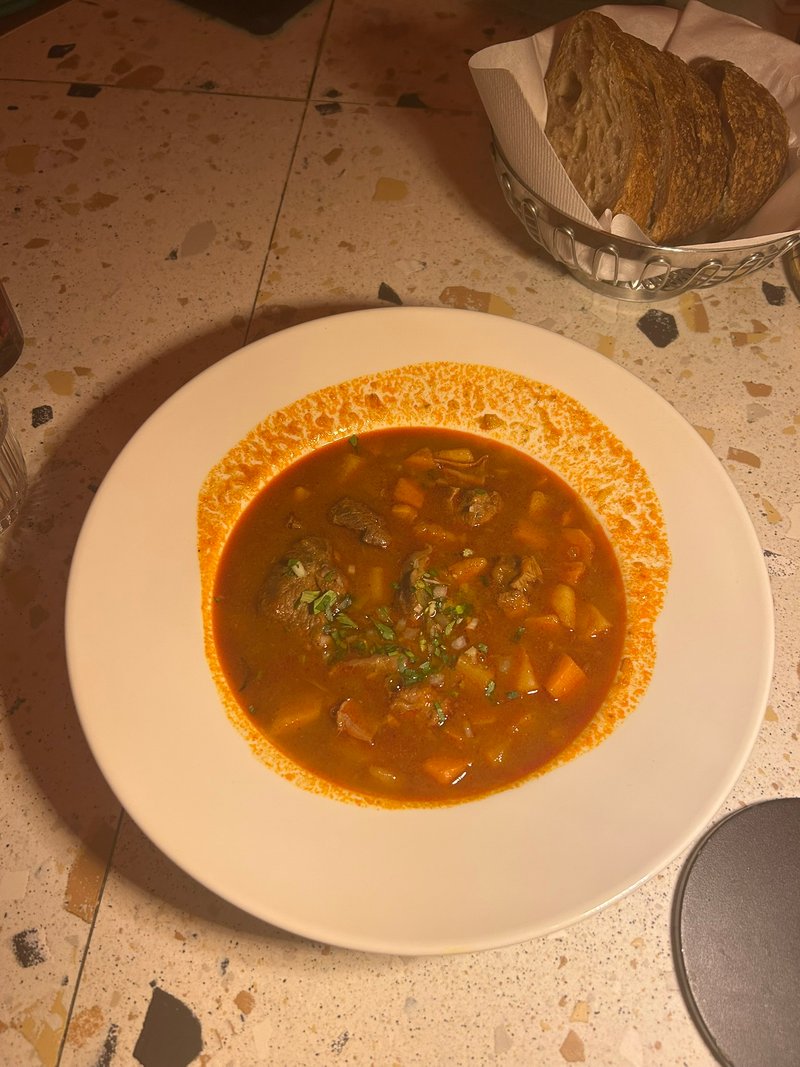
- Goulash (Gulyás): A hearty soup-like stew made with beef, vegetables, and plenty of paprika. A true symbol of Hungarian cuisine.
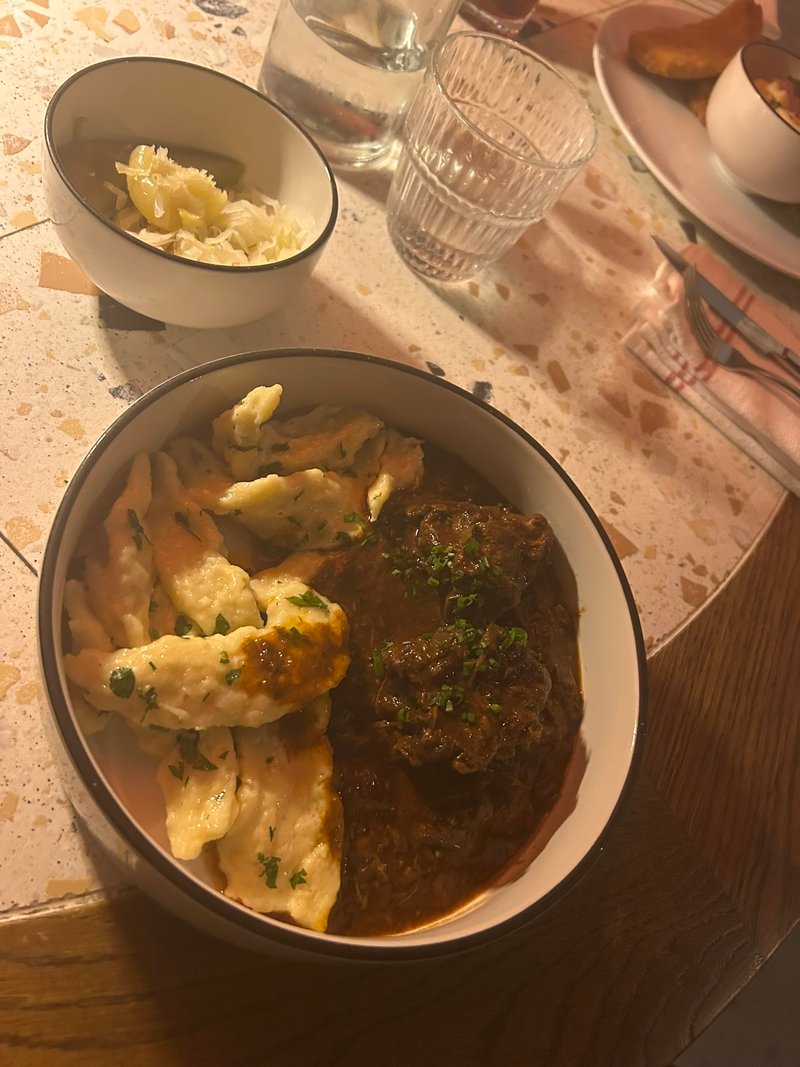
- Pörkölt: Similar to goulash but thicker and richer — usually served with nokedli (Hungarian dumplings).
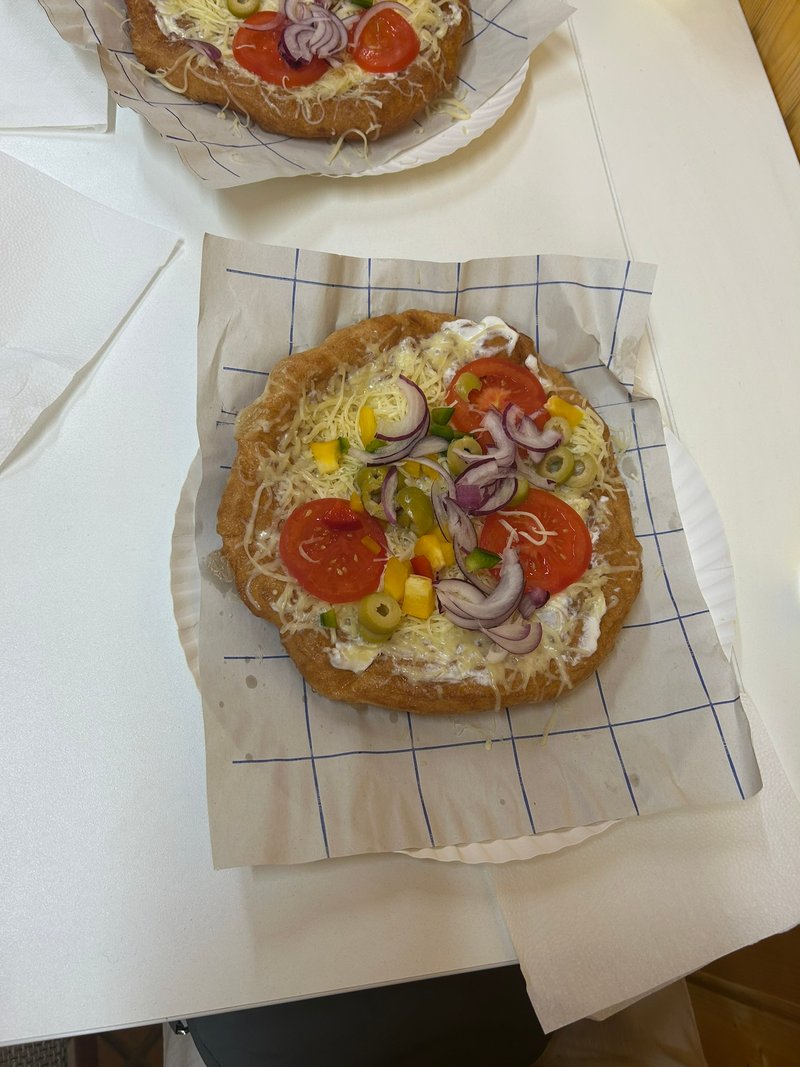
- Lángos: Deep-fried dough topped with garlic, cheese, or sour cream. The king of Hungarian street food.
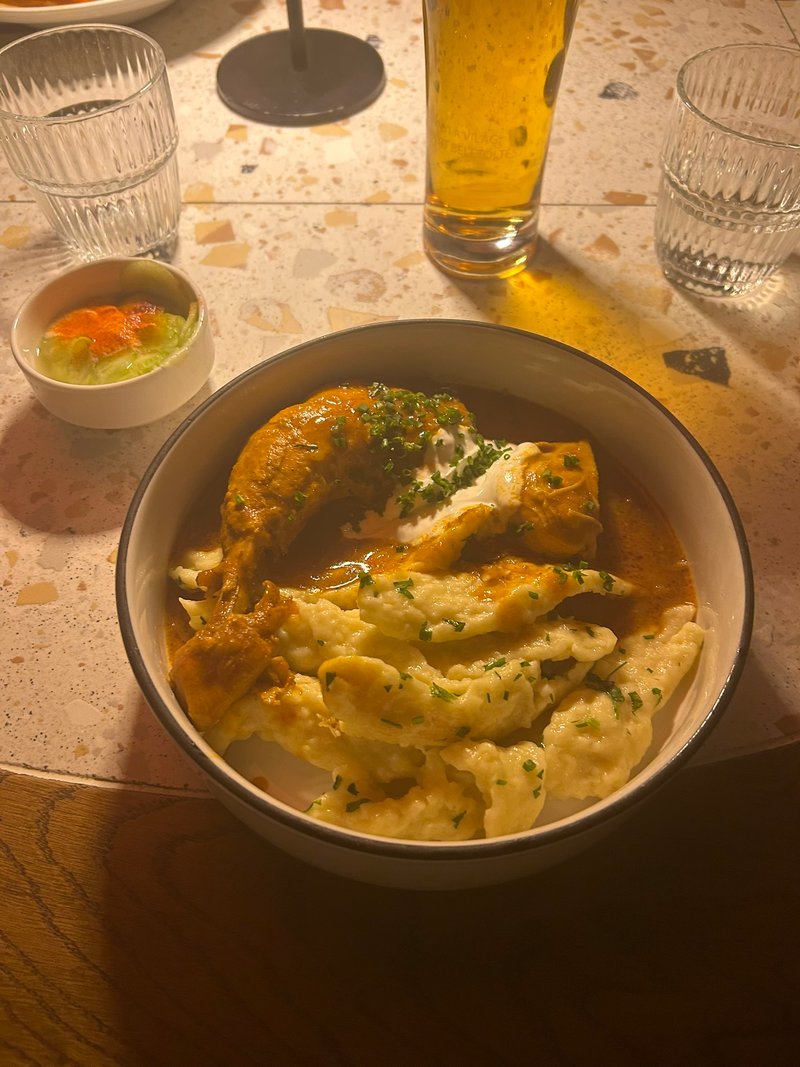
- Paprikás Csirke (Chicken Paprikash): Creamy, comforting, and intensely flavorful.
- Töltött Káposzta (Stuffed Cabbage): A more tangy, paprika-forward version compared to other European variations.
Street Food & Desserts
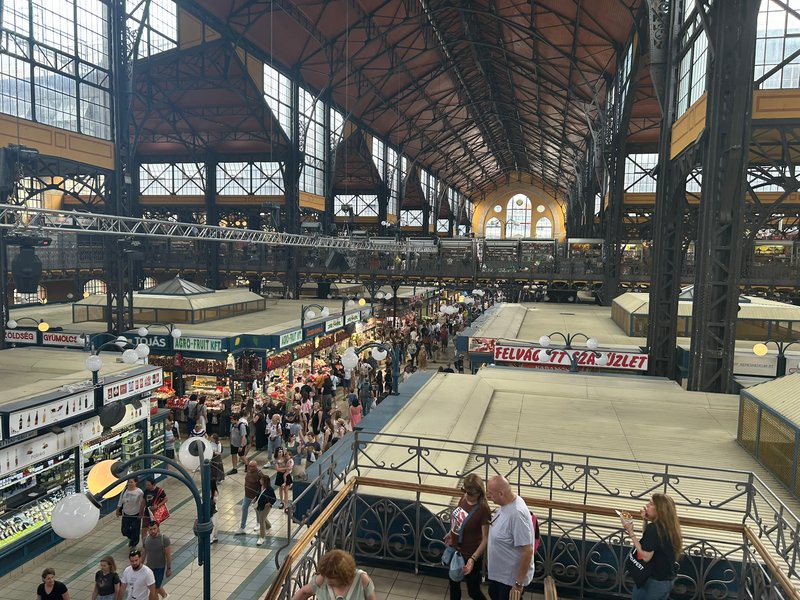
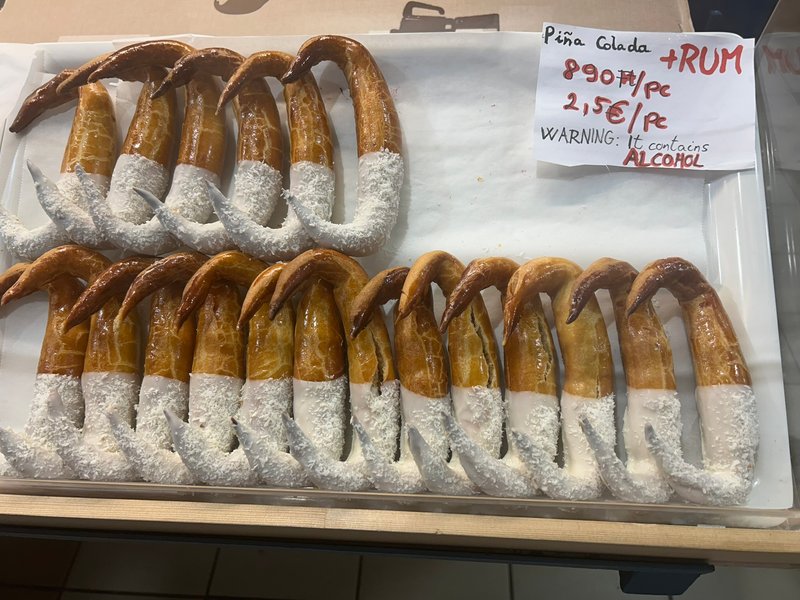
Hungary takes desserts seriously, and Budapest is full of sweet treats:
- Kürtőskalács (Chimney Cake): Rolled, sweet dough baked over coals — available in vanilla, cinnamon, cocoa and more.
- Dobos Torte: A multi-layer sponge cake topped with a caramel crust.
- Rétes (Hungarian Strudel): Often filled with apple, cherry, or poppy seeds.
Sweet lovers will feel right at home in Budapest.
Average Meal Prices
Budapest is still reasonably priced compared to many European cities:
- Breakfast / Brunch: €8–14
- Lunch: €10–16
- Dinner: €15–25
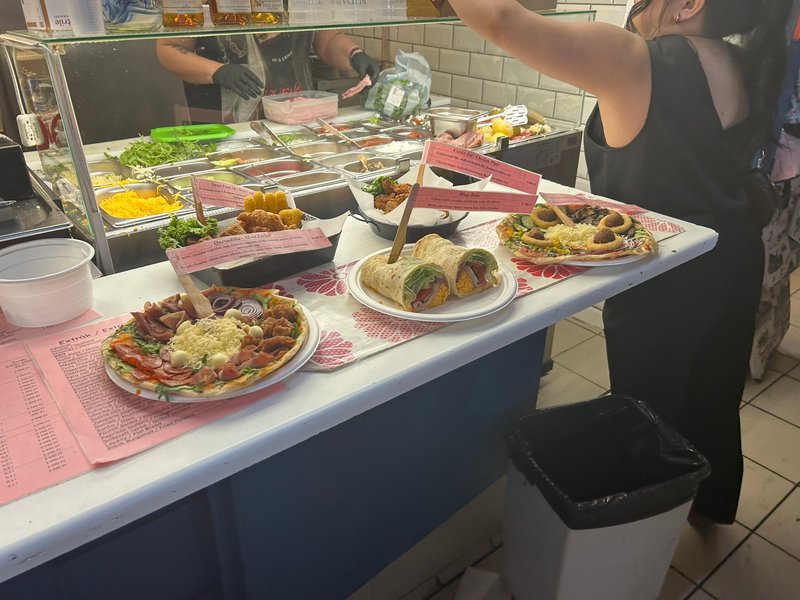
- Street Food (Lángos, Chimney Cake): €3–6
Touristy areas may be slightly more expensive, but overall the city remains budget-friendly.
Restaurant Culture & Reservation Notes
- Service quality is generally good and consistent.
- Popular restaurants can get busy, especially in the evening — reservations are recommended.
- Street food is widely available for spontaneous eating.
- Tipping is customary (usually 10–12%).
- Restaurant, Café & Bar Recommendations
Budapest’s food and drink scene is diverse, lively, and full of personality. From budget-friendly meals to specialty coffee shops and the city’s iconic ruin bars, there’s something for every taste and travel style. Below are some curated recommendations to help you enjoy the best of Budapest.
Budget-Friendly Dining Spots
- Karaván Street Food Court A local favorite with stalls serving lángos, burgers, grilled dishes, and Hungarian comfort food. Affordable, quick, and perfect for casual meals.
- Drum Café A great place to try traditional Hungarian dishes at very reasonable prices. Ideal for lunch or early dinner.
- Retro Lángos One of the best spots to try classic Hungarian lángos. Crispy, fresh, and delicious every time.
Brunch & Coffee Breaks
- New York Café Known as “the most beautiful café in the world,” this iconic spot offers a luxurious, historic atmosphere. Very touristy but worth experiencing at least once.
- Fekete Minimalist, cozy, and popular for third-wave coffee lovers. Excellent breakfast plates and high-quality brews.
- Szimply One of Budapest’s trendiest brunch cafés. Colorful plates, healthy options, and creative presentation.
Ruin Bar Culture & Popular Venues
Budapest’s famous ruin bars offer a unique nightlife experience — abandoned buildings transformed into vibrant, artsy, eclectic hangouts.
- Szimpla Kert The original ruin bar and still the most iconic. Expect eclectic décor, quirky rooms, and a lively crowd.
- Instant-Fogas Complex A massive nightlife hub with multiple rooms, dance floors, and music styles. Perfect for party lovers.
- Mazel Tov A stylish take on the ruin bar concept. Bright interior, Mediterranean food, and great cocktails. A beautiful place for evening drinks or dinner.
- Budget Guide: Is Budapest Expensive or Affordable?
Compared to many major European cities, Budapest remains affordable and great value for travelers. Food, transport, and accommodation costs are generally lower than in Vienna, Prague, or Western Europe, making it an excellent destination for both budget and mid-range trips.
Average Daily Expenses
Depending on your travel style, here’s what you can expect to spend per day:
- Budget Traveler: €35–50
- Mid-Range Traveler: €60–90
- Comfort-Oriented Traveler: €100–150
These estimates include meals, transportation, coffee breaks, and a couple of attractions.
Transportation Costs
Budapest's public transport is inexpensive and efficient:
- Single Ticket: ~€1.2–1.5
- 24-Hour Pass: ~€6–7
- 72-Hour Pass: ~€15–18
- Airport Bus (100E): Low and fixed price
Because the city is highly walkable, many travelers find they only use public transport a few times during their stay.
Museum & Attraction Ticket Prices
Budapest’s cultural sites are also reasonably priced:
- Thermal Baths (Széchenyi, Gellért): €22–30
- Buda Castle Grounds: Free (castle interior ticketed)
- Fisherman’s Bastion: Mostly free; small fee for upper towers
- Parliament Tour: €20–28
- Museums: Typically €6–12
Thermal baths are slightly pricier than other attractions but remain one of the city’s signature experiences.
Price Comparison with Other Central European Cities
Here’s a quick comparison to help set expectations:
- Vienna: Significantly more expensive
- Prague: Slightly more expensive
- Krakow: Similar price range
- Bratislava: Similar or slightly cheaper
- Budapest: Affordable to mid-range, with very good value for money
Budapest strikes one of the best balances between price and quality in the region.
- Language, Currency & Safety
Budapest is an easy and welcoming city for travelers, even if you don’t speak the local language. With widespread English usage, a tourist-friendly environment, and a straightforward currency system, most visitors feel comfortable from the moment they arrive. Here are the essentials you should know.
Is Hungarian Difficult to Handle?
Hungarian is one of the most unique and complex languages in Europe — and to most visitors, it sounds completely unfamiliar.
The good news?
You don’t need to know Hungarian to travel comfortably.
- English is widely spoken in tourist areas.
- Restaurant menus almost always have English versions.
- Metro and tram signs are clear and easy to understand.
- Ticket machines and most shops offer English-language options.
You may hear Hungarian everywhere, but you’ll get by just fine with basic English.
How Far Can You Go with English?
Short answer: very far.
Especially in Pest (the central, lively side):
- Younger people speak English very well.
- Hospitality staff (cafés, bars, hotels) communicate easily in English.
- Even taxi drivers and shop employees often speak basic English.
You’ll rarely experience communication problems in Budapest.
HUF (Forint), Card vs Cash
Hungary uses the HUF (Hungarian
Forint) — euros are not accepted in most
places.
But managing money in
Budapest is simple:
- Card payments are accepted almost everywhere (Visa, Mastercard, contactless).
- It’s smart to carry a small amount of cash for markets, small bakeries, or lockers at thermal baths.
- Avoid exchanging money in overly touristic areas.
- ATMs usually offer better rates than exchange offices.
A card-first approach is the easiest and safest option.
Safety Tips for Tourists
Budapest is generally very safe, even at night.
- District V and VI are well-lit and comfortable to walk around.
- District VII (Jewish Quarter) is lively and crowded due to nightlife — great atmosphere, but noisier.
- Pickpocketing is rare but stay cautious in packed trams or very touristy areas.
- Walking at night in central neighborhoods is considered safe and common among locals.
Most travelers find Budapest calm, organized, and easy to navigate.
- Useful Tips Before Visiting Budapest
Budapest is an easy city to explore, but a few practical tips can make your trip even smoother. Whether you're planning to enjoy the city’s world-famous thermal baths or navigating busy tourist zones, these insights will help you avoid common mistakes and enhance your overall experience.
What to Bring for Thermal Baths
Thermal baths are a must-do in Budapest, but going prepared makes a big difference:
- Towel (rentals are available but often overpriced)
- Flip-flops (required in most areas)
- Swimsuit
- Swim cap (mandatory in some swimming pools)
- Small coins or a deposit for lockers/cabins
Popular baths like Széchenyi and Gellért get crowded — visiting early in the morning offers a more relaxing experience.
Avoiding the Busiest Areas
Certain areas tend to get extremely busy depending on the time of day:
- Parliament & Danube Promenade: Very crowded at sunset
- Fisherman’s Bastion: Gets busy after 9 AM
- Széchenyi Baths: Peak hours are afternoon
- Szimpla Kert: Expect long lines after 10 PM
If you enjoy photography or quiet exploring, head out early — mornings are beautiful and peaceful in Budapest.
Weekday vs Weekend Differences
- Weekdays:
Museums, baths, and central areas are calmer with shorter lines. - Weekends:
Nightlife, ruin bars, and main tourist streets become significantly busier.
For short trips, Thursday to Saturday offers the liveliest atmosphere.
Seasonal Weather & Clothing Suggestions
Budapest experiences four distinct seasons, so packing right is important:
- Summer (27–32°C): Warm but evenings can be breezy — bring a light layer.
- Winter (0–5°C): Cold and often windy — gloves and scarf are essential.
- Spring / Autumn: Variable weather with occasional rain — pack layers.
Since you’ll likely walk a lot, comfortable shoes are a must.
- Tourist Traps to Avoid
Budapest is generally a safe and traveler-friendly city, but like all major tourist destinations, it has a few areas where prices spike, services become questionable, or crowds make the experience less enjoyable. Knowing what to avoid will help you save money, time, and unnecessary stress.
Overpriced Restaurant Zones
Some areas tend to charge significantly more just because they’re tourist hotspots:
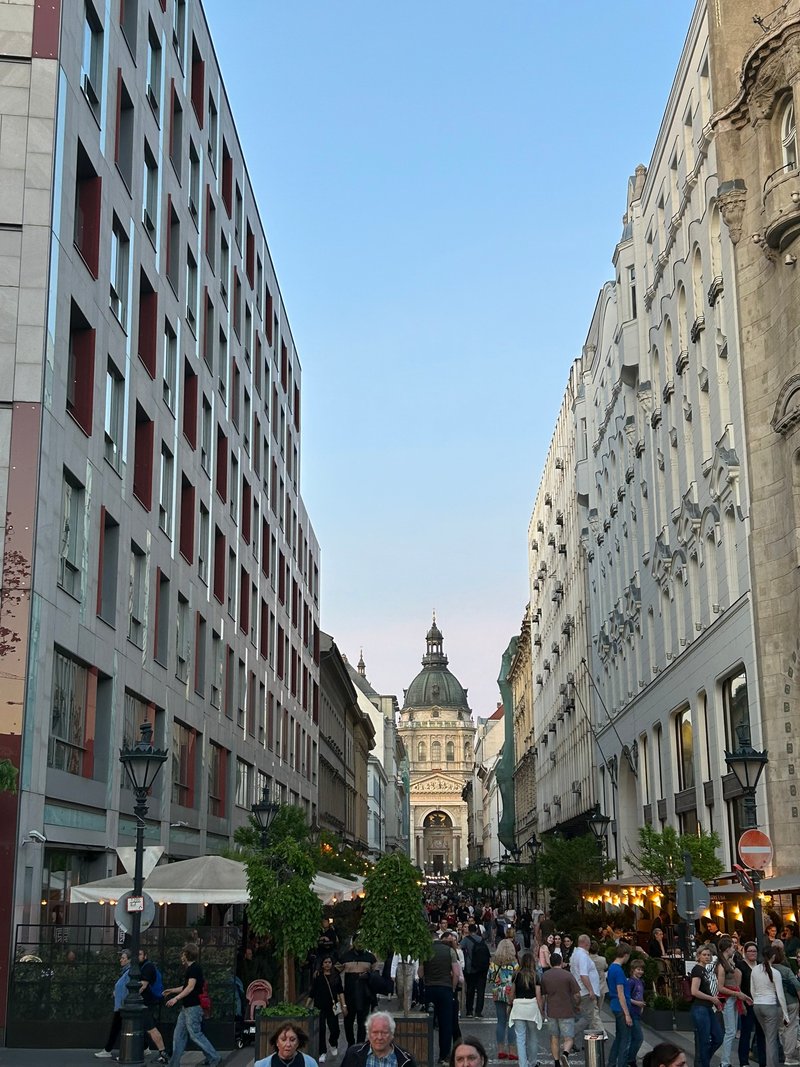
- Váci Street (Váci Utca): Beautiful but heavily tourist-oriented — menu prices are often inflated.
- Basilica Area (St. Stephen’s Basilica): Restaurants with prime views can be much pricier than average.
- Danube Riverfront Restaurants: Scenic views often mean higher prices, especially at sunset.
A good rule: walk one or two streets away from the main sights — you’ll find better prices and more authentic food.
Taxi Issues to Watch Out For
Taxis in Budapest are mostly reliable, but there are still a few things to keep in mind:
- Avoid hailing random taxis from the street — use Bolt or Főtaxi instead.
- Do not accept “fixed price” offers from drivers; always insist on the meter.
- Taxis waiting outside nightclubs or bars may overcharge.
- Check that the taxi is officially licensed (label + meter).
Overall, Bolt is the easiest, safest, and most transparent option.
Exchange Offices to Avoid
Currency exchange is where most travelers unknowingly lose money:
- Avoid exchange offices on Váci Street and near the Chain Bridge — rates are often poor.
- Always compare buy/sell rates before handing over cash.
- Ask about hidden commission fees.
- Withdrawing from an ATM usually gives a better exchange rate.
Since card payments are accepted almost everywhere, you rarely need large amounts of cash.
Common Price Traps in Crowded Areas
Some places can take advantage of tourists who are in a rush or not paying attention:
- Thermal Baths: Upselling “VIP,” “fast-track,” or “private cabin” options you may not need.
- Ruin Bars: Drink prices can increase during special events.
- Danube River Cruises: Huge price differences between operators — always compare before booking.
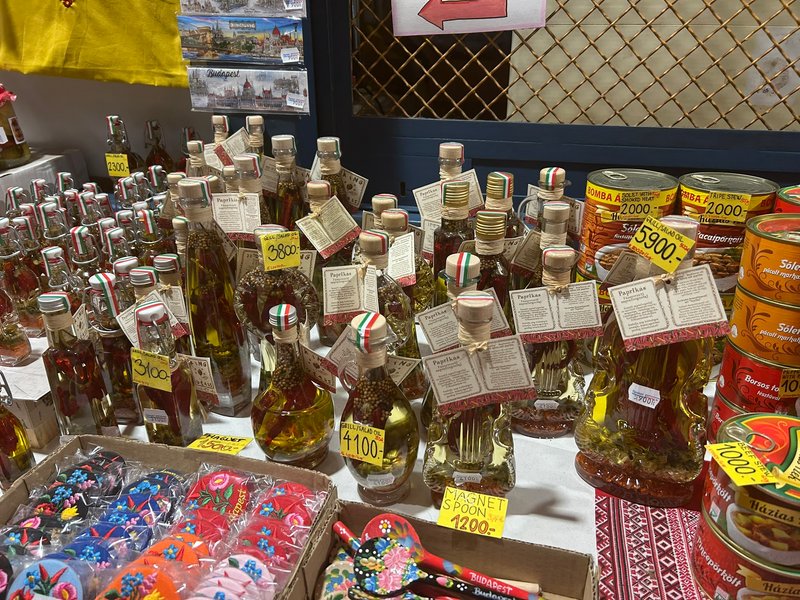
- Busy souvenir markets: Items can be marked up significantly.
When in doubt, don’t rush — checking prices beforehand goes a long way in Budapest.
- Final Thoughts: Making Your Budapest Trip Easier
Budapest is one of those cities that simply works for travelers — practical, affordable, and full of character. With walkable streets, reliable public transportation, delicious food, and a wide range of accommodation options, it’s a destination where planning becomes easy and exploring becomes effortless.
To make the most of your trip, keep these final tips in mind:
- Walk as much as you can; Pest is especially perfect for exploring on foot.
- Visit thermal baths early to avoid crowds and enjoy a more relaxing experience.
- Try at least one ruin bar, as they’re a unique part of the city’s culture.
- Use card payments whenever possible; there’s little need to exchange large amounts of cash.
- Compare prices in tourist-heavy areas before committing.
Overall, Budapest offers a smooth, enjoyable travel experience for both first-time visitors and returning travelers. With the insights in this guide, you’ll be able to plan confidently, move around easily, and enjoy the city at its best.


