

Eating in Tokyo: Perfect Technique, Distant Experience | Wanderoria
What is eating in Tokyo really like? From ramen and sushi to omakase and street food, an honest look at Tokyo’s technically perfect but emotionally distant food culture.
Eating in Tokyo: Perfect Technique, Distant Experience
What Does Eating in Tokyo Really Mean?
(An experience, or a perfectly executed routine?)
Tokyo is often introduced through its food. For many travelers, the city represents the peak of culinary culture: endless options, flawless technique, and an almost mythical level of quality. And in many ways, this reputation is deserved. It is genuinely difficult to eat badly in Tokyo.
But this is exactly where the real story begins.
Eating in Tokyo is rarely about indulgence or emotional connection. It feels closer to a system that runs flawlessly. No one tries to impress you. No one asks for feedback. What arrives on the table is simply correct. Precise. Finished.
At first, this creates admiration. Over time, it creates distance.
Meals here are quiet, efficient, and deliberate. Flavor does not perform; it proves itself. Tokyo’s food culture is built on consistency rather than surprise, and on discipline rather than warmth. That balance is what makes it extraordinary — and, for some, hard to connect with.
Food Prepared in Front of You:
Not a Show, but an Execution
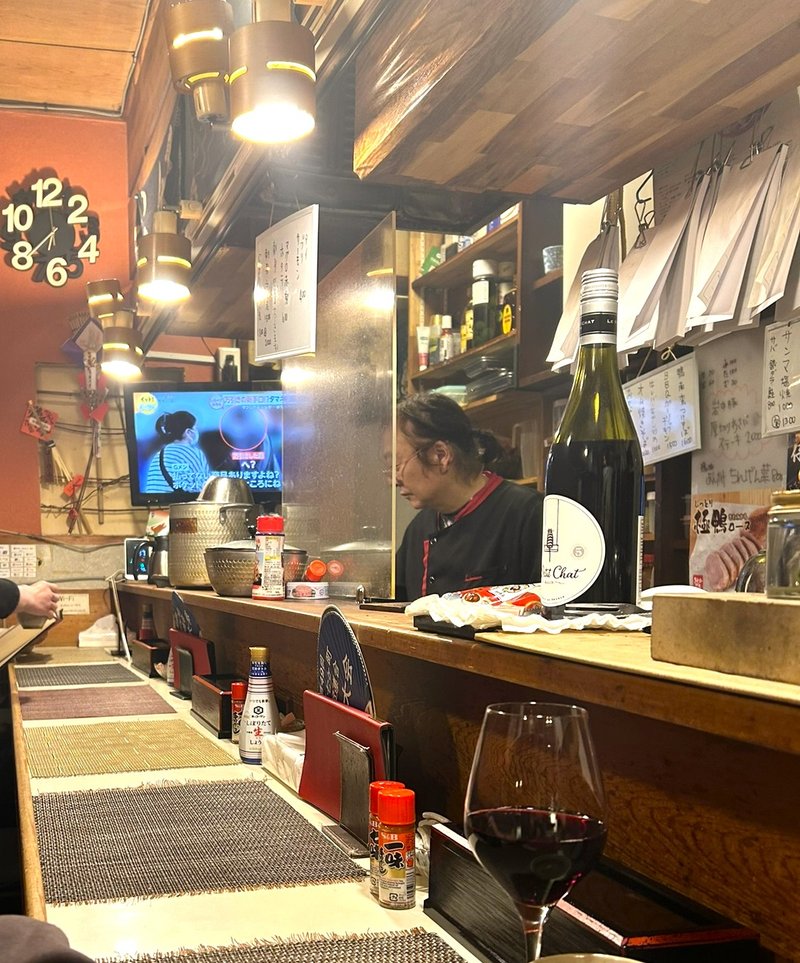
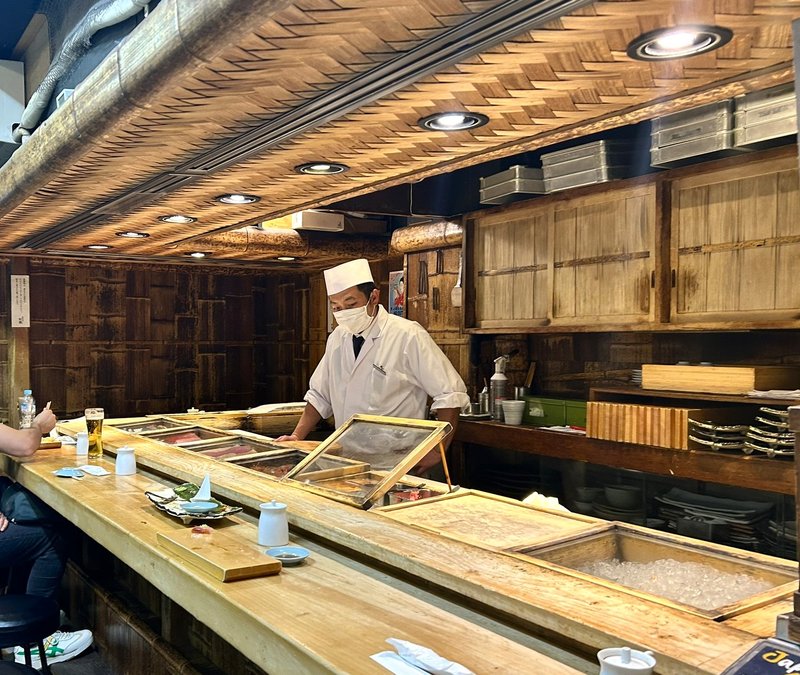
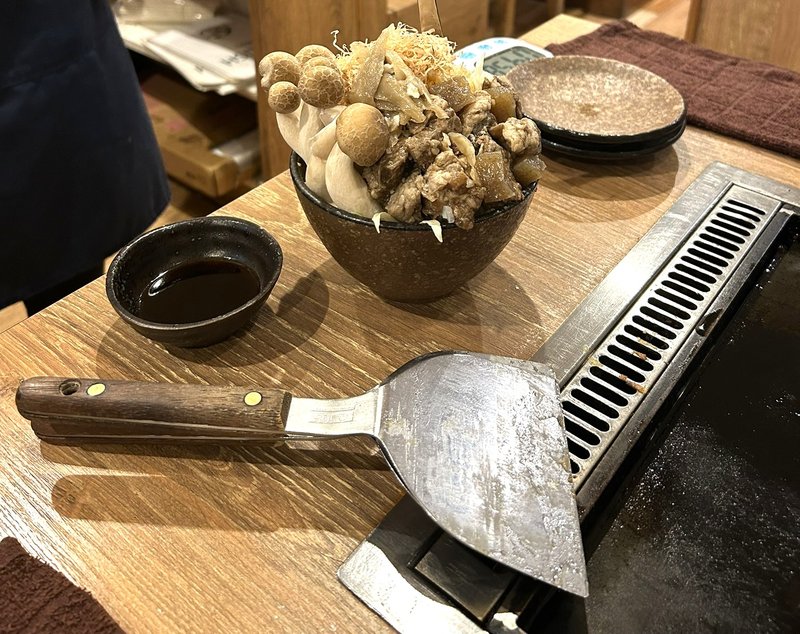
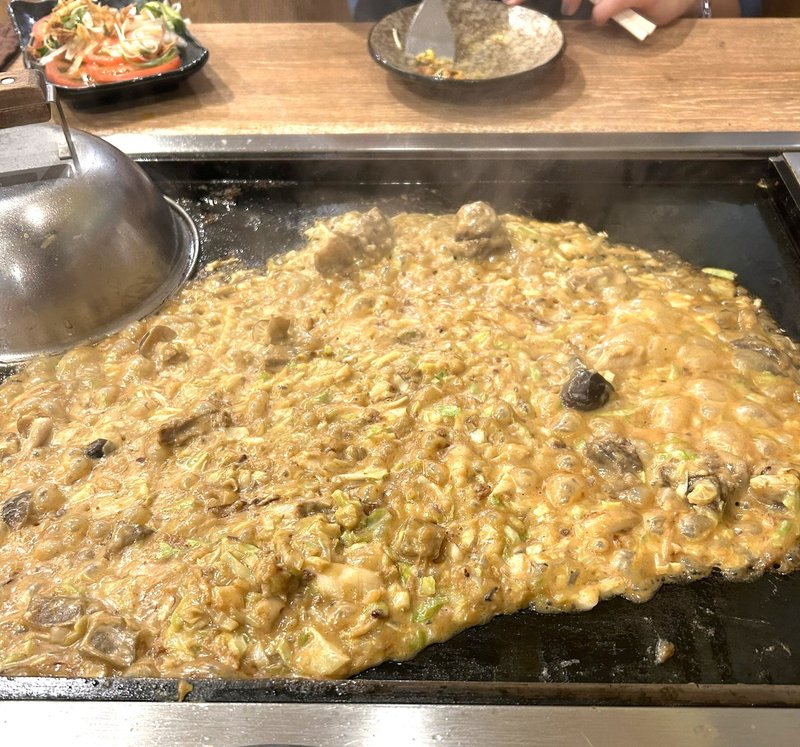
One of the most striking aspects of eating in Tokyo is how often food is prepared directly in front of you. From ramen counters to sushi bars, from small donburi shops to tempura stations, the open kitchen is the norm.
But this is not theatre.
The chef does not talk, explain, or entertain. Movements are controlled, minimal, and fast. You are allowed to watch, but not to interrupt. The focus is absolute — not on the guest, but on the ingredient.
This can feel unfamiliar at first. In many cultures, food prepared in front of you implies interaction and intimacy. In Tokyo, it implies responsibility. The chef is there to do the job correctly, not personally.
What you begin to understand is this:
The dish is not being made for you — it is being made properly.
And that distinction shapes the entire dining experience.
What Do You Actually Eat in Tokyo?
The Backbone of Everyday Food
To understand Tokyo’s food culture, you have to look beyond high-end restaurants and focus on everyday meals. The city’s strength does not lie in luxury; it lies in how good the ordinary is.
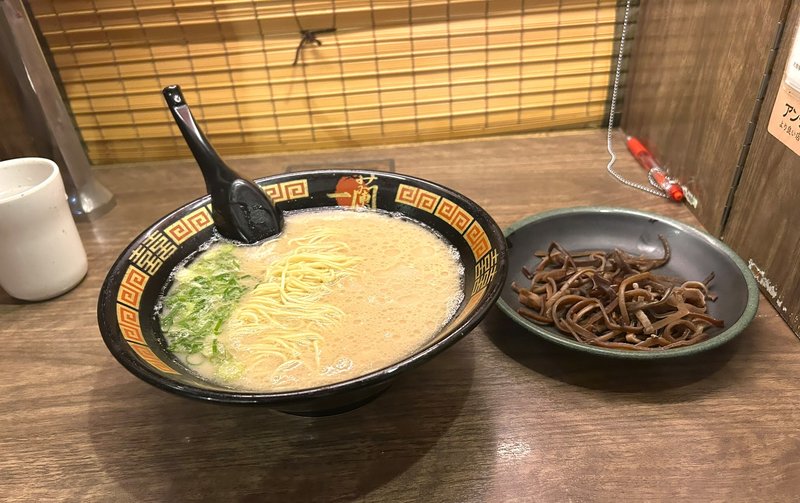
Ramen is the clearest example. Many shops serve only one or two variations. Some offer just a single bowl. But that bowl has been refined over years, sometimes decades. The broth density, noodle texture, and meat preparation are tightly controlled. The first bowl impresses you. The second confirms it. The third feels familiar — still excellent, but no longer surprising.
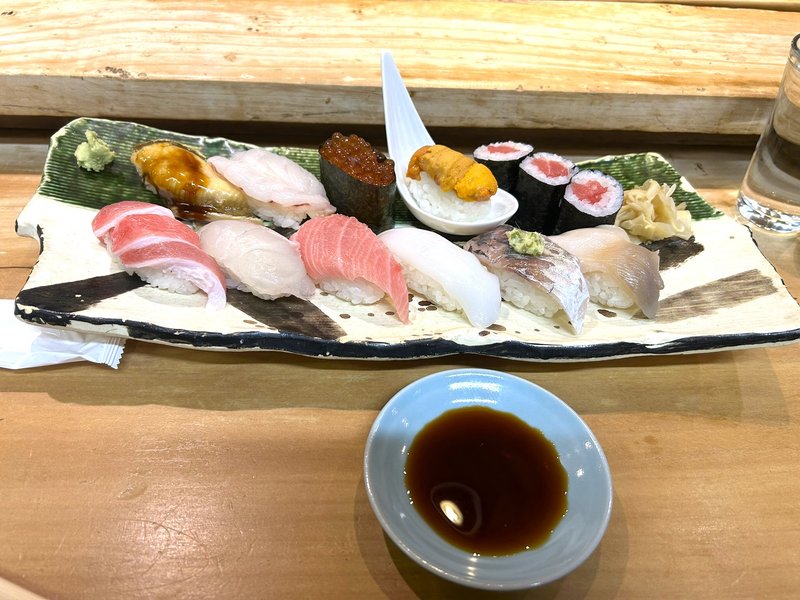
Sushi and sashimi are not reserved for special occasions. Fresh fish appears everywhere: small local eateries, train stations, even convenience stores. Presentation is restrained. Flavors are clean. Portions are precise. Sauces never dominate. The product speaks for itself.
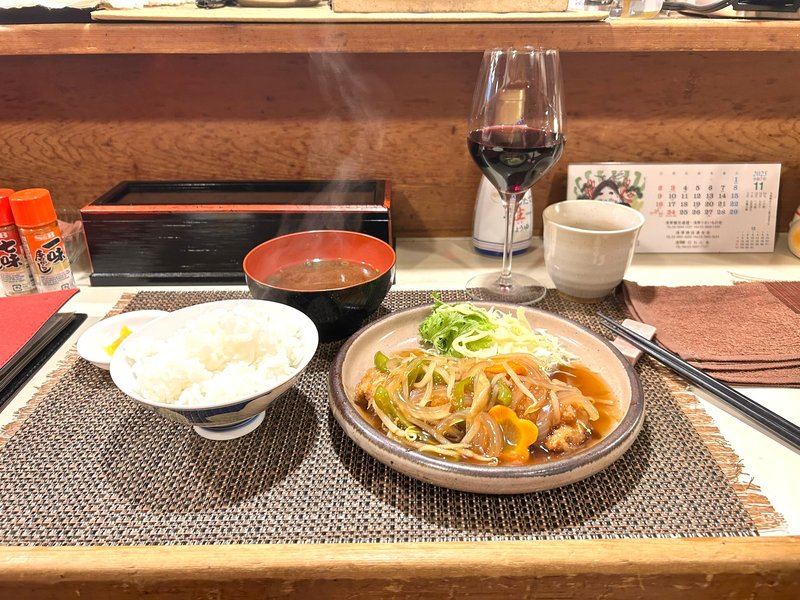
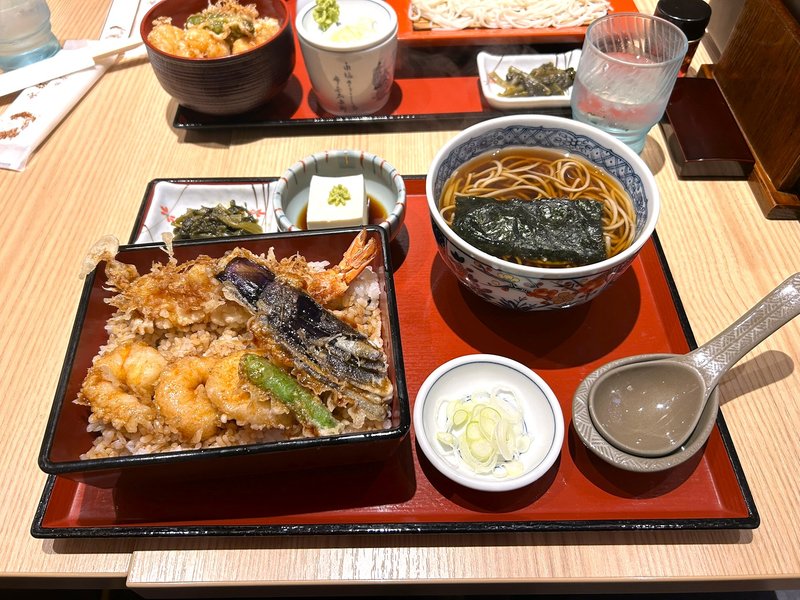
Donburi, set meals, tempura, and yakitori form the real daily diet of the city. These are not “destination meals.” They are functional, efficient, and deeply integrated into the rhythm of the day. You eat, you leave, and the system continues.
In Tokyo, food is not meant to pause your day.
It is designed to fit perfectly into it.
Ramen, Sushi, and Everything Else:
Depth Over Variety
Tokyo has endless places to eat, but what defines its food culture is not variety — it is consistency. You quickly notice that the same dishes appear again and again, prepared in almost identical ways, and nearly always at a very high level.
Ramen is the clearest illustration of this philosophy. Menus are often extremely short. Some shops serve only a single style of ramen. But that one bowl has been perfected through repetition. Broth intensity, noodle firmness, and meat texture are calibrated with precision. The first bowl feels impressive. The second feels reassuring. By the third, excellence becomes familiar.
Sushi and sashimi follow the same logic. Fish quality is consistently high. Cuts are clean. Rice ratios are stable. There is little room for improvisation. This reliability is a sign of mastery — but it also limits emotional surprise. Everything tastes exactly as it should.
In Tokyo, “very good” quickly becomes the baseline. Once that happens, your expectations rise, and your emotional response softens. You begin to realize that the issue is not quality, but connection.
Freshness Is Not a Preference — It’s an Obsession
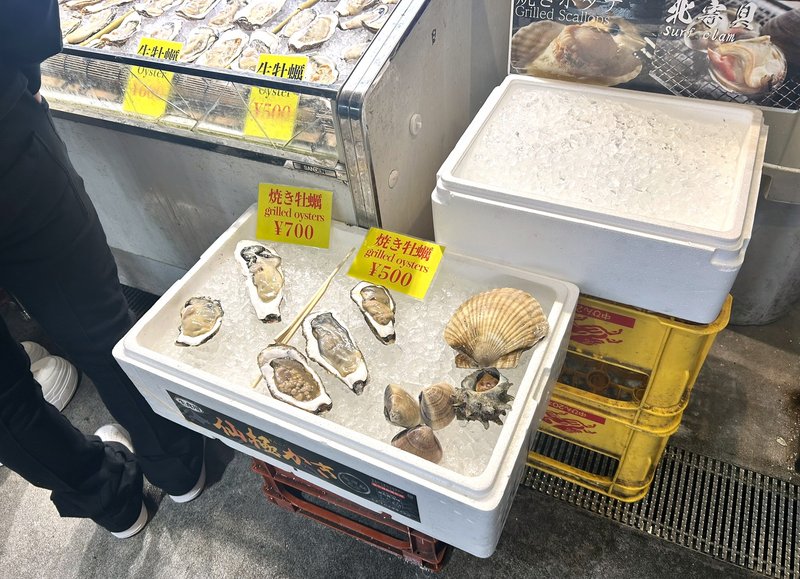
Freshness in Tokyo is non-negotiable. This applies not only to fish, but to meat, vegetables, rice, and even water. Ingredients are selected daily. If something is not at its best, it simply does not appear on the menu.
This obsession explains why menus are often short. Fewer items mean greater control. Control ensures precision. Precision ensures consistency. And consistency is the highest value in Tokyo’s culinary logic.
Sauces are restrained. Seasoning is minimal. Nothing is designed to mask flaws. If the ingredient cannot stand on its own, the dish does not exist.
The result is food that is calm, balanced, and quietly confident. It never overwhelms the palate. But it also rarely shocks it. Tokyo food does not aim to surprise — it aims to prove correctness.
At some point, you start thinking:
Everything is excellent — but nothing is trying to move me.
Omakase: Trusting the Chef Completely
Omakase is one of the most symbolic dining experiences in Tokyo. The word translates loosely to “I’ll leave it to you.” There is no menu. You do not choose. The chef decides what you eat based on what is best that day.
In theory, this sounds deeply personal. In practice, omakase is a chef-centered ritual.
You sit. You watch. You eat. Interaction is minimal. Questions are rare. Requests are discouraged. The chef works in silence, presenting each course with perfect timing and restraint.
The technical quality is undeniable. Every bite is balanced. The sequence makes sense. The pacing is deliberate. But the experience remains distant. You are not collaborating — you are witnessing.
Omakase often leaves you with a clear thought:
I couldn’t have had this anywhere else.
But rarely with:
I want to share this moment with someone.
Street Food in Tokyo:
Minimal, Quiet, and Cultural
Tokyo often gets grouped with other Asian cities famous for chaotic street food scenes. Tokyo quietly rejects that image.
Street food here exists, but it is restrained and secondary. There are no endless rows of stalls, no clouds of smoke filling the streets, no crowds eating while walking. Food belongs in designated spaces. Even when eaten standing, it follows a structure.
Small stalls serve very limited menus — one or two items done properly. You eat quickly, close to the counter, and move on. The goal is efficiency, not atmosphere. Street food is not a celebration; it is a practical extension of daily life.
This makes Tokyo’s street food less memorable than in many other Asian cities. But it is also more honest. It reflects the city’s broader mindset: order over spectacle, function over flair.
Silence, Speed, and Distance:
The Unspoken Rules at the Table
One of the most striking aspects of eating in Tokyo is silence. Conversations are minimal. Phones stay off the table. Eating is focused, almost meditative.
Speed is equally important. Service is fast, but never rushed. You are not pushed out, but you are also not encouraged to linger. Long meals, extended conversations, and treating the table as social space are uncommon.
This creates a sense of emotional distance. In many cultures, food is about connection. In Tokyo, it is about respect — for the space, the process, and the people around you.
At some point, this becomes clear:
Eating alone in Tokyo feels natural.
Eating together doesn’t necessarily feel intimate.
Small Details That Matter
Essential Tips for First-Time Visitors
Most challenges visitors face in Tokyo dining are not major obstacles, but small cultural mismatches.
- Reservations: Many excellent places are tiny and fill up quickly, especially in the evening.
- Menus: English menus are not guaranteed. Food displays and photos often help more than words.
- Cash: Cards are still not accepted everywhere. Carrying cash is essential.
- Photos: Some restaurants discourage photography. Signs are subtle but should be respected.
- Tipping: Tipping is not part of the culture and may feel awkward.
Tokyo rewards those who adapt. The more you try to force your own dining habits onto the city, the more distant the experience becomes. Acceptance, not expectation, makes eating here smoother.
Eating in Tokyo:
Perfection Without Attachment
Tokyo leaves you with a clear conclusion once the meals are over: everything works exactly as it should. Nothing feels unfinished, careless, or random. What you eat is precise, refined, and repeatable. And yet, that very perfection can make it difficult to form an emotional attachment.
Tokyo’s food culture does not seek to charm you. It does not invite conversation or shared moments. Instead, it presents mastery — quietly, efficiently, and without explanation. You are shown what is correct, not what is personal.
This is impressive. It is also distant.
You leave many meals thinking, “I would come back here.”
But rarely thinking, “I will remember this moment.”
The food satisfies the mind more than the heart.
Understanding Tokyo Through Food
Why This Article Is Only One Piece
Eating in Tokyo reflects the city’s broader rhythm. It mirrors the way Tokyo appears chaotic at first glance, yet operates on strict internal order. The same balance defines its neighborhoods, transportation, and daily routines.
Food here makes more sense when seen alongside the rest of the city.
The tension between order and overload becomes clearer when paired with a First Impressions of Tokyo: After Kyoto, Is Tokyo Chaos or Order?, where chaos and structure exist simultaneously.
The absence of a single city center explains why food culture changes subtly from one neighborhood to another, something explored in the article about Getting Around Tokyo: Is There a City Center? Area-Based Travel Guide”.
Tokyo’s highly efficient transport system shapes when and where people eat, a connection best understood through the piece on Transportation in Tokyo: Intimidating or Overhyped? A First-Time Visitor’s Guide.
.
And finally, where you choose to stay influences your entire food routine — a theme developed further in the guide to Where to Stay in Tokyo? A First-Timer’s Neighborhood Guide.
Tokyo reveals itself gradually. No single meal, no single restaurant, and no single article captures it fully.
But together, these pieces begin to form a clearer picture.
And perhaps the most honest way to describe eating in Tokyo is this:
You eat extremely well.
But emotional connection takes time.


