

Kyoto Walking Guide
Which areas in Kyoto can be explored on foot, and which require a separate day? A guide based on experience, region by region.
Kyoto Walking Guide
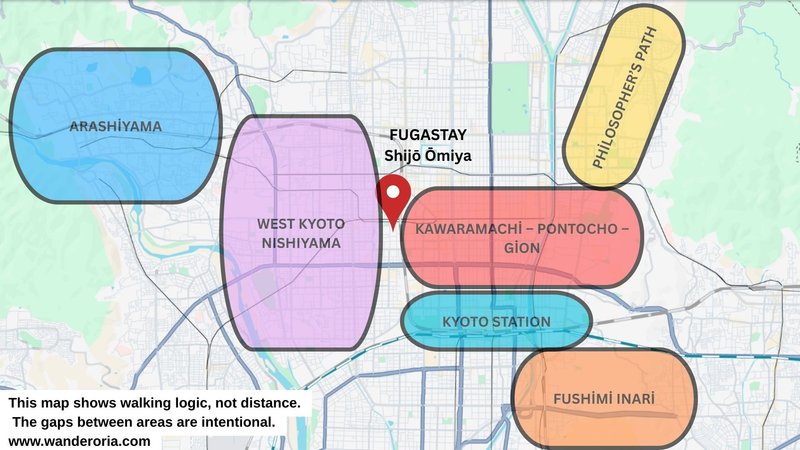
The first thing I realized when I started walking in Kyoto was this:
Yes, this city is walkable — but not in the way we usually mean it.
In most European cities, the logic is simple.
There’s a center. You draw a circle around it. You walk.
Kyoto doesn’t work like that.
Or rather, it looks like it does — until you actually step into it.
Then you understand that Kyoto isn’t one continuous walking city, but a collection of loosely connected walking zones, each with its own rhythm.
That’s why saying “we’ll just walk everywhere today” often ends in exhaustion rather than satisfaction.
The goal of this article is simple:
to clarify which parts of Kyoto truly work on foot,
and which places look walkable on a map but realistically need their own day.
In the first article of the series, Kyoto – First Impressions, I focused on emotions and first contact.
Here, I’m stepping away from feelings and looking instead at distance, ground, and pace.
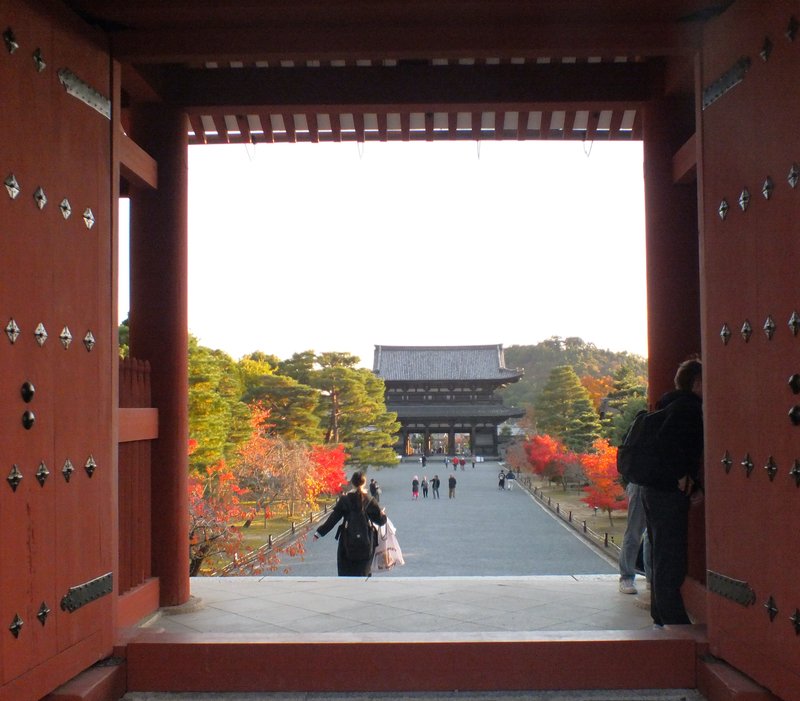
You Can’t Walk Kyoto Without Understanding Its Logic
Walking in Kyoto doesn’t mean constant movement.
If anything, the city forces you to slow down.
There are three main reasons for this:
- Distances between areas are longer than they appear on the map.
Two nearby points may look close, but the space between them isn’t always pleasant — or practical — to walk. - The walking surface constantly changes.
Flat sidewalks, narrow streets, temple paths, gravel, stairs — often all within the same day. - Crowds dictate your rhythm.
In some areas, you don’t choose your pace — the flow chooses it for you.
In others, you want to stop, but your plan doesn’t allow it.
So the key question in Kyoto isn’t:
“How many kilometers will I walk today?”
It’s this:
“Which area am I walking in today?”
Walkable Kyoto Is Actually Made of Several Small Kyotos
After a while, something becomes very clear:
Kyoto doesn’t behave like a single city.
Each area has its own:
- walking tempo
- crowd intensity
- mental and physical demand
Some areas pull you in and let you walk naturally, without thinking about direction.
Others reach a point where you instinctively think, “Alright, that’s enough.”
That’s why this article isn’t organized around individual temples.
Instead, it’s built around walking zones.
And to understand Kyoto’s walking logic, you need to start with the most natural one.
The Core Urban Walk: Kawaramachi – Pontocho – Gion
If you want to ease into walking in Kyoto, this is where to begin.
This corridor is both the most lively and the least demanding walking area in the city.
The streets are flat, orientation is easy, and taking breaks never feels forced.
Kawaramachi feels the most “urban.”
Shops, cafés, movement — this is probably the closest Kyoto comes to a Tokyo-like rhythm.
As you move toward Pontocho, the pace slows down.
The streets narrow, especially in the evening, but the walk remains controlled.
Then comes Gion — and the walk changes character again.
This is an area you don’t rush through.
The streets, the people, the structure of the neighborhood all slow you down naturally.
One important note:
Gion does not feel the same at every hour of the day.
Midday crowds can be draining, while late afternoon or early evening walks are far more balanced.
What makes this entire corridor special is this:
You never feel like you’re trying to get somewhere.
Walking itself becomes the point.
Once you move beyond the city’s main walking backbone, you encounter Kyoto’s second walking face:
quieter, longer, less guided — and often misunderstood.
At first, these places feel ideal for walking.
Then, a few hours in, you realize this isn’t urban walking anymore.
It’s something slower, heavier, and mentally more demanding.
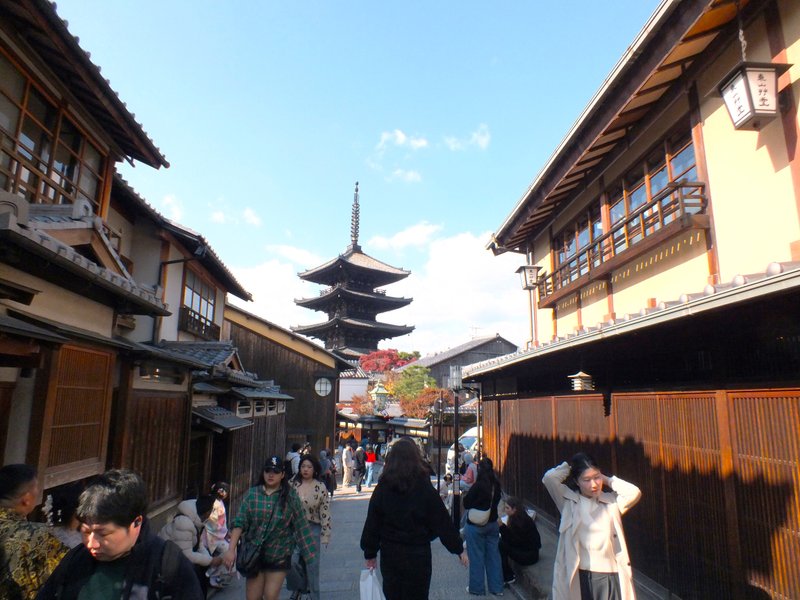
A Long, Quiet Walk: Philosopher’s Path and Its Surroundings
This is one of the most frequently mentioned walking areas in Kyoto — and also one of the most misjudged.
Philosopher’s Path is not a city route.
There are no shops pulling you forward, no clear rhythm, no natural sense of progress.
The walk is:
- flat, but long
- quiet, but repetitive
- slow, and requires patience
You can’t really speed up here.
But at the same time, you may start wondering when it will end.
The key thing to understand is this:
Philosopher’s Path does not fill an entire day.
And when it’s poorly connected to the rest of your plan, it can drain the day instead of enriching it.
This area works best:
- later in the morning
- or toward the end of the day
Trying to “add something else” after finishing this walk is often a mistake.
I’m intentionally avoiding individual temple details here.
I’ll sort out which ones are truly worth your time in Kyoto3.
Right now, the focus is strictly on walking logic.
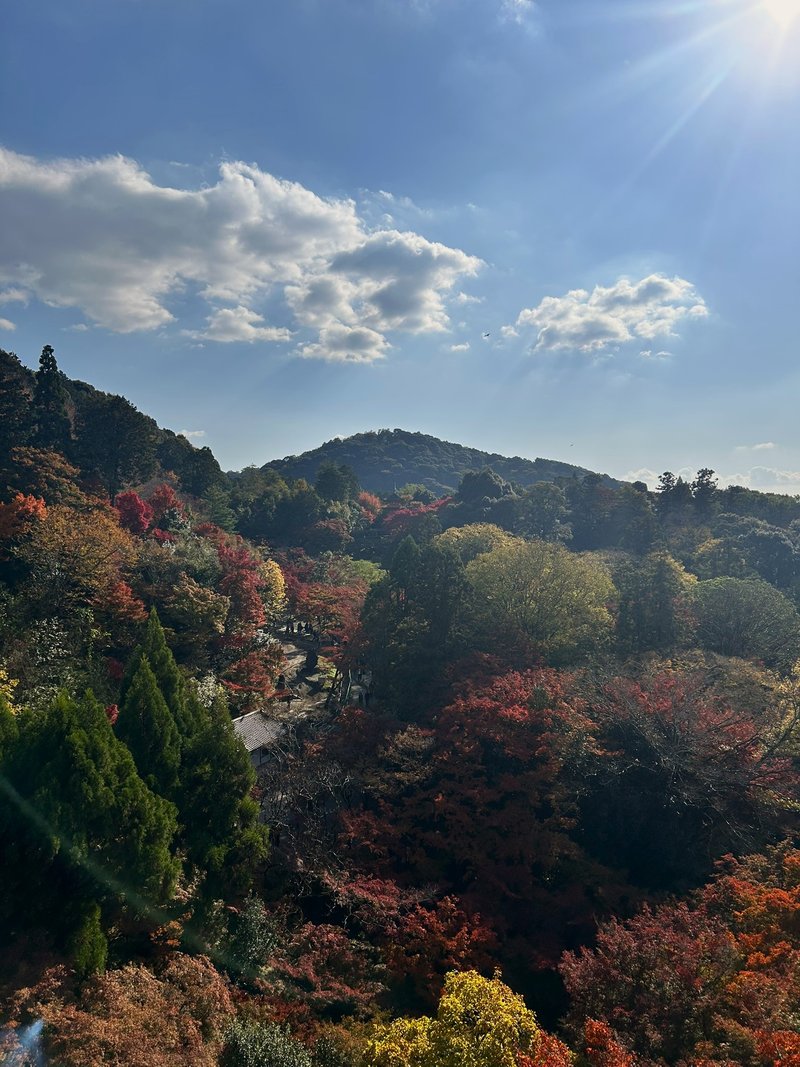
“Walkable” — But Not a Walking Extension: Arashiyama
Arashiyama is often described with a single sentence:
“You can walk there.”
That’s true — but incomplete.
Yes, you walk.
But this walking is:
- long
- crowded
- and isolated from the rest of Kyoto
Arashiyama doesn’t connect naturally to other walking zones.
It’s a destination, not a transition.
Trying to:
- combine it with the city center
- link it to Gion
- or treat it as “just another stop”
usually means spending half the day in transit.
The walking experience itself changes dramatically by time of day:
- early morning → calm and controlled
- late morning → tiring
- midday → often overwhelming
The most accurate way to think about Arashiyama is this:
It’s a separate island in Kyoto’s walking map.
As with other temple-heavy areas, the real value decisions belong in Kyoto3.
Here, Arashiyama is simply about how it fits — or doesn’t — into a walking day.
A Different Kind of Walk: Fushimi Inari Taisha
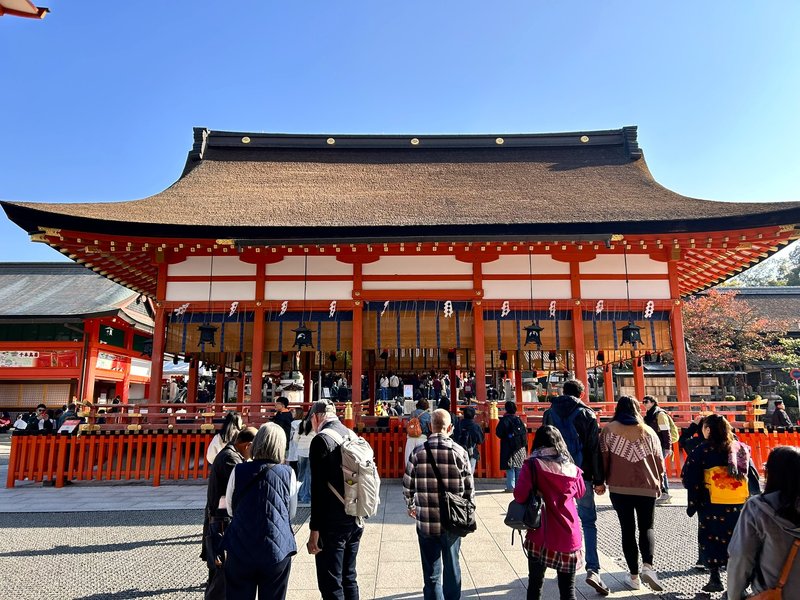
Fushimi Inari is often labeled “walkable,” but this isn’t a standard walk.
This is not a city walk.
Not a wandering walk.
Not a flexible walk.
It’s physical, repetitive, and rhythm-based.
You climb stairs.
You see similar scenes again and again.
At some point, mental fatigue sets in — even if your legs are fine.
This is why:
- placing it in the middle of the day
- or planning to “walk somewhere else afterward”
rarely works.
The best timing is clear:
- very early in the day
- as the main focus, not an add-on
Fushimi Inari feels less like a walk and more like a controlled physical experience.
It demands both stamina and patience.
The Core Mistake People Make When Planning Walks in Kyoto
At this stage, a pattern becomes obvious.
Most people treat walking in Kyoto as a connector —
a way to move efficiently between attractions.
But in Kyoto, walking is not transportation.
It’s the experience itself.
Instead of asking:
“Can I walk from here to there?”
The better question is:
“Which area’s rhythm am I choosing today?”
When you get this wrong:
- days break apart
- energy drops
- and the city feels far more exhausting than it needs to be
Where You Stay Shapes How You Walk in Kyoto
In Kyoto, accommodation isn’t about being “central.”
It’s about how easily your day starts and ends on foot.
Where I stayed allowed me to:
- begin walking without immediately relying on transport
- return on foot when energy was low
- balance walking with short rides instead of committing to one extreme
That balance matters more than exact location.
In Kyoto, you don’t need to be in the absolute center.
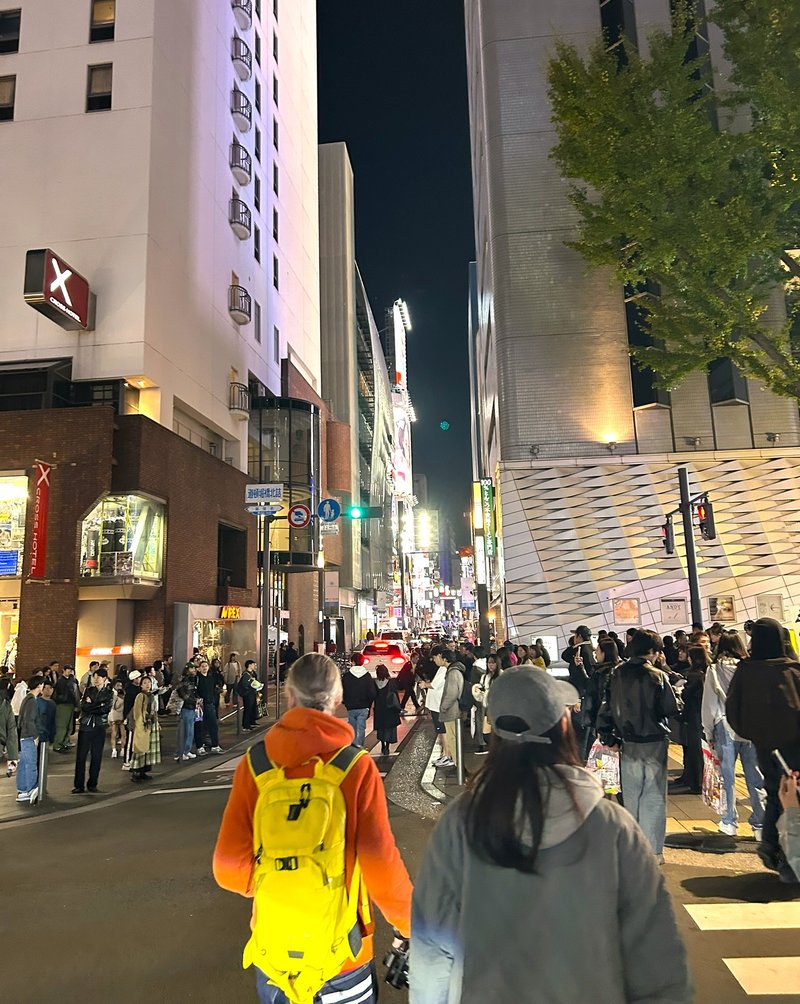
But being within walking distance of the Kawaramachi–Gion area makes a real difference.
The biggest advantage isn’t convenience during the day —
it’s the ability to walk back at night without planning, checking routes, or forcing one last move.
Accommodation details deserve their own space, and I’ll go deeper into that later in the series.
For this article, the takeaway is simple:
In Kyoto, a walkable ending to the day is as important as a walkable beginning.
Walking Combinations That Actually Work on the Same Day
A reliable rule in Kyoto is this:
one main walking area + one supporting walk.
Good combinations:
- Kawaramachi → Pontocho → Gion
This is Kyoto’s most natural walking flow. Nothing feels forced. - City center + partial Philosopher’s Path
Not the full stretch — just a section, as a change of pace. - Any daytime plan + evening Gion walk
Gion works best as a closing chapter, not a starting point.
Combinations that usually don’t work:
- Arashiyama + city center
- Fushimi Inari + another long walk
- Any plan based on “since we’re here, let’s walk to…”
Kyoto doesn’t reward chaining.
Each area wants your attention — not a leftover slot in your schedule.
The Biggest Walking Mistake in Kyoto
If this article had to be reduced to one sentence, it would be this:
The biggest mistake in Kyoto is treating walking as transportation.
Walking here is not about efficiency.
Not about saving time.
Not about connecting dots.
It’s the day itself.
A “20-minute walk” on a map can include:
- crowds
- pauses
- stairs
- uneven ground
- mental fatigue
That’s why days that feel good in Kyoto usually share the same traits:
- fewer areas
- clearer rhythm
- unplanned gaps
Kyoto doesn’t punish slow travel.
It punishes rushed logic.
What Should Change After Reading This?
If you’re planning your trip, pause and reset a few assumptions:
- Plan one walking zone per day
- Treat walking as the focus, not the filler
- Accept Arashiyama and Fushimi Inari as full commitments
- Leave Gion for the end of the day whenever possible
In the next article — Kyoto 3: Temple Fatigue – Which Ones Are Actually Worth It? —
I’ll filter the temples inside these walking zones and separate value from obligation.
After that, Eating & Drinking in Kyoto Experiences, Traps, and Notes will focus on food and breaks:
where walking naturally slows, where it should stop, and how meals fit into the rhythm of the city.
Kyoto is walkable.
But only if you walk with the city, not against it.


