

Temple Fatigue in Kyoto: Which Temples Are Actually Worth It?
Kyoto has hundreds of temples—but which ones truly matter? A practical guide to iconic, overrated, and hidden temples worth your time.
Temple Fatigue in Kyoto: Which Temples Are Actually Worth It?
What Is Temple Fatigue — and Why Does It Start So Quickly in Kyoto?
Most people feel lucky on their first day in Kyoto.
A temple on every corner, history woven into daily life, silence hidden behind gates. The first few visits feel meaningful: you lower your voice, slow your steps, pay attention. Then something shifts. By the third or fourth temple, the emotional response weakens. Everything is still beautiful — but it no longer lands the same way.
That feeling has a name: temple fatigue.
The problem isn’t that Kyoto has too many temples.
The problem is approaching all of them with the same expectation.
Kyoto is home to hundreds of temples and shrines, but they don’t offer the same kind of experience. Some stand out for architecture, some for history, some for atmosphere — and some mainly for reputation. When you visit them back-to-back without filtering, your mind stops distinguishing the differences. That’s when the thought appears: “Nice… but.”
This article starts exactly there.
Not to rank temples from “best to worst,” but to ask a more useful question:
Which temples are truly worth your time — and which ones may not be, depending on who you are?
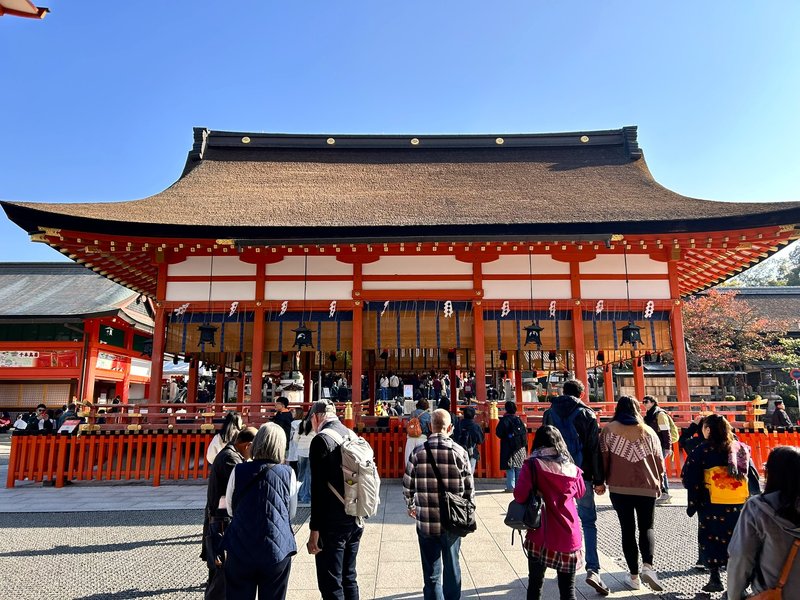
The Biggest Mistake People Make When Visiting Temples in Kyoto
The most common mistake is treating temples like a checklist.
Many itineraries follow the same logic:
“These are the famous ones. Let’s see them all.”
So people rush into crowds early in the morning, feel drained by noon, and by afternoon find themselves staring at another garden without feeling much of anything. The issue isn’t the temples — it’s the lack of choice.
Some temples in Kyoto:
- are meant for short visits
- require slow, deliberate time
- only make sense in a specific mindset
When all of them are visited the same way, the experience flattens.
That’s why this article won’t simply list “must-see temples.”
Instead, it focuses on what each place actually offers — and who it’s for.
Famous Temples That Truly Deserve Their Reputation
A few temples remain powerful despite crowds, tour groups, and constant photography. Their popularity isn’t accidental — they still deliver a distinct experience when approached with the right expectations.
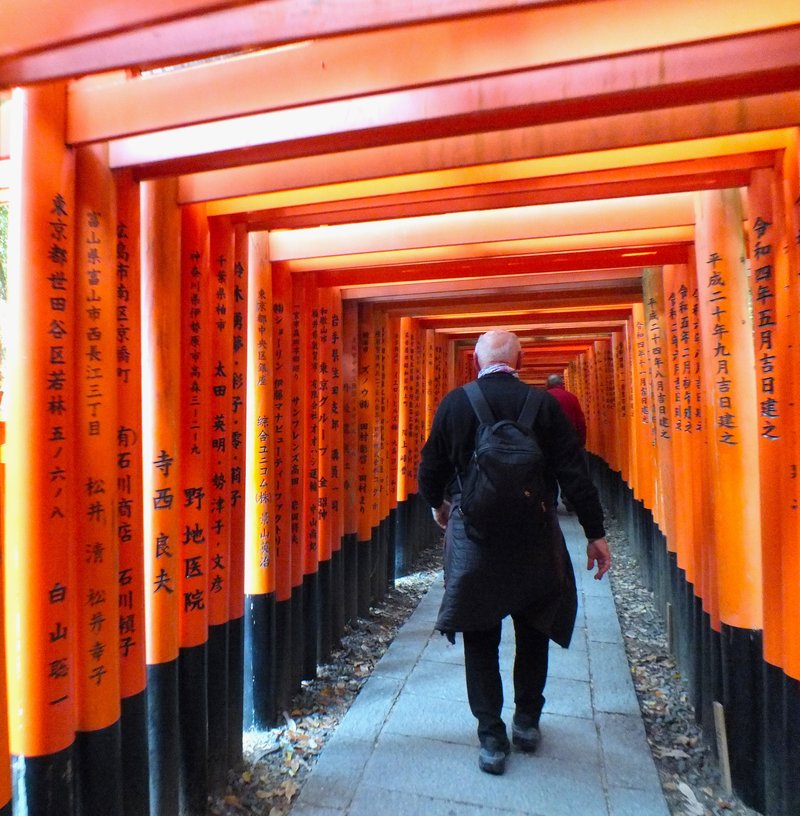
Fushimi Inari Taisha
Despite being one of the most photographed places in Kyoto, Fushimi Inari earns its reputation. Walking through thousands of vermilion torii gates is not just a visual moment — it’s a physical one. As you climb higher, the crowds thin, city noise fades, and your pace naturally slows.
One important note:
You don’t need to reach the summit. Even the lower sections are enough to understand the rhythm of the place. But if you continue upward, you begin to feel why Kyoto rewards patience.
Kiyomizu-dera
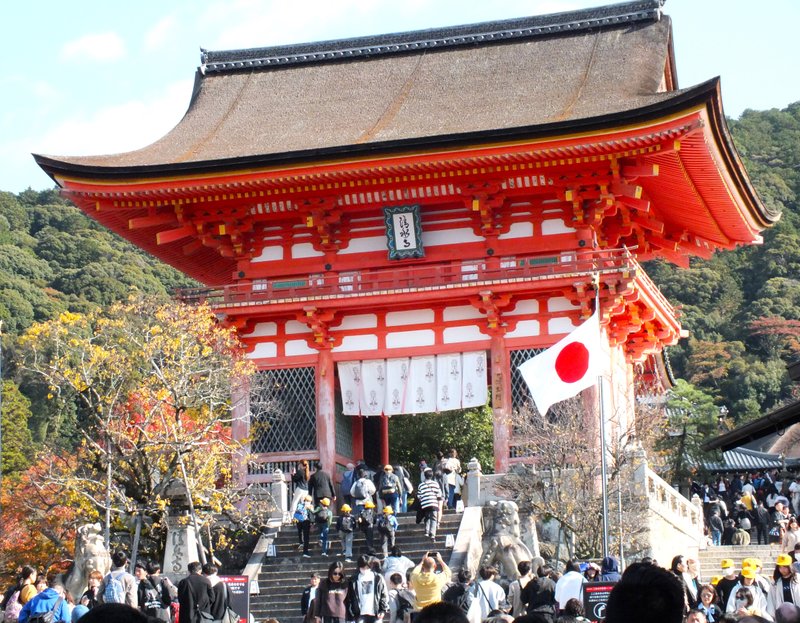
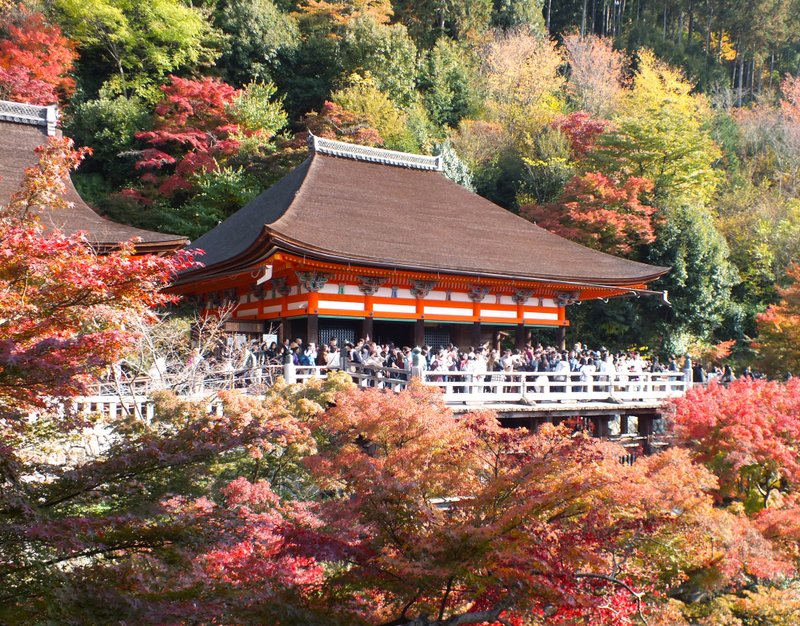
With its wooden terrace and sweeping views, Kiyomizu-dera offers one of Kyoto’s most iconic perspectives. It’s almost always crowded, but the scale of the site absorbs the noise better than most places.
Expectation matters here.
This temple offers impact, not silence. If what you’re looking for is a defining “Kyoto moment,” it delivers exactly that.
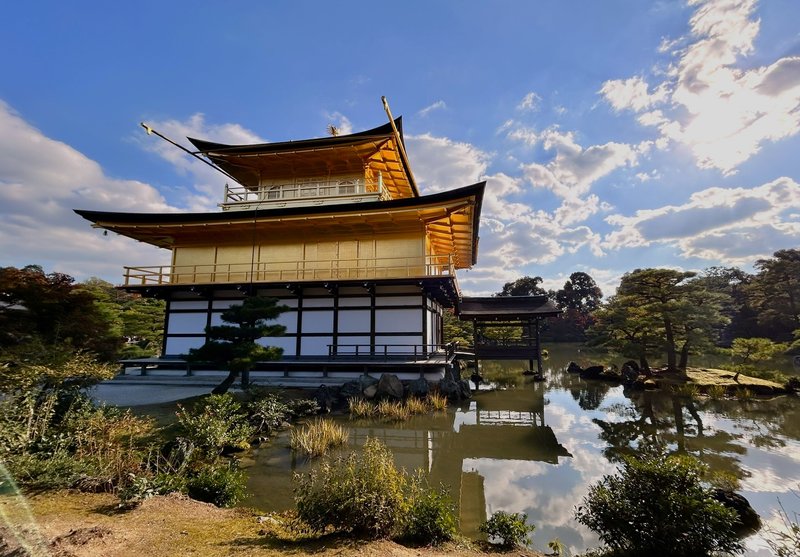
Kinkaku-ji
Often described as “beautiful but overcrowded,” Kinkaku-ji still creates one of the clearest visual images in Kyoto. Few places imprint themselves so instantly.
This isn’t a place to linger.
A short walk, a moment of observation, and then moving on is enough. With the right mindset, it doesn’t disappoint.
Extremely Popular — But Not for Everyone
Some temples dominate guidebooks and itineraries. They’re important, well-known, and widely visited — yet that doesn’t mean they resonate with every type of traveler. The issue isn’t quality; it’s fit.
Tenryu-ji
Located in the heart of Arashiyama, Tenryu-ji is historically significant and visually polished. Its garden is carefully designed, and its connection to Zen history is undeniable. But when visited during peak hours, the experience can feel rushed and surprisingly flat.
Tenryu-ji tends to disappoint if:
- you’re sensitive to crowds
- you’re short on time
- you don’t usually linger in gardens
For visitors who enjoy sitting quietly and understanding design principles, it can be rewarding. For everyone else, it often blends into the background of an already busy Arashiyama visit.
Gion
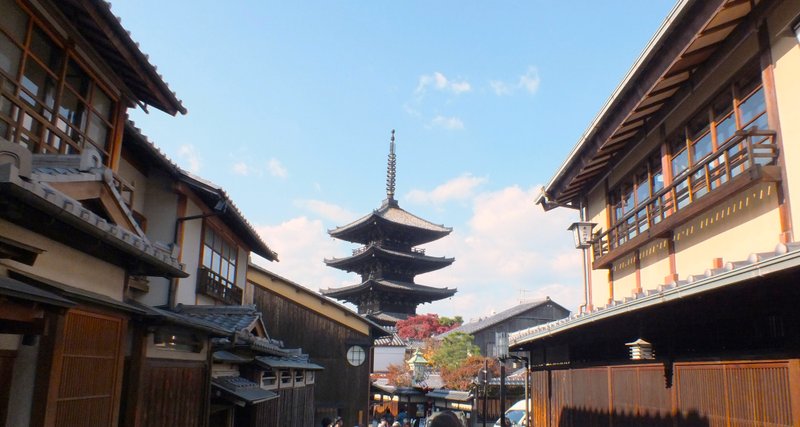
Gion isn’t a temple, but many people approach it as if it were one. They expect spiritual depth or contemplative silence — and leave confused when they find crowds, cameras, and staged atmosphere.
Gion works best if you’re looking for:
- traditional streetscapes
- evening walks
- urban atmosphere
But if your goal is inner quiet or a sense of ritual, Gion may feel performative rather than meaningful.
Temples You Can Skip Without Regret
This section matters most for travelers with limited time. Kyoto rewards selectivity, and some places — while not bad — simply don’t add much unless you have a specific interest.
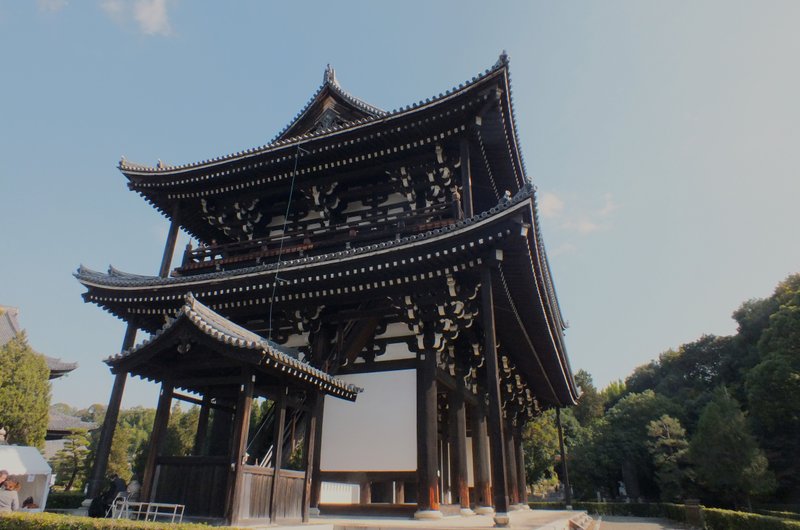
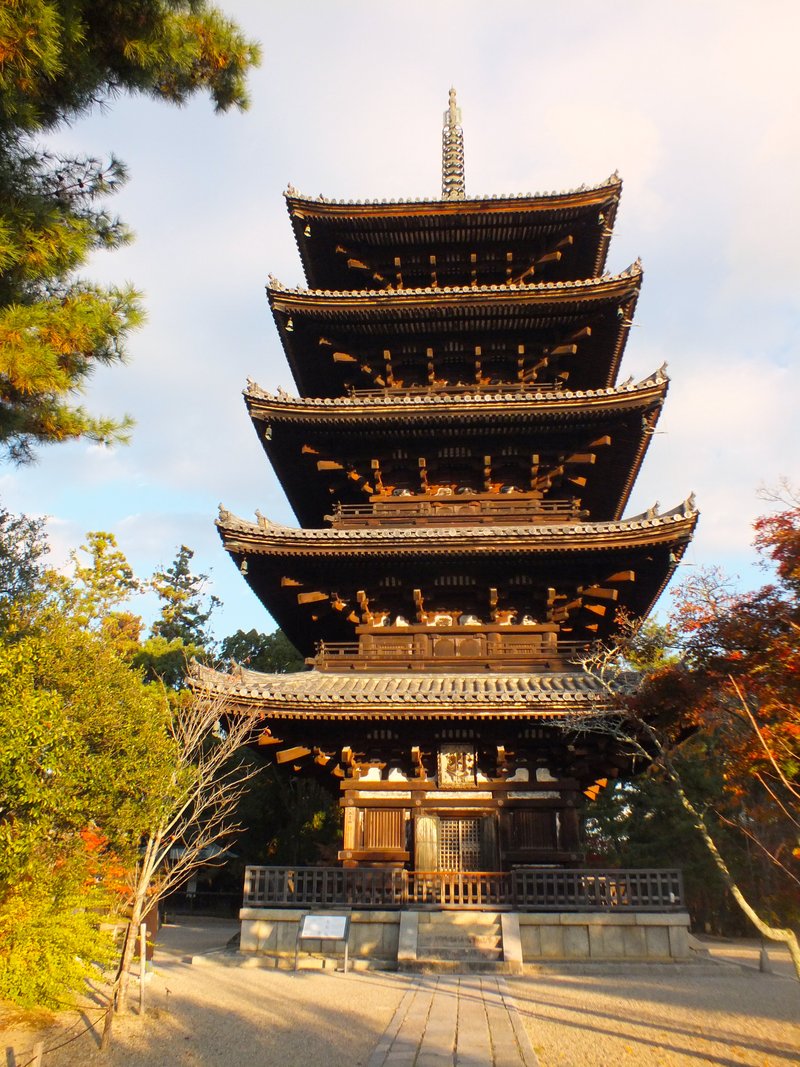
To-ji
To-ji is home to Kyoto’s tallest pagoda and carries real historical weight. However, the overall visit can feel surprisingly empty if architecture alone doesn’t excite you.
If:
- you’re not particularly interested in pagodas
- you’re trying to avoid repetition
- you’re choosing between multiple temples
Skipping To-ji won’t leave a noticeable gap in your Kyoto experience.
Nishi Hongan-ji
Religiously, this is one of the most important temples in the city. Experientially, it’s minimal and restrained — intentionally so. That simplicity deeply resonates with some visitors, while leaving others feeling underwhelmed.
This temple is best suited for:
- those interested in Buddhist practice and doctrine
- visitors comfortable with subtlety
If you’re seeking atmosphere or visual contrast, it may not be the right match.
Lesser-Known Temples With a Stronger Emotional Impact (Hidden Gems)
Temple fatigue often disappears the moment you step away from the obvious choices. These places don’t advertise themselves — and that’s exactly why they work.
Otagi Nenbutsu-ji
Tucked into the hills beyond Arashiyama, Otagi Nenbutsu-ji is defined by its hundreds of stone statues, each with a distinct expression. The walk to reach it already filters out crowds — and the reward is an atmosphere that feels personal and calm.
This is a place where people slow down naturally. You don’t rush through it; you notice faces, textures, and silence.
Shisen-do
Small, quiet, and intentionally understated, Shisen-do is designed for sitting rather than moving. It’s not impressive in photos — but it’s deeply effective in person.
Ideal for travelers who:
- value stillness
- prefer depth over spectacle
- don’t need constant stimulation
Honen-in
No grand structures, no dramatic viewpoints. Just moss, stone paths, and a soft, almost whispered atmosphere. Honen-in doesn’t demand attention — it earns it.
Many visitors end up remembering this place more vividly than larger, more famous sites.
Historically and Religiously Important — But Why They Can Feel Challenging
Some temples in Kyoto are essential in the history of Zen and Japanese Buddhism. They’re referenced in books, lectures, and academic discussions. But importance doesn’t always translate into an immediate emotional response — especially for visitors encountering these ideas for the first time.
Ryoan-ji
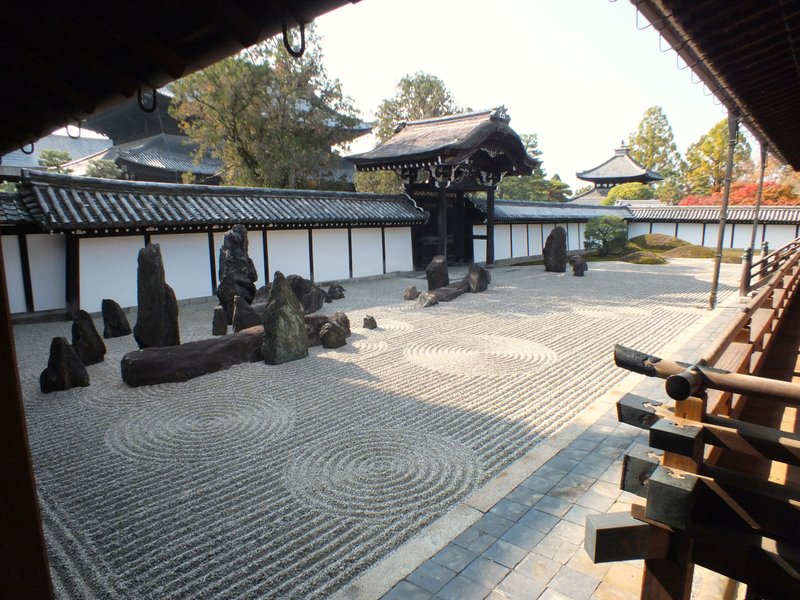
Ryoan-ji’s rock garden is one of the most analyzed Zen spaces in the world. The placement of stones, the use of emptiness, and the absence of a clear focal point are all intentional. Nothing here is meant to impress quickly.
That’s precisely why it can feel difficult.
If you:
- expect an instant visual reward
- aren’t familiar with Zen concepts
- feel uncomfortable sitting still without “something happening”
Ryoan-ji may seem underwhelming. The experience here is intellectual and reflective rather than sensory. It asks more from the visitor than it gives — and that’s not for everyone.
This isn’t a flaw. It’s simply a matter of timing and mindset.
How to Choose the Right Temples for You
At this point, one thing should be clear:
There’s no single “correct” temple list for Kyoto.
The better question is: what kind of experience are you actually looking for?
Ask yourself which statement feels closest:
“This is my first time in Japan. I want iconic moments.”
→ Kiyomizu-dera, Fushimi Inari, Kinkaku-ji
“Crowds drain me. I want quiet and atmosphere.”
→ Honen-in, Shisen-do, Otagi Nenbutsu-ji
“I’m interested in philosophy and history, even if it’s subtle.”
→ Ryoan-ji, Nishi Hongan-ji
“My time is limited. I don’t want regrets.”
→ Fewer temples, chosen intentionally
Your answers shape your Kyoto experience more than any ranking ever could.
A Simple Priority Rule for Short Visits
If you only have two or three days in Kyoto, this balance works remarkably well:
- One iconic temple — to anchor your sense of place
- One quiet, lesser-known temple — to slow down
- One non-temple experience — walking, neighborhoods, everyday Kyoto
This combination prevents repetition and keeps each visit distinct. Instead of blending together, places stay separate in your memory.
Kyoto doesn’t reward volume.
It rewards attention.
You Don’t Have to See Every Temple in Kyoto
Kyoto has a way of making people feel behind — as if something important is always just around the corner. But this city was never meant to be completed.
Leaving things unseen isn’t failure here.
It’s part of the design.
When you allow yourself to skip, to choose, to let go of the checklist, Kyoto opens up differently. Fewer places, deeper impressions. Less exhaustion, more presence.
In Kyoto, seeing less often means feeling more.


