

Kyoto or Tokyo? A First-Time Visitor’s Comparison Guide
Kyoto vs Tokyo for first-time visitors: pace, crowds, walkability, food experience, and what each city really feels like in Japan.
Kyoto or Tokyo? A First-Time Visitor’s Comparison Guide
Who Is This Comparison For?
Almost everyone planning their first trip to Japan starts with the same question: Kyoto or Tokyo?
When time is limited, the budget is tight, or the fear of “missing out” kicks in, this question becomes even more pressing. This article is not about declaring a winner. It’s about answering a more useful question: Which city makes more sense for a first-time visitor?
Personally, I connected more with Kyoto.
But this is not an attempt to diminish Tokyo. On the contrary, it’s written by fully acknowledging Tokyo’s strengths—while explaining why Kyoto can feel more grounded, especially on a first visit.
If you:
- are traveling to Japan for the first time
- have limited time (around one week)
- want to feel the country, not just see it
this comparison is written for you.
First Impressions: What Do You Feel When You Arrive?
Liking a city rarely comes from a plan.
It happens in the first hours—sometimes in the first few steps.
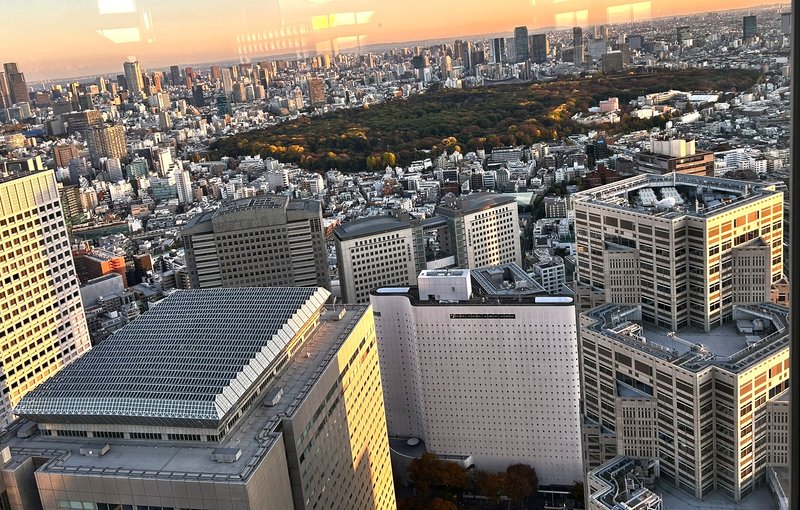
Tokyo’s first impression feels like a statement of power.
Everything is large, fast, and highly organized. The metro system, the signage, the crowds—Tokyo makes one thing clear:
“I exist on my own terms, and you need to adapt.”
This isn’t a bad thing. For many people, it’s exciting. But for a first-time visitor, it can create a subtle distance. You’re inside the city, yet not fully with it. You observe Tokyo before you inhabit it.
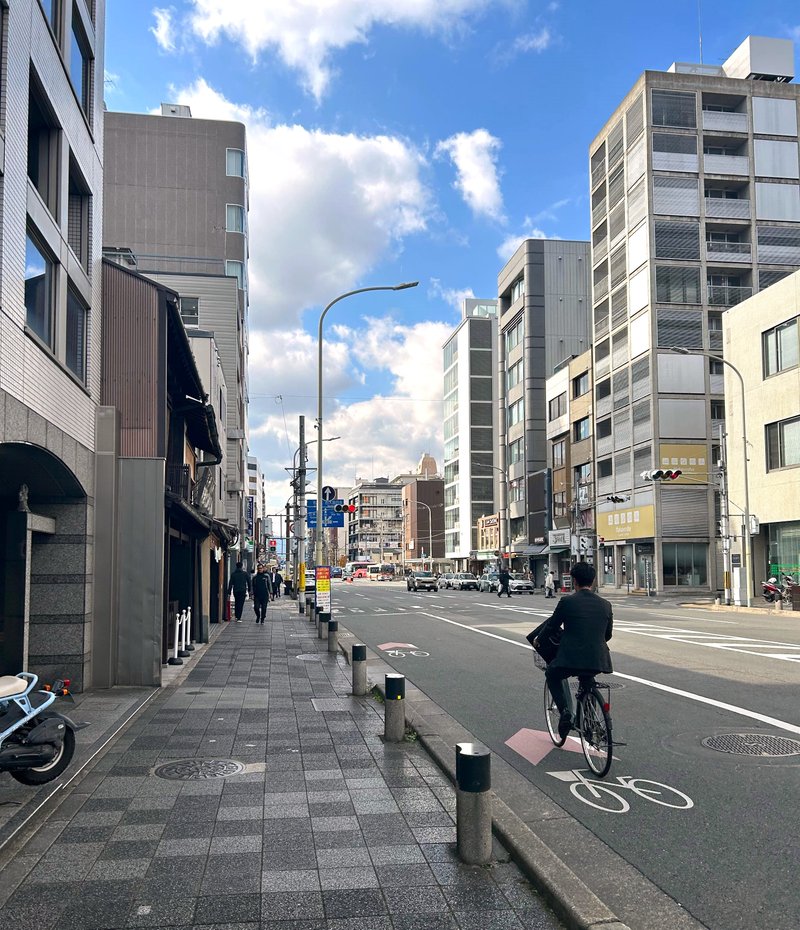
Kyoto feels different from the start.
It doesn’t try to impress. Streets are quieter, the scale is smaller, and the pace is gentler. The city doesn’t demand anything from you—it simply allows you to be there.
That difference alone sets the tone for the entire trip.
City Rhythm: Slowing Down vs Being Swept Along
Tokyo runs on momentum.
People move with purpose, rarely stopping. The city pulls you into its flow, and if you enjoy big-city energy, this can be deeply stimulating. But for first-time visitors, that speed often comes with a question:
“Am I falling behind? Am I missing something?”
Kyoto allows space for slowness.
Plans can fall apart without consequence. You can linger, pause, or change direction without feeling pressure. Time doesn’t revolve around checklists—it unfolds through moments.
This is why Kyoto often feels easier to feel, even if Tokyo is easier to admire.
Walking the City: Which One Feels More Natural?
Walking tells you everything about a city.
Especially when you get lost—does it cause stress, or curiosity?
Tokyo is walkable, but it demands awareness.
You need to know where you are, where you’re going, and which exit matters. Wandering without intention often leads you back into the transport system.
Kyoto feels more intuitive.
Distances make sense, orientation comes naturally, and walking feels like staying within the city rather than moving through it.
This difference may seem minor, but for first-time visitors, it shapes the entire experience.
Crowds and Noise: How Tiring Is It Really?
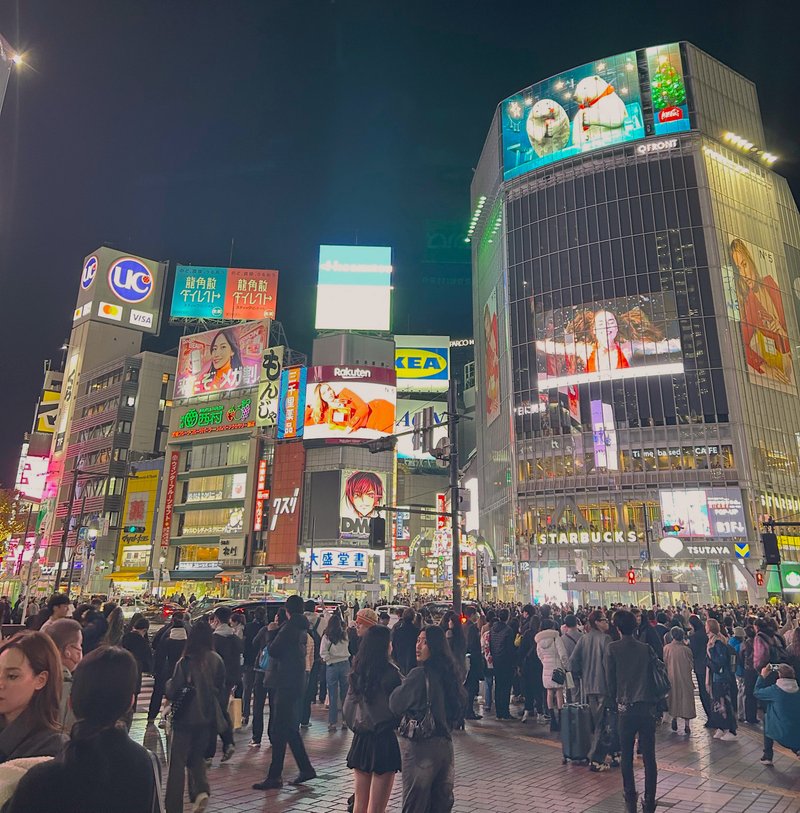
When people think of Tokyo, crowds are usually the first thing that come to mind.
But the real question isn’t how many people there are—it’s how that density feels.
Tokyo’s crowds are efficient and highly organized. Movement flows, rules are followed, and everything works. From a functional perspective, it’s impressive. But for first-time visitors, this constant flow can be mentally exhausting. Even when nothing goes wrong, the city demands attention. Noise isn’t just audible—it’s visual and cognitive.
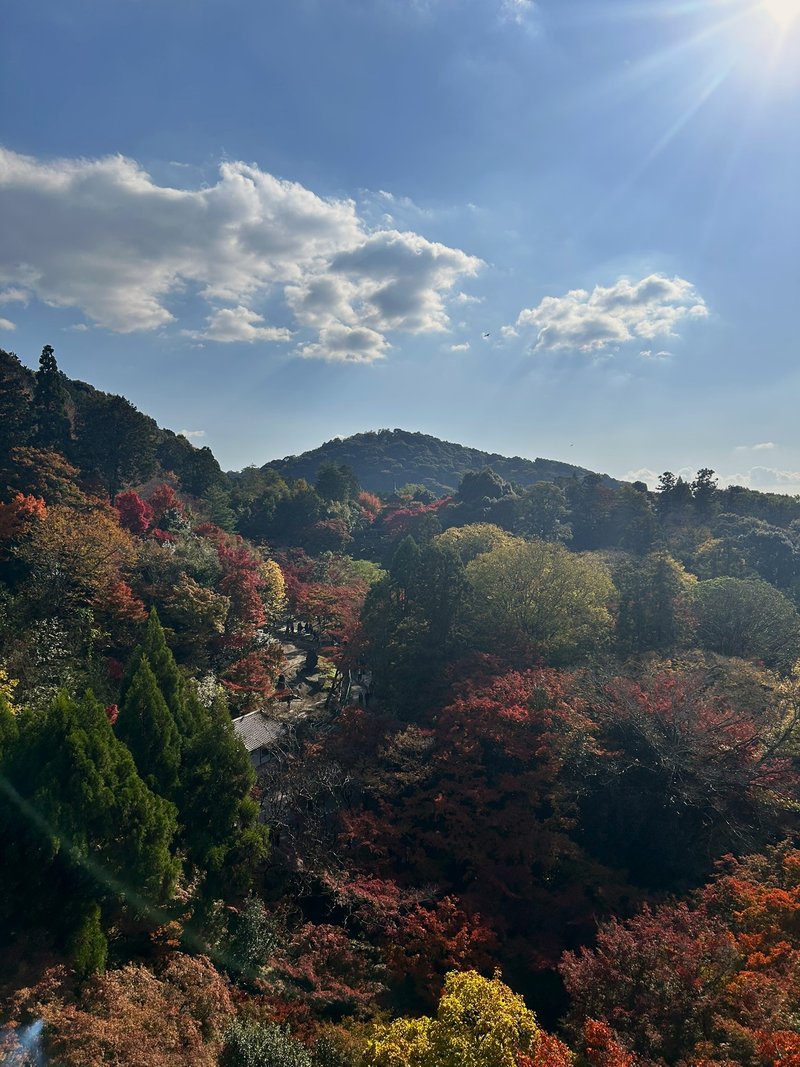
In Kyoto, crowds tend to concentrate in specific places and at specific times.
You may encounter busy areas, but the intensity doesn’t follow you everywhere. Once you step away, the pressure fades. The city gives you room to reset, which makes a noticeable difference over several days.
For first-time visitors, fatigue is rarely physical. It’s perceptual—and Kyoto is simply gentler in that regard.
Food Experience: More Than Just Taste
Tokyo is a global food powerhouse.
The range, the quality, the sheer number of options are undeniable. But abundance can become overwhelming. Choosing where to eat often feels like another decision to optimize, another plan to get right.
In Kyoto, food tends to feel more integrated into the day rather than competing for attention.
The experience is calmer, more contextual. Meals become part of the rhythm instead of the highlight you need to chase.
This isn’t about which city has better food.
It’s about how food fits into your travel experience. Tokyo impresses. Kyoto settles.
Connecting With the City: Observing or Belonging?
In Tokyo, the relationship often starts as observation.
You watch the system, the people, the scale. You respect it. You admire it. But feeling like a small part of it takes time.
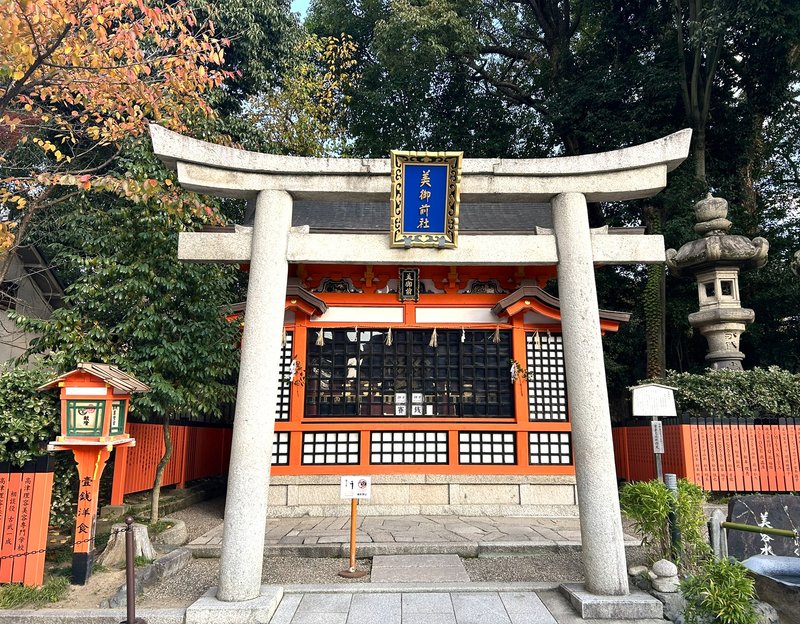
Kyoto lowers that barrier.
The city doesn’t assign you a role. Daily life, local movement, and visitor experience overlap more naturally. It’s easier to feel present rather than peripheral.
For first-time visitors, that sense of belonging—however temporary—can shape how Japan is remembered as a whole.
Difficulty Level for First-Time Japan Visitors
Tokyo isn’t difficult—but it is demanding.
It expects preparation, focus, and energy. Over time, it rewards you generously. But the learning curve is real.
Kyoto is more forgiving.
Mistakes don’t feel costly. A missed plan doesn’t derail the day. For someone new to Japan, that flexibility creates comfort and confidence.
The question isn’t which city is better.
It’s which one asks less from you at the beginning.
If You Have Limited Time, Which One Makes More Sense?
For first-time visitors to Japan who can only choose one city, time becomes the deciding factor.
This is where the difference between Tokyo and Kyoto becomes most apparent.
Tokyo is a city that rewards time.
Each district feels like a separate world, and that richness doesn’t compress easily. With only a few days, the experience often feels fragmented—interesting, impressive, but incomplete.
Kyoto, on the other hand, feels more cohesive within a shorter stay.
You may see fewer places, but you tend to remember them more clearly. Days feel full without being rushed. For a 5–7 day trip, Kyoto alone can feel like a complete experience rather than an introduction.
Photos, Atmosphere, and What Stays With You
This part isn’t really about cameras—it’s about memory.
In Tokyo, photos often capture movement: lights, contrasts, crowds, scale.
The images are powerful, but the moments pass quickly. Looking back, you remember what you saw.
In Kyoto, some moments stay even without photographs.
A quiet street, the pace of an afternoon, the stillness between destinations. These memories don’t document a place—they define it.
For a first trip to Japan, those quieter impressions often become the emotional reference point.
So, Which One Should You Choose?
There is no universal answer—only better matches.
Choose Kyoto if you:
- are visiting Japan for the first time
- have limited time
- prefer walking and slower rhythms
- want to feel the country rather than navigate it
Choose Tokyo if you:
- thrive in large, fast-moving cities
- enjoy planning and variety
- want to experience Japan’s modern intensity
- don’t mind a steeper learning curve
For me, the question was never which city is objectively better.
I felt Japan more clearly in Kyoto.
But that doesn’t diminish Tokyo’s scale, ambition, or impact.
Perhaps the most honest way to put it is this:
Tokyo shows you Japan.
Kyoto lets you feel it.
Once you know which of those you’re looking for, the choice becomes much easier.


