

Kyoto to Nara Day Trip Guide (2026 Route & Tips)
Planning a Kyoto to Nara day trip? Best train options, walking route, timing strategy, costs and practical tips explained clearly.
Kyoto to Nara Day Trip Guide (2026 Route & Tips)
Can You Visit Nara in One Day?
Short answer: absolutely.
If you are staying in Kyoto, Nara is one of the easiest and most rewarding day trips you can plan. With a well-structured schedule, you can explore the city comfortably in 6–7 hours without feeling rushed.
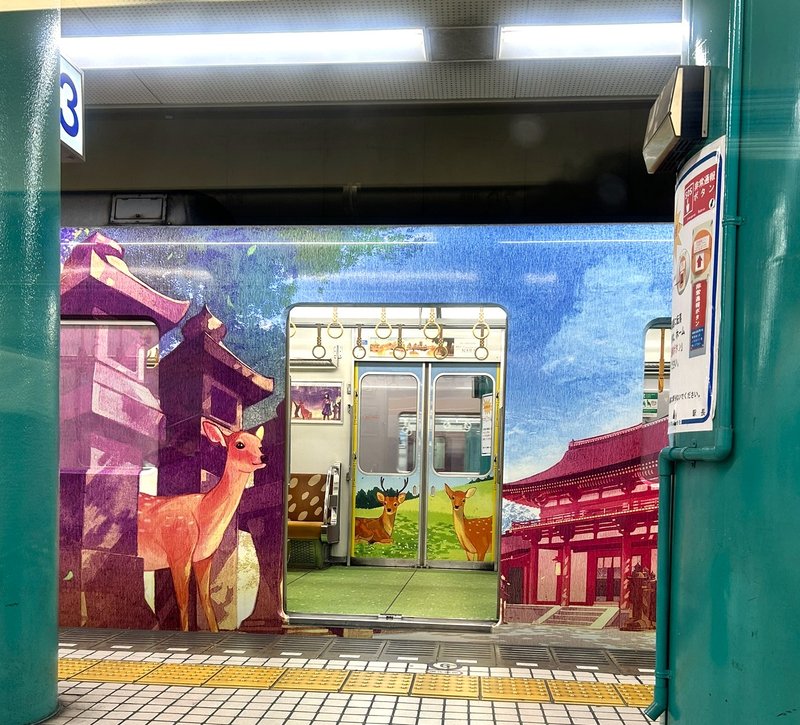
We left Kyoto in the morning and chose the Kintetsu line. This detail matters more than most guides suggest. Kintetsu Nara Station is closer to Nara Park, which means less walking at the beginning of your day and a more efficient overall route.
Travel time is roughly one hour. If you reserve seats—especially during busy seasons—you start the day relaxed and conserve energy for walking.
What Time Should You Leave Kyoto?
An ideal schedule looks like this:
- Depart Kyoto between 8:00–9:00 AM
• Arrive in Nara around 9:30–10:00 AM
• Return to Kyoto between 4:00–5:00 PM
Going early has two clear advantages:
- Shorter lines for deer crackers (shika senbei).
- Slightly fewer crowds at Tōdai-ji.
When we were waiting to buy deer crackers, they actually sold out. It was a minor inconvenience, but it reinforced an important lesson: if feeding the deer is part of your plan, earlier is better.
First Stop: Nara Park
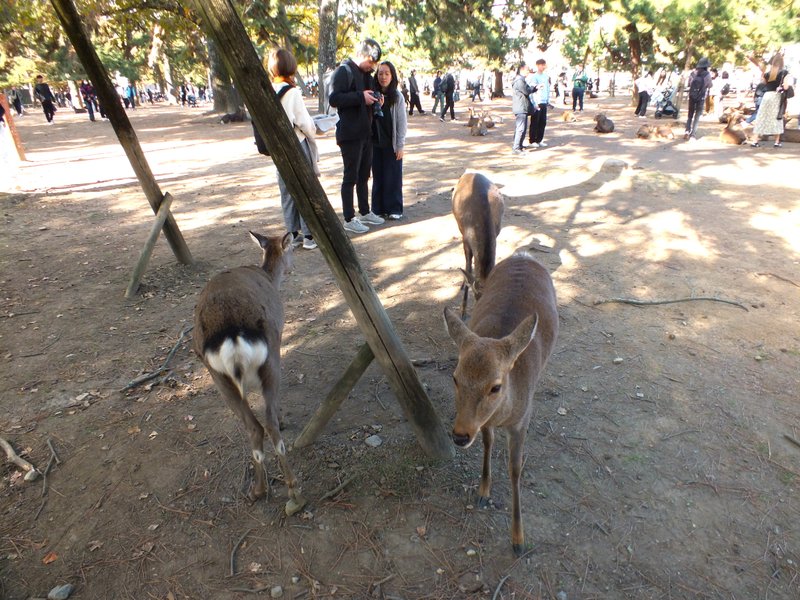
The most logical way to structure your day is to begin with Nara Park. Morning light is softer, and the atmosphere feels calmer.
A few practical observations:
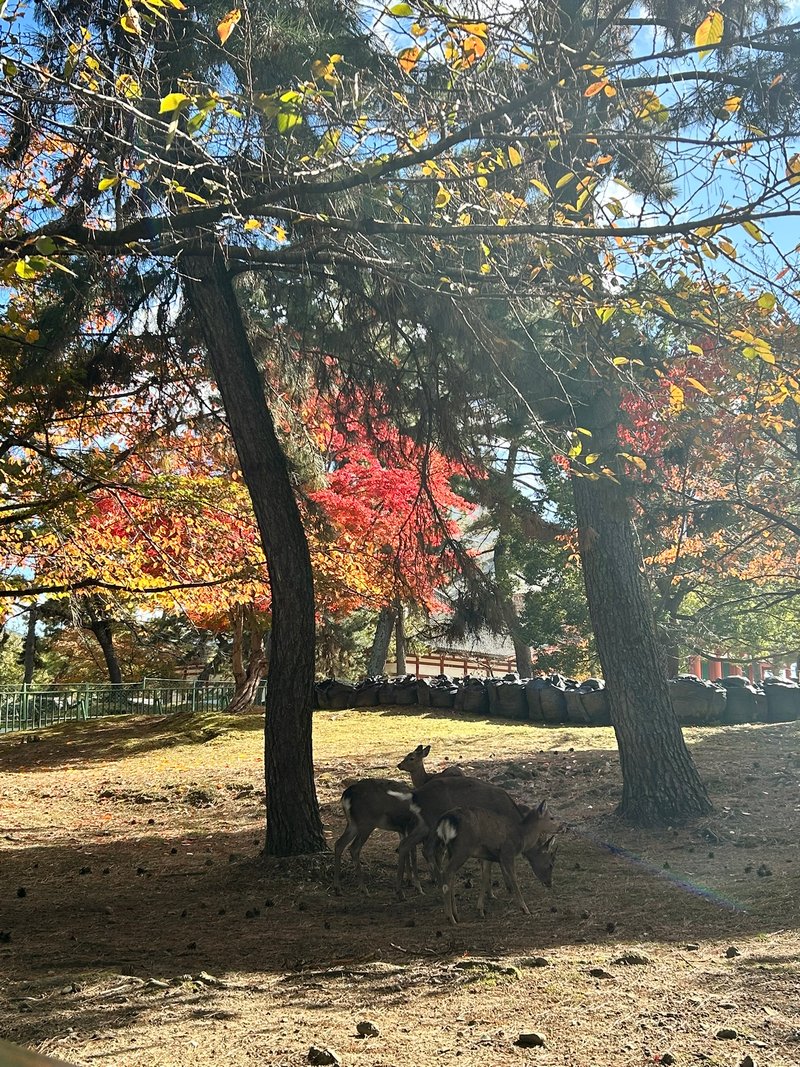
- If you are holding food, expect attention from the deer.
• They are gentle but persistent.
• Keep small items secure when taking photos.
The park is spacious but not physically demanding. Paths are wide and mostly flat. Even where the park meets city traffic, the environment feels orderly.
You can comfortably spend 1 to 1.5 hours here without rushing. Nara is not a place to move quickly through. Observing behavior—both human and animal—is part of the experience.
The key to a successful Nara day trip is pacing. This is not a city to “check off.” It is layered, and the structure of your route determines how much of it you actually absorb.
The Most Logical Walking Route
One of the most common mistakes when visiting Nara is planning the day without a clear route. The city is compact, but without structure you may end up walking in unnecessary loops.
A practical and efficient order looks like this:
- Kintetsu Nara Station
- Nara Park
- Tōdai-ji
- Kasuga Taisha
- Return toward the city center
Starting at Kintetsu Station naturally guides you into the park area. From there, the route flows gradually toward Tōdai-ji, and later into the forested path leading to Kasuga Taisha. This creates a linear progression rather than backtracking.
How Much Time for Tōdai-ji?
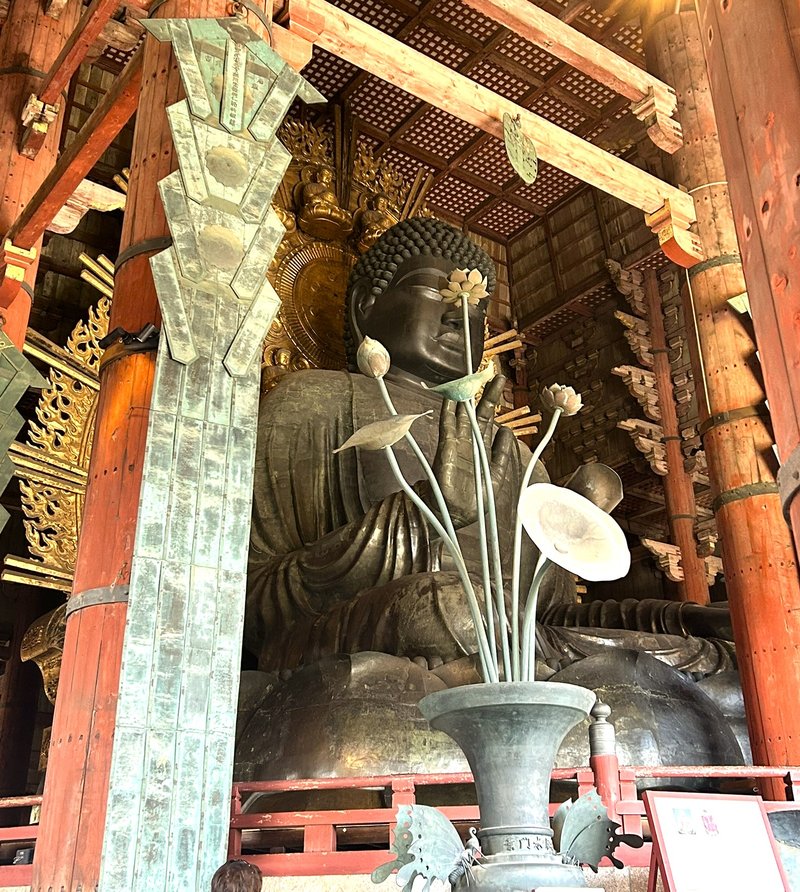
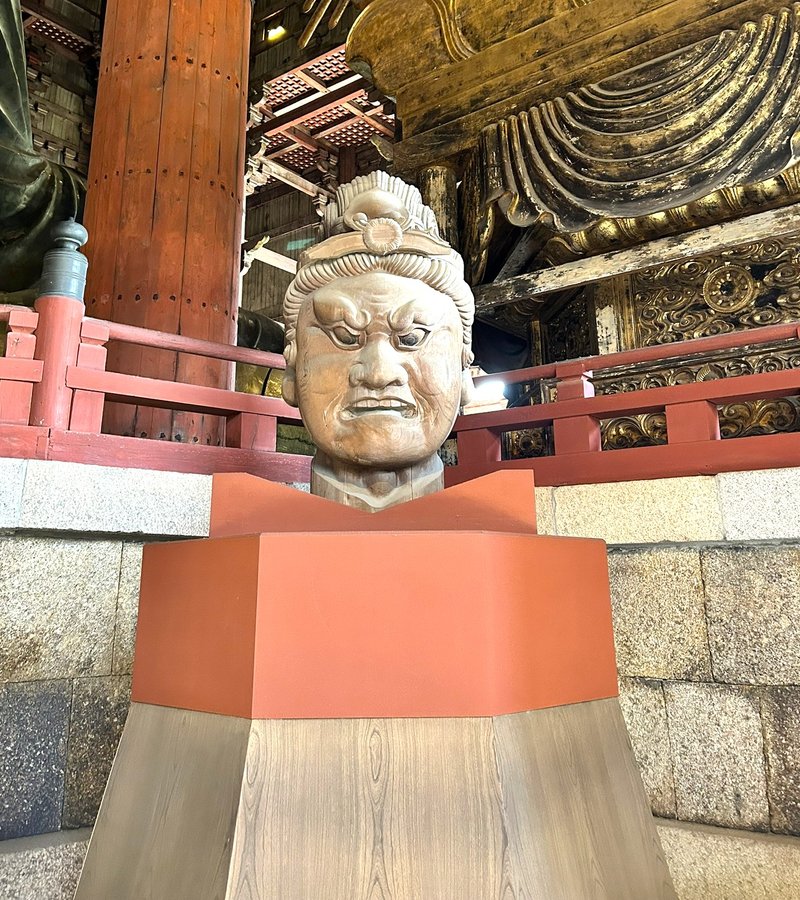
Plan at least 1 to 1.5 hours for Tōdai-ji.
This allows you to:
- Explore the Great Hall without rushing
• Observe the Great Buddha in detail
• Read historical explanations
• Participate in the famous pillar-hole ritual
Many visitors enter, take a few photos, and leave within minutes. That approach reduces the experience to a visual stop. If you take time to understand the historical and political context of the structure, the visit becomes significantly more meaningful.
Tōdai-ji is the intellectual and architectural centerpiece of the day. It deserves time.
Lunch Break Strategy
We had lunch at the cafeteria of the Nara National Museum. Set menus included a main dish and dessert, and prices were comparable to standard restaurant options in the area.
Choosing the museum cafeteria can be a strategic decision. It is organized, reliable, and avoids the uncertainty of searching for a restaurant during peak hours.
Allocate about 45–60 minutes for lunch. This naturally divides the day into two balanced halves.
Kasuga Taisha: Slowing the Pace
After lunch, heading toward Kasuga Taisha shifts the tone of the visit. The path becomes more forested, the atmosphere quieter, and the rhythm slower.
You can comfortably spend 45 minutes to an hour exploring the shrine grounds. It is not physically demanding, but it benefits from unhurried observation.
By this point, you will have spent roughly five to six hours in Nara — a full but manageable day.
The key takeaway is structural clarity. With a logical route, Nara feels organized and intentional rather than overwhelming.
Kintetsu vs. JR: Which Train Should You Take?
There are two main train options between Kyoto and Nara: JR and Kintetsu.
We chose Kintetsu, and for a day trip, it is often the more practical option. Kintetsu Nara Station is closer to Nara Park, which reduces walking time at the beginning and end of your visit. That difference may seem minor, but over a full day it affects your energy level.
JR is still a solid and reliable option, especially if you are using a JR Pass. However, the JR Nara Station is slightly farther from the main park area, which adds additional walking.
Travel time typically ranges from 45 to 60 minutes, depending on the train type. Service frequency is high, so you have flexibility when choosing your return time. During peak travel seasons, reserving seats can add comfort, especially if you are starting early.
What About Costs?
Prices can change over time, so always check current fares before traveling. That said, Nara is generally a balanced day trip in terms of budget.
- Round-trip train tickets from Kyoto are reasonably priced.
• Tōdai-ji has a separate entrance fee.
• Deer crackers are an optional small expense.
• Lunch prices are similar to those in Kyoto.
Nara is not a budget destination in the “cheap” sense, but it is predictable. There are no hidden costs, and most expenses are straightforward and manageable.
Is It Physically Demanding?
With a structured route, Nara is not exhausting.
Expect moderate walking — often between 10,000 and 15,000 steps — but the terrain is mostly flat and well maintained. The park areas are spacious, and temple grounds are organized.
The key is pacing. Because the route flows naturally, you avoid unnecessary backtracking. Returning to Kyoto by train also gives you time to sit and recover after a full day.
Comfortable walking shoes are essential. Beyond that, the day remains physically manageable for most travelers.
Practical Tips for a Smooth Day
- Go early for fewer crowds and better light.
• Buy deer crackers sooner rather than later.
• Do not rush through Tōdai-ji — read and observe.
• Keep small items secure around the deer.
• Avoid overpacking your schedule.
Final Positioning: How to Frame Nara
Nara works extremely well as a structured day trip from Kyoto. It is compact, logically organized, and layered in meaning.
If you go only for the deer, you will still have an enjoyable day. But with thoughtful pacing and minimal preparation, Nara can become one of the most intellectually satisfying stops in your Japan itinerary.
Short in distance.
Rich in structure.
Efficient, yet substantial.
A well-planned Nara day trip is not about speed — it is about alignment between route, context, and attention.


