

Nara Things to Do: A Complete One-Day Itinerary
Planning a day in Nara? Complete guide to Nara Park, Tōdai-ji, Kasuga Taisha and realistic timing for a perfect one-day visit.
Nara Things to Do: A Complete One-Day Itinerary
We took a morning train from Kyoto and arrived in Nara in about an hour. For most people, Nara is synonymous with deer. That was my first association too. But the moment you step out of the station and start walking toward the park, you realize the city cannot be reduced to that single image.
My first impression was clear: yes, it is touristic — but it is not exhausting.
There are crowds, but not chaos. There is movement, but not noise. People give each other space. If you imagine the tourists suddenly disappearing, you can easily see how calm and quiet this city would feel. Nara has a surface layer of tourism, yet underneath it there is a strong sense of order and balance.
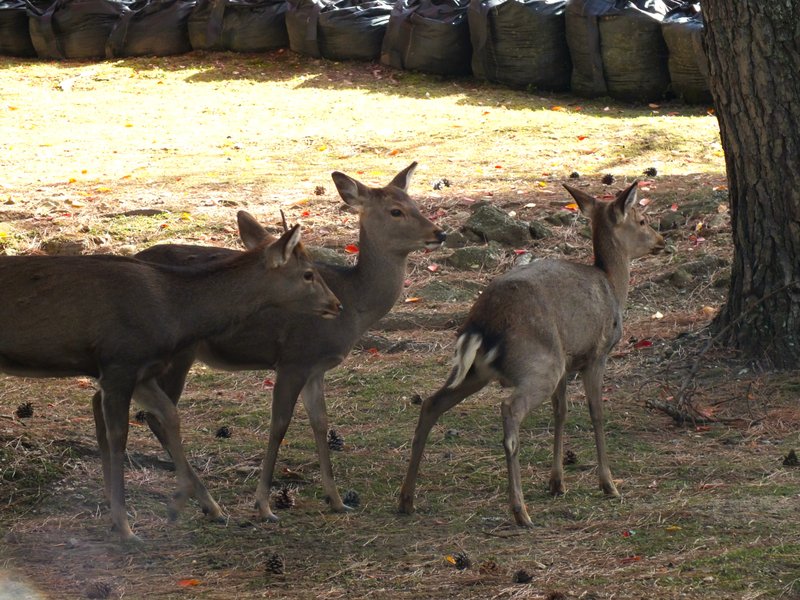
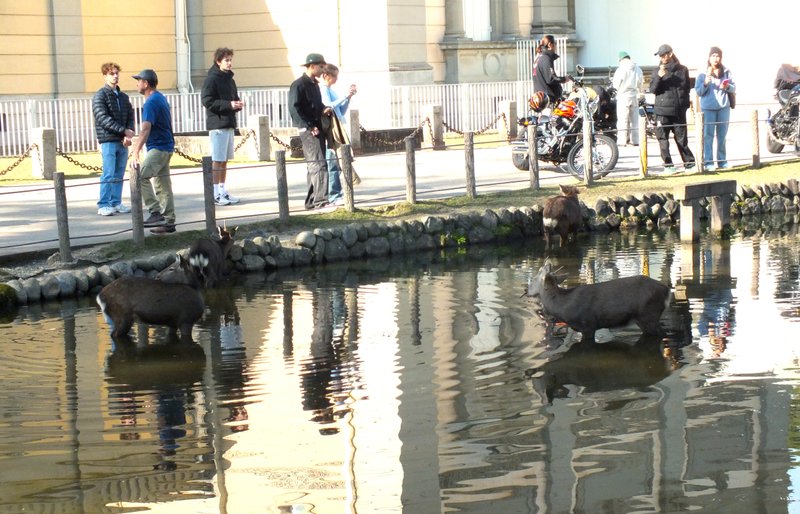
As we approached Nara Park, one detail stood out immediately: the deer are not an attraction placed inside the city — they are part of it. They cross the streets. Cars stop. No one honks. No one rushes them.
That scene alone says something profound about Japan.
At first, we were slightly hesitant. The deer are confident and come very close. If you are holding food, they become persistent. There is a short adjustment period. But after a few minutes, the interaction starts to feel natural. Some deer even bow their heads — a behavior often linked to tourists feeding them. Whether learned or instinctive, it adds a cultural layer to the encounter.
What fascinated me was not just the animals themselves, but the continuity they represent. In Shinto belief, deer in Nara are considered sacred messengers. And yet here they are, walking freely in a modern city. This is not a staged performance for visitors; it is a living tradition integrated into contemporary urban life. A belief system shaped centuries ago still influences traffic behavior today.
There is also the famous shika senbei — special crackers sold to feed the deer. One practical note: the lines can be long. When we were waiting, they actually ran out. It was a small inconvenience, but it did not diminish the experience. If feeding the deer is important to you, going earlier in the day may be a better strategy.
During those first hours, I began to understand something important. At first glance, Nara might look like a large, well-managed tourist park. But if you pay closer attention, you start to notice a deeper cultural structure beneath the surface. The deer are only the introduction.
Tōdai-ji and the Great Buddha: Scale, Authority, and Architectural Intent
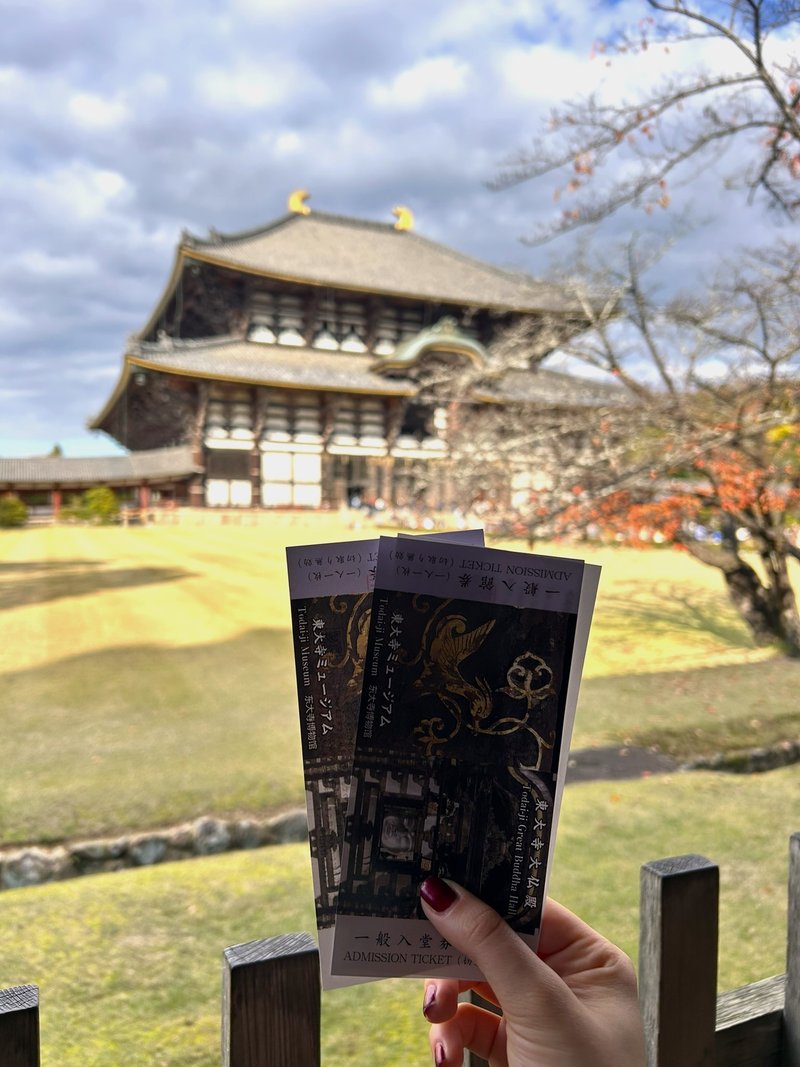
After spending time in the park, the real gravitational center of Nara becomes clear: Tōdai-ji.
If I had to give one single reason to visit Nara, this would be it.
As you approach the temple complex, the scale gradually reveals itself. What looks large in photographs feels even larger in person. Massive wooden gates. Towering beams. A structure that immediately shifts your perception of proportion. The building does not try to impress through ornamentation; it impresses through magnitude.
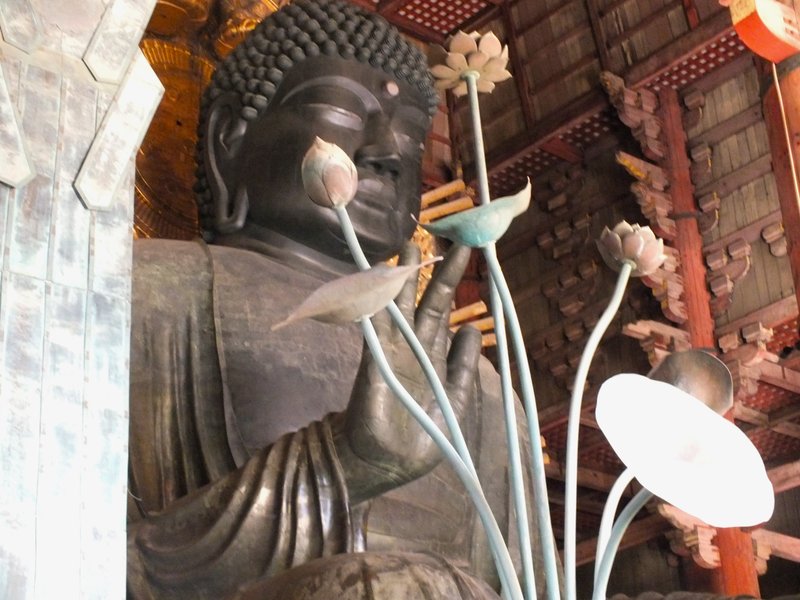
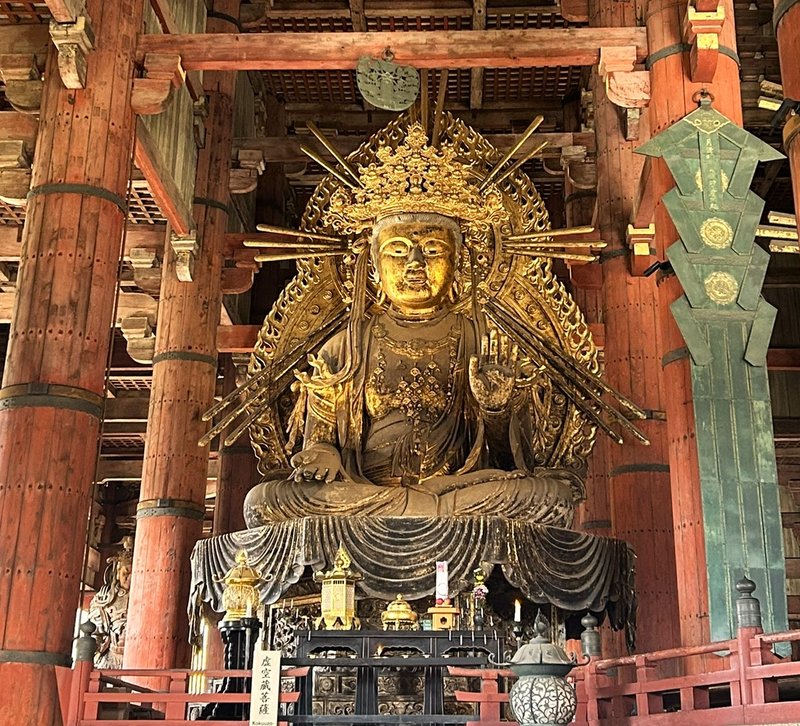
Inside stands the Great Buddha, the Daibutsu. Its sheer size is striking, but what makes it truly powerful is context. This statue was originally completed in the 8th century. When you consider the technical capacity, labor organization, and political will required to construct something of this scale at that time, the temple stops being just a religious site. It becomes a statement.
During the Nara period, Buddhism was actively supported by the state and positioned as a unifying ideology. Tōdai-ji was not merely a place of worship; it was part of a broader political project. Much like medieval European cathedrals embodied both spiritual devotion and centralized authority, the Great Buddha functioned as a visible symbol of imperial power and cohesion.
The interior was crowded, yet orderly. Visitors moved patiently. People waited their turn for photographs. Voices remained low. Even in a packed space, there was no sense of chaos. The collective behavior subtly shapes the experience. You are not overwhelmed by noise; you are aware of presence.
One of the most curious details inside the hall is a wooden pillar with a hole at its base. It is said that passing through it brings good health, and that the opening is the same size as one of the Great Buddha’s nostrils. Visitors line up to try. Some struggle, some laugh, some hesitate — but everyone waits. No pushing, no impatience.
What interested me most here was the balance between ritual and tourism. The temple is undeniably a major attraction, yet it has not been reduced to spectacle. People take photos, but they also read the historical explanations. They observe quietly. The weight of the place remains intact.
Architecturally, the hall itself is one of the largest wooden structures in the world. In an era dominated by steel and concrete, standing inside a centuries-old wooden building of this scale feels almost counterintuitive. The material gives warmth; the dimensions convey authority. It is powerful without feeling cold.
At this point, my perception of Nara shifted. The deer had introduced the city through charm and accessibility. Tōdai-ji reframed it through history and ideology. Without this temple, Nara might be remembered as a pleasant stop with friendly animals. With it, the city becomes a physical archive of early Japanese statecraft and belief.
Kasuga Taisha and the Layered Identity of the City
After leaving Tōdai-ji, we walked toward Kasuga Taisha. If Tōdai-ji represents scale and centralized authority, Kasuga Taisha represents something quieter and more organic.
The path gradually changes. Trees grow denser. Light filters through the forest canopy. The crowds thin out. The atmosphere shifts from monumental to introspective. You are still within a major tourist route, yet the emotional tone feels different.
Kasuga Taisha is a Shinto shrine, and that distinction matters. In Nara, you encounter not only Buddhism as a state-supported ideology of the 8th century, but also Shinto as an indigenous spiritual framework. These two systems coexist spatially and historically, sometimes in tension, often intertwined.
The stone and bronze lanterns lining the approach to the shrine are among its most recognizable features. Many of them were donated over centuries by worshippers. Each lantern represents continuity — a physical trace of collective contribution across generations. The shrine does not feel monumental in the same way as Tōdai-ji, yet it carries a quiet authority rooted in repetition and tradition.
What struck me most about Nara at this stage of the day was its layered character. On the surface, it is easy to label the city as a “deer park destination.” But once you move beyond that first layer, you begin to see how the space functions as a living archive.
The deer are not simply charming animals wandering through a park. They are tied to Shinto belief and protected as sacred messengers. Tōdai-ji is not only an architectural wonder; it is a historical manifestation of early Japanese statecraft. Kasuga Taisha is not just another shrine stop; it reflects long-term communal memory and ritual continuity.
We spent around six to seven hours in Nara. It was not exhausting. Coming from Kyoto via the Kintetsu line made the journey straightforward, and reserving seats ensured the day began and ended comfortably. With reasonable pacing, Nara works perfectly as a day trip without feeling rushed.
By the time we left, my perception of the city had fully shifted. Yes, it is touristic. Yes, there are crowds and camera lenses everywhere. But beneath that visible layer lies a remarkably structured cultural landscape.
If you visit only for the deer, you will leave with pleasant photos. If you look closer — at the architecture, the rituals, the behavior of people in shared space — you begin to read Nara differently. It becomes less of a park and more of a case study in how belief, authority, and collective discipline can coexist across centuries.
Nara did not feel romantic to me. It felt deliberate. Structured. Conscious of its past. And perhaps that is precisely why it leaves a lasting impression.
Nara History: The First Capital of Japan Explained
Kyoto to Nara Day Trip Guide (2026 Route & Tips)


