

Mala Strana Travel Guide: Streets, Churches & Walking Routes
A practical Mala Strana travel guide: how to walk the district, understand its churches, streets, staircases, and plan a calm Prague route.
Mala Strana Travel Guide: Streets, Churches & Walking Routes
Where Is Mala Strana, and Why Does It Feel Different?
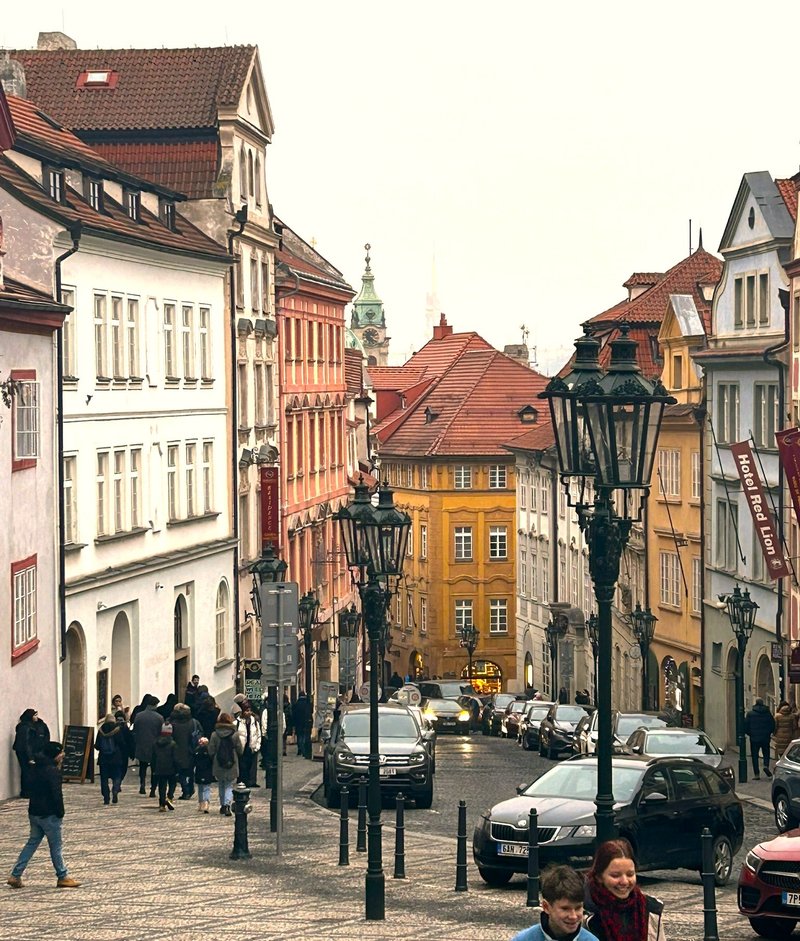
Mala Strana is one of the oldest and most structurally coherent districts in Prague. Located on the opposite side of the river from Charles Bridge, it is often treated as a transition area rather than a destination. In practice, it works best when explored on its own terms.
While Old Town is usually navigated through a checklist of landmarks, Mala Strana follows a different logic. What matters here is not individual sights but how streets connect to one another. This makes the district especially appealing to visitors who prefer walking with direction rather than moving between fixed points.
How to Walk Mala Strana: Understanding the Logic of the Area
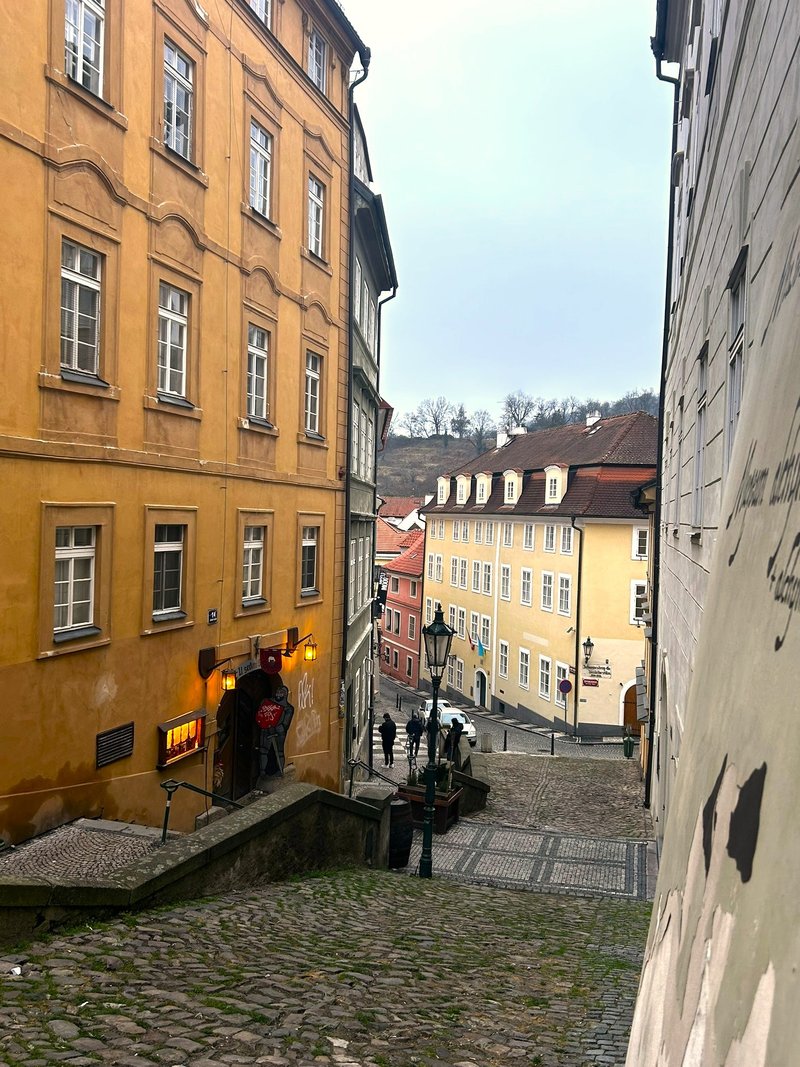
Mala Strana is not designed for rigid itineraries. The most effective way to explore it is to choose a general starting point and an ending point, then allow the streets in between to guide you. Elevation changes, narrow passages, and small open spaces naturally divide the walk into manageable sections.
Direction shifts are frequent. A street may open into a small square and then narrow again a few steps later. These transitions feel unplanned, but they make the area easy to navigate intuitively. In Mala Strana, it is difficult to feel lost, yet uncommon to retrace the exact same path.
Streets and Urban Texture: What Truly Defines Mala Strana
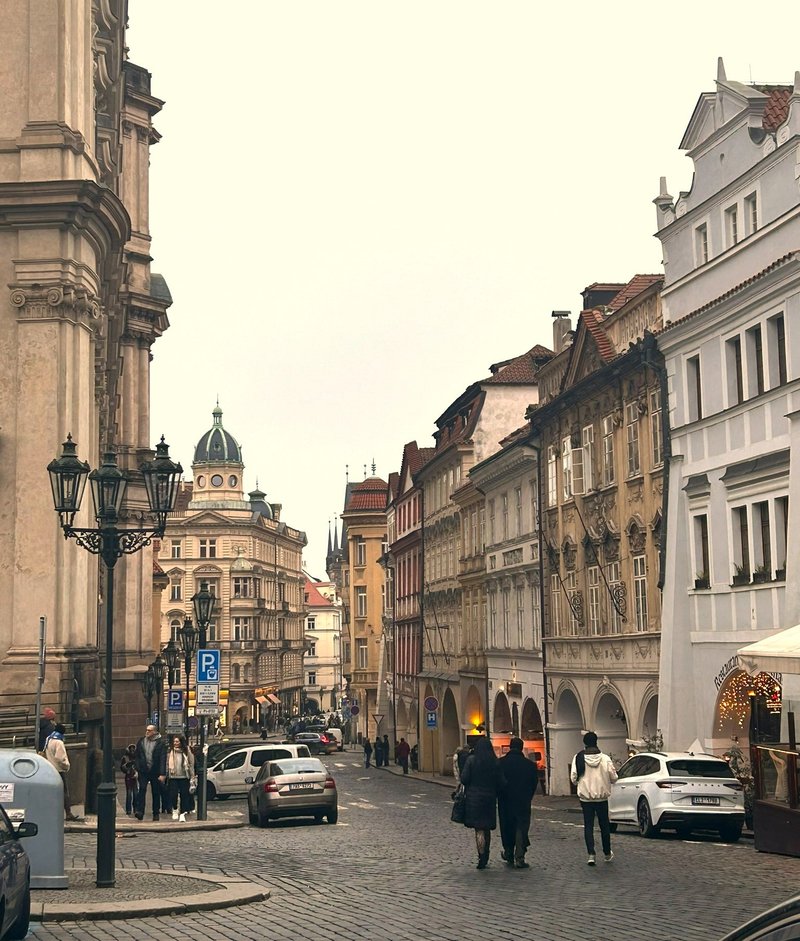
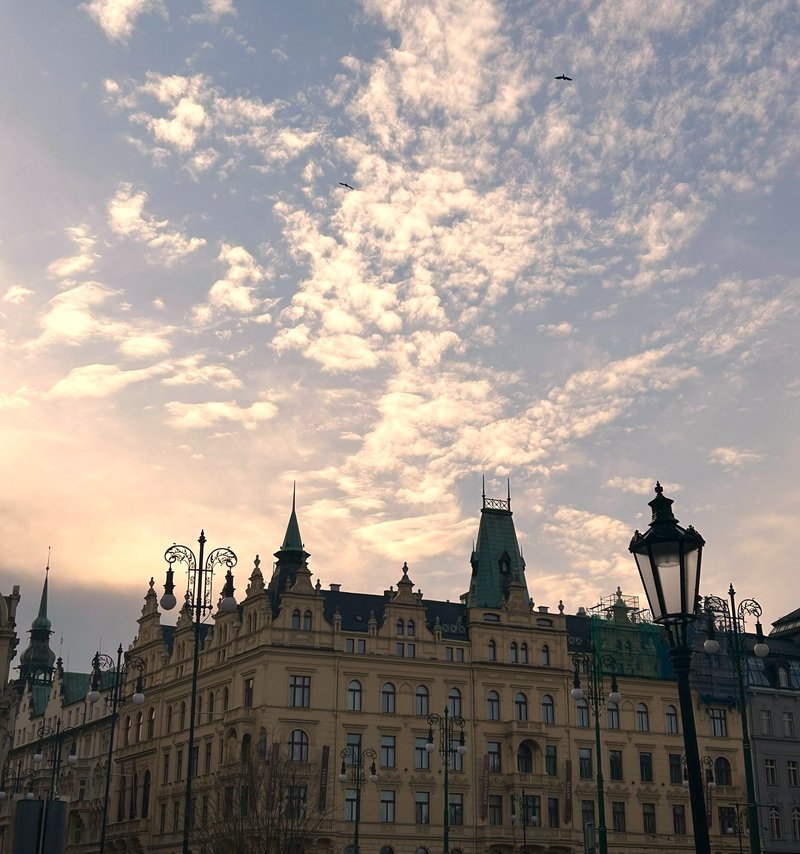
The character of Mala Strana emerges less from monumental buildings and more from everyday urban details. Stone pavements, low façades, windows close to the street, and short street segments create a sense of enclosure without heaviness. Streets are rarely wide, which naturally slows the pace and encourages observation.
There are no long, straight axes here. Instead, the district is shaped by short connections and gentle slopes. This structure turns Mala Strana from a passageway into a place meant to be experienced by walking, not crossed quickly. Progress is secondary; the route itself becomes the point.
Churches in Mala Strana: Destinations or Reference Points?
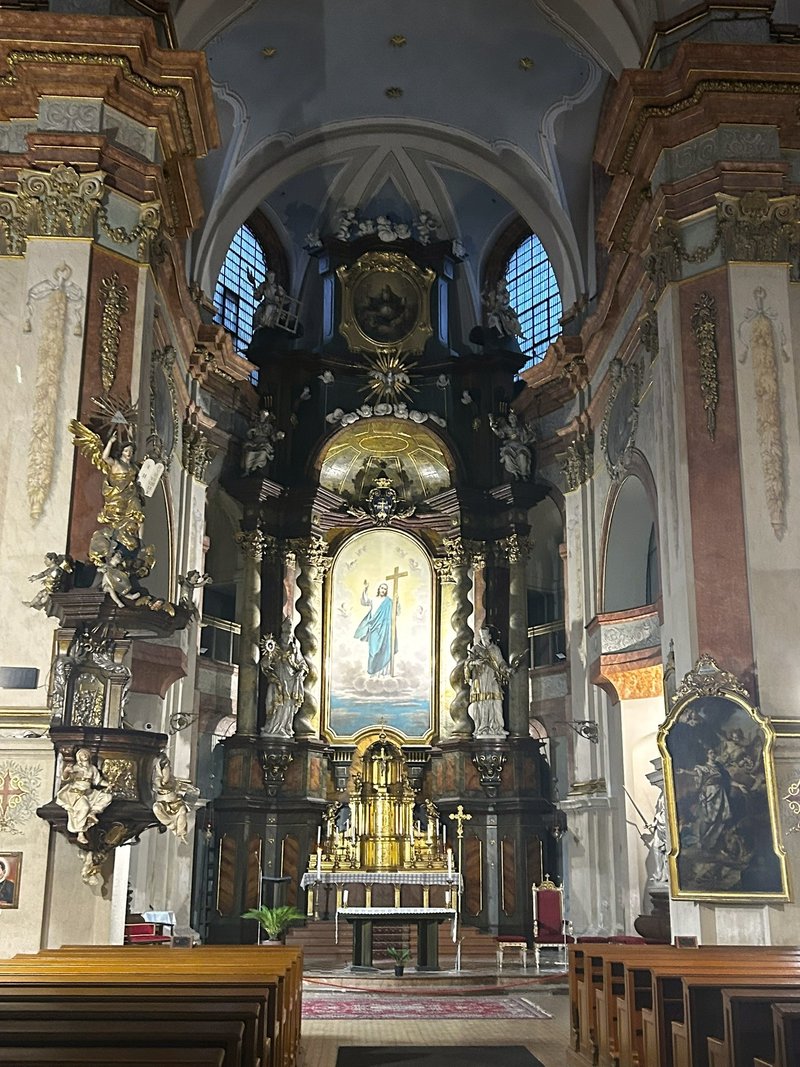
Churches in Mala Strana function less as mandatory stops and more as spatial anchors. Many appear naturally along walking routes and help maintain orientation within the district. Entering them is optional; their presence is often enough.
St. Nicholas Church, for example, defines the surrounding square and helps structure movement through nearby streets. Smaller churches such as Church of Our Lady beneath the Chain are embedded directly into the street fabric, shaping scale rather than spectacle. In Mala Strana, churches are best understood through where they sit, not how long you spend inside them.
Hidden Staircases and Passages: Shortcuts That Reshape the Walk
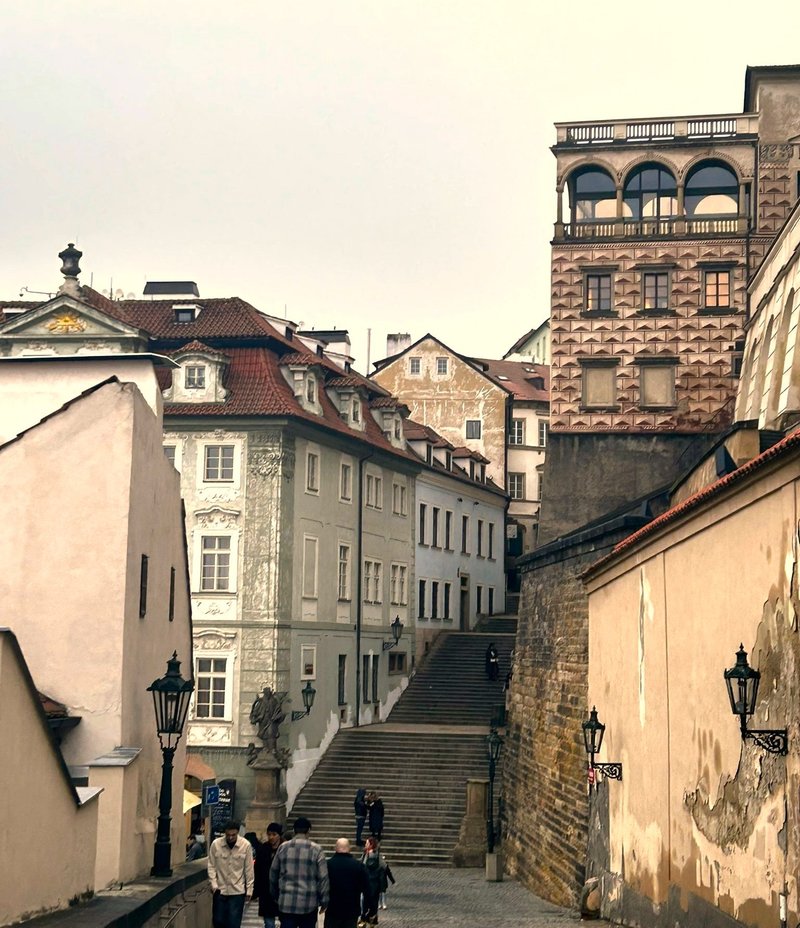
Walking through Mala Strana, one of the most easily overlooked elements is its network of staircases. They are not hidden by design; they are overlooked because they are often treated as simple shortcuts. In reality, these staircases subtly change how the district is experienced.
They serve two main purposes. First, they connect different elevations without forcing long detours, keeping the walk compact and fluid. Second, they alter perspective. A narrow street can open into a quieter space within a few steps, shifting the sense of scale without warning. These moments are common in Mala Strana and are part of what makes the area feel layered rather than linear.
Rather than seeking out specific staircases, it is more natural to let them appear as part of the route. Marking them in advance often flattens the experience; encountering them organically preserves the district’s rhythm.
Walking Between Churches: A Matter of Connection
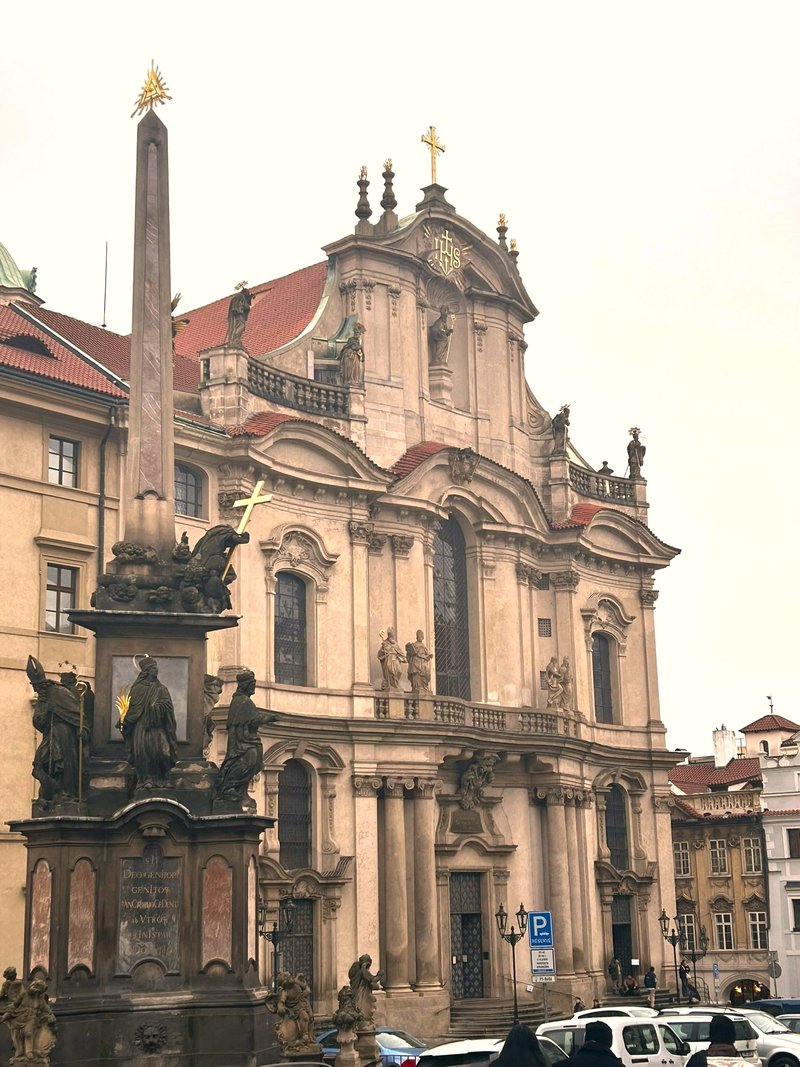
Churches in Mala Strana are best understood through their relationship to one another. They form a loose framework that helps structure movement across the neighborhood, even when they are not visited directly.
St. Nicholas Church anchors one of the main open areas and provides a clear spatial reference. Smaller churches, such as Church of Our Lady beneath the Chain, operate at a different scale, shaping nearby streets rather than dominating them. Moving between these points gives the walk a sense of orientation without imposing a strict route.
In this context, churches function less as destinations and more as connective markers. They help maintain continuity as the streets narrow, rise, and shift direction.
Who Mala Strana Is (and Is Not) For
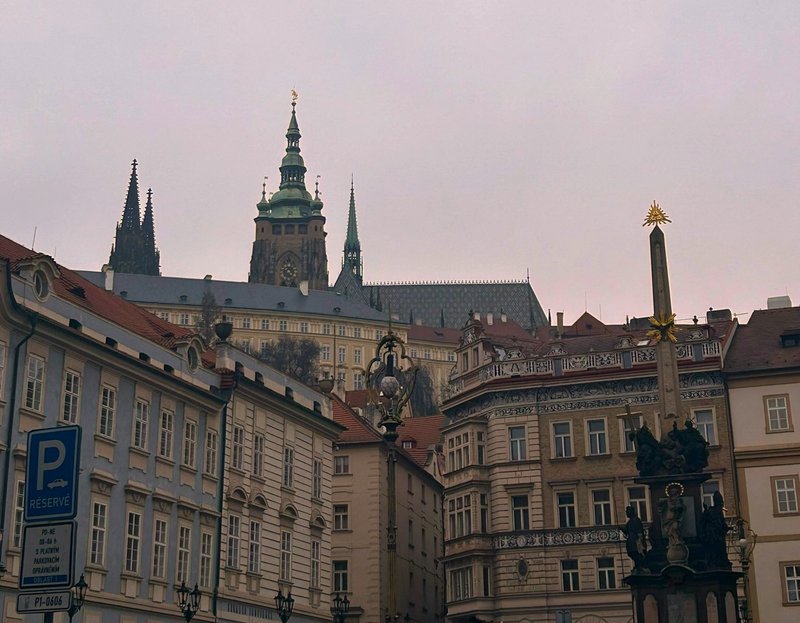
Mala Strana does not offer a uniform experience for every type of visitor. Its appeal depends largely on expectations.
Well suited for:
- Visitors who prefer walking as a way of understanding a city
- Those comfortable navigating without a rigid itinerary
- Travelers seeking coherent neighborhoods rather than isolated landmarks
- People who value atmosphere over accumulation of sights
Less suited for:
- Visitors aiming to cover many major attractions in a short time
- Those who rely heavily on lists and fixed schedules
- Travelers looking for wide boulevards and uninterrupted routes
Mala Strana rewards patience and attentiveness. When approached with the right mindset, it becomes one of the most internally consistent areas of Prague to explore on foot.
What to See in Mala Strana — A Clear, Practical Summary
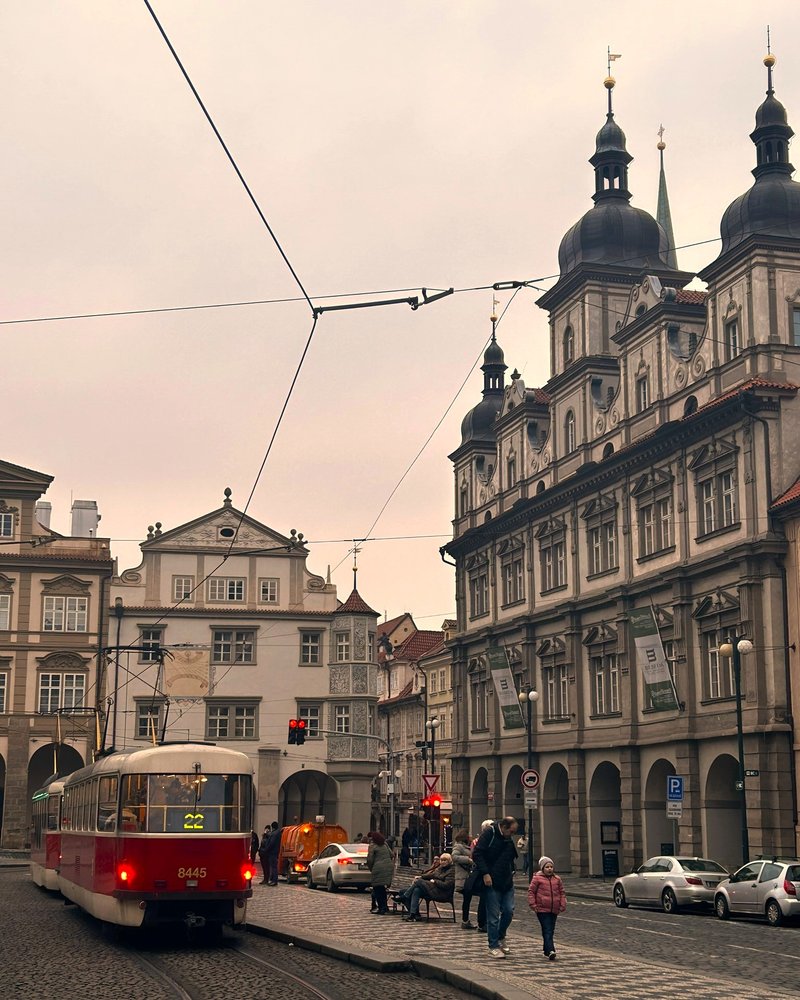
In Mala Strana, “things to see” are not isolated highlights but parts of a connected urban fabric. The list below works best as a mental framework rather than a strict itinerary.
- Churches
St. Nicholas Church — a central spatial reference and orientation point.
Church of Our Lady beneath the Chain — embedded within the street network, shaping scale rather than dominating it.
→ Entering is optional; their placement matters more than interior visits.
- Streets
Short segments, frequent turns, narrow passages.
→ The walk unfolds through connection rather than progression.
- Staircases and passages
Vertical links between levels, often doubling as quiet transitions.
→ They change perspective without interrupting flow.
- Small squares and open spaces
Modest in size, appearing unexpectedly.
→ Natural pauses within the walk.
- Overall structure Best explored by setting a loose start and end point.
→ The experience comes from movement, not accumulation.
Seen this way, Mala Strana is not about checking off sights but about understanding how the district holds together.
Where to Go After Mala Strana
Spending time in Mala Strana often shifts how visitors approach Prague as a whole. Once the logic of walking through connected neighborhoods becomes clear, certain follow-up routes feel more intuitive.
→ For those who enjoyed Mala Strana’s slower, more coherent rhythm.
→ A deeper look at why Prague’s most crowded areas are not always its most revealing.
→ Understanding how timing changes the experience of major connectors.
Together, these walks move away from point-based sightseeing and toward a more spatial understanding of the city.
Final Notes
Mala Strana does not present itself as a collection of must-see attractions. Instead, it offers one of the clearest examples of how Prague can be read on foot — through continuity, scale, and direction. For visitors who see walking as more than transportation, Mala Strana remains one of the city’s most coherent places to explore.


