

Prague’s Misleading City Center: What First-Time Visitors Get Wrong
Is Old Town really Prague’s center? Understanding how Prague actually works changes where you stay, how you walk, and how you experience the city.
Prague’s Misleading City Center: What First-Time Visitors Get Wrong
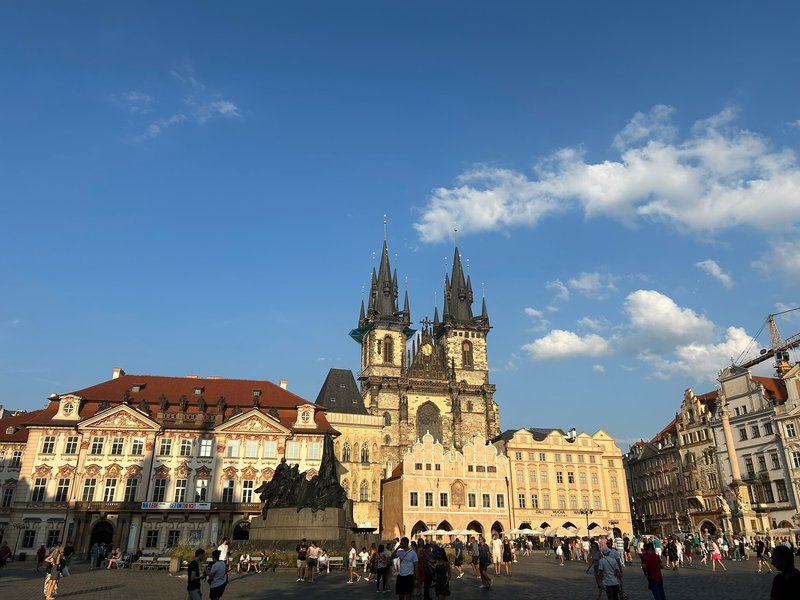
Why the Idea of a “City Center” in Prague Is Misleading
Most first-time visitors arrive in Prague with a simple assumption: there must be one central area where everything happens. In most cases, this “center” is immediately identified as Old Town (Staré Město). It appears densest on maps, hosts the most famous landmarks, and is where many hotels and tours are concentrated.
This assumption is understandable—but in Prague, it is also limiting.
The problem is not that Old Town is unimportant. The problem is treating it as the city’s single reference point. Prague does not function as a city that revolves around one core. Instead, it is made up of several walkable districts, each serving a different purpose and offering a different pace. When you approach the city with a one-center mindset, your experience becomes narrower, more repetitive, and often more tiring than necessary.
This guide is not about avoiding Old Town. It is about understanding what Old Town is good for—and what it is not. Because in Prague, a mistaken idea of the “center” affects not only where you stay, but how you move, how much you walk, and how the city feels by the end of each day.
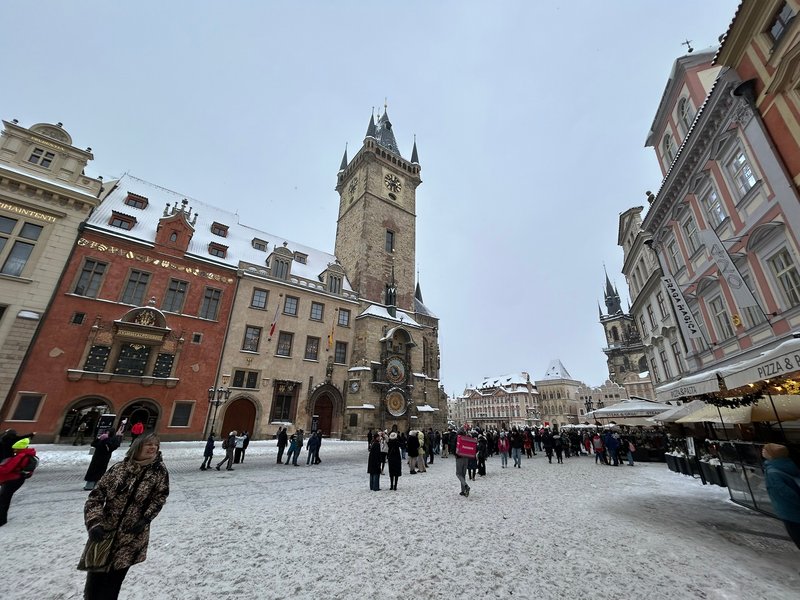
Prague Is Not a One-Center City: Understanding the District Logic
To experience Prague properly, you first need to let go of the idea that the city can be reduced to a single focal point. Unlike cities designed around one dominant core, Prague reveals itself through a series of connected but distinct areas.
Old Town, New Town, Malá Strana, the Castle surroundings, and the Letná area each tell a different story. There are no sharp borders between them, but their rhythm, crowd density, and walking experience change noticeably from one to the next. That is why asking “Where is the center?” is often the wrong question. A more useful one is: How do I want to walk this city?
Prague is best understood through movement. Your real “center” shifts depending on where your day begins, where it slows down, and where it ends. Touristic density, everyday city life, quiet streets, and panoramic viewpoints all exist—but not in the same place.
When this structure is misunderstood, Prague can feel crowded and repetitive. When it is understood, the city opens up and becomes far more coherent.
Old Town (Staré Město): Seeing It vs. Staying There
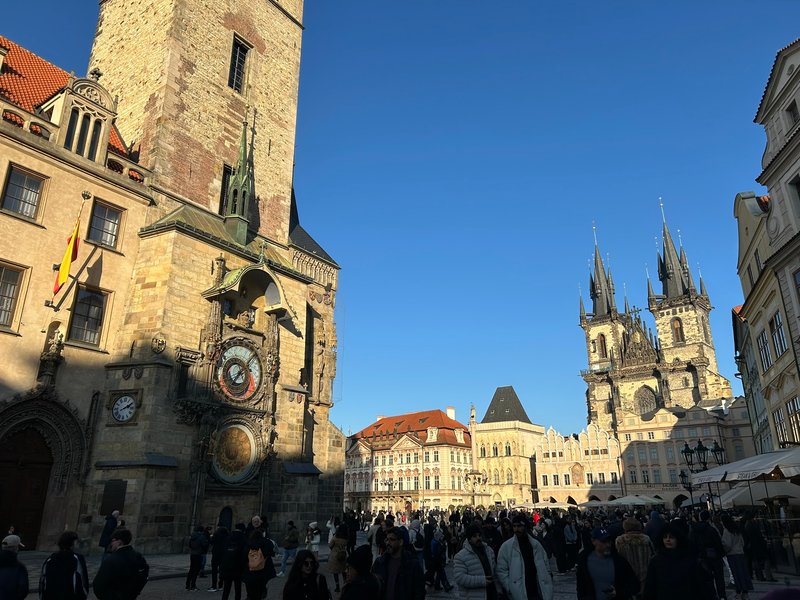
There is no denying that Old Town delivers Prague’s strongest first impression. Historic facades, lively squares, and streets leading toward the river create a visually rich and immediately engaging environment. For first-time visitors, it naturally feels like the heart of the city.
However, visiting Old Town and staying in Old Town are two very different experiences.
As a sightseeing area, Old Town makes sense. As a base for exploring the entire city, it does not always work as well as expected. Constant crowds, higher prices, and uninterrupted movement can quickly become exhausting—especially for travelers who prefer to explore Prague on foot and at a slower pace.
The common mistake is assuming that proximity equals efficiency. In reality, many of Prague’s most rewarding walks do not require passing through Old Town at all. Old Town represents Prague’s most visible layer, not its full structure.
Understanding this distinction is often the first step toward experiencing Prague more deliberately rather than consuming it too quickly.
New Town (Nové Město): Where the City Actually Lives
Many first-time visitors either overlook New Town (Nové Město) entirely or assume it is simply an extension of Old Town. In reality, New Town is where much of Prague’s everyday rhythm unfolds. Wider streets, local cafés, bookstores, offices, and residential buildings shape a more balanced urban environment.
New Town does not announce itself with postcard landmarks, which is precisely why it is often underestimated. But once you start walking, the transition between Old Town and New Town feels natural rather than abrupt. The difference becomes clear at the end of the day: less crowd pressure, more breathing room, and a sense of having moved through the city instead of around a single hotspot.
For first-time visitors who want to understand Prague beyond its most photographed corners, New Town offers a practical middle ground. It is close without being congested, central without being overwhelming. Many travelers who say “I want to be central, but not stuck in crowds” are unknowingly describing New Town.
Malá Strana and the Castle Area: Slower Streets, Different Priorities
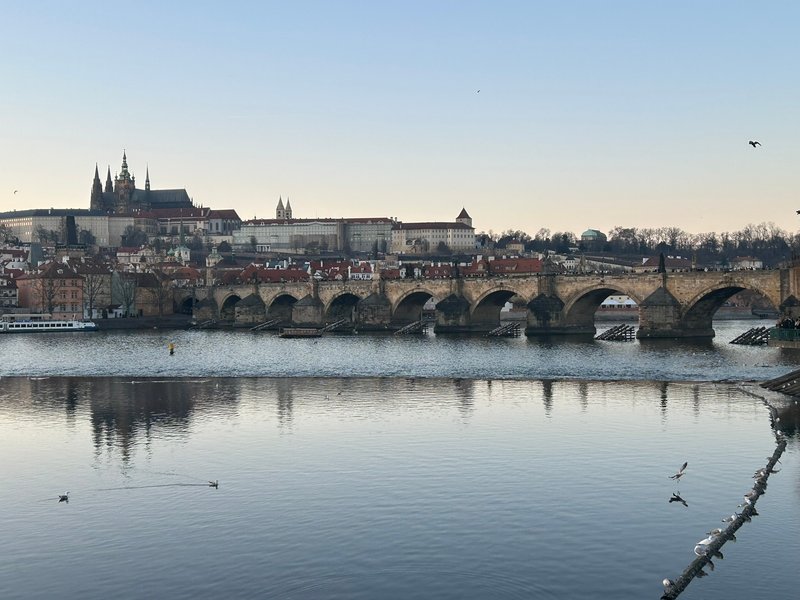
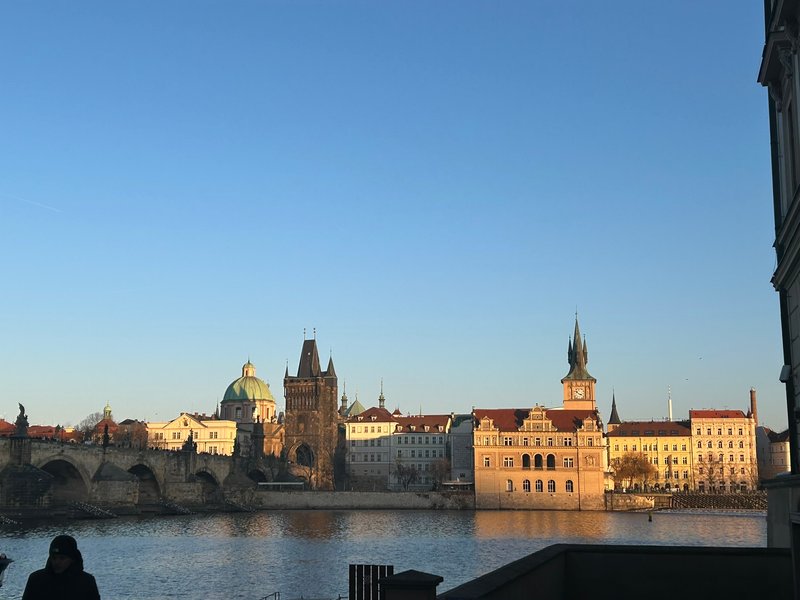
If Old Town defines Prague’s visibility, Malá Strana defines its contrast. Located just across the river, it feels immediately calmer, even though it sits next to some of the city’s most visited landmarks.
Here, walking becomes more intentional. Streets are narrower, movement is slower, and the experience shifts away from constant stimulation. The Castle surroundings amplify this feeling: elevation, open spaces, and fewer commercial distractions change how time is perceived during the day.
Malá Strana challenges the idea that “central” means “busy.” It shows that proximity does not have to come with noise or urgency. For travelers who prefer rhythm over intensity, this part of the city often becomes the most memorable—even if they did not plan to spend much time here initially.
Letná and the View from Above: Understanding Prague from a Distance
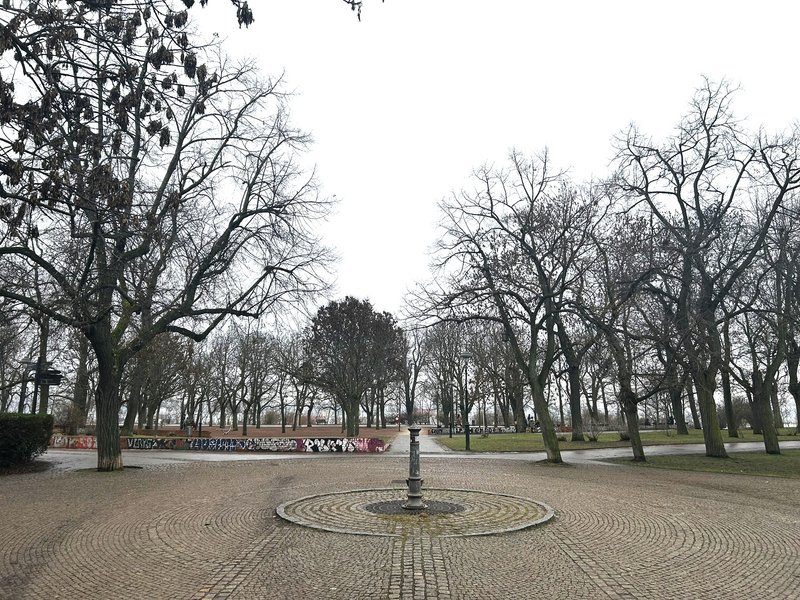
Few places dismantle the idea of a single city center as clearly as Letná Park. Most visitors associate Letná with views, and while the panorama is impressive, its real value lies elsewhere.
From Letná, Prague stops looking like a collection of must-see spots and starts to appear as a coherent urban landscape. The river, bridges, Old Town rooftops, and surrounding districts align into a visible structure. This perspective changes how you experience the city afterward—especially when you return to street level.
Letná creates distance, and that distance is productive. It allows you to see where the crowds concentrate, where space opens up, and how the city is layered. For first-time visitors, this moment often marks a shift: Prague stops feeling chaotic and starts making sense.
Does Staying “in the Center” Really Mean Better Days in Prague?
One of the most common planning mistakes first-time visitors make is tying accommodation decisions entirely to the idea of being “central.” In Prague, staying in the center does not automatically translate into shorter walks or better days. In many cases, it leads to repetition.
Travelers who stay in Old Town often find themselves moving within the same dense cluster of streets, returning to familiar paths simply because the surrounding area feels saturated. Prague may appear compact, but the mental fatigue caused by constant crowds builds quickly. When everything is close, nothing feels distinct.
Good days in Prague are not defined by proximity alone. They are shaped by sequence, pacing, and intention. This usually requires stepping outside the assumed center rather than anchoring yourself to it.
How Reading Prague Correctly Changes Your Walking Routes
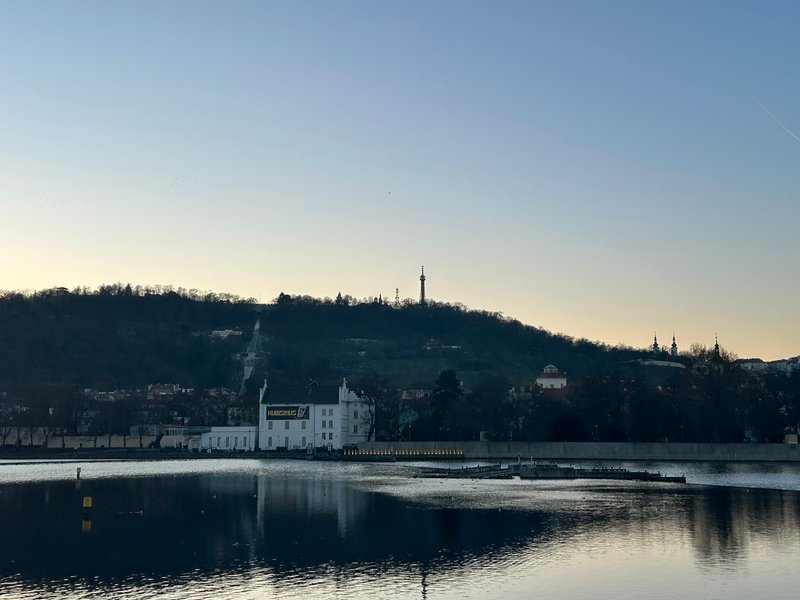
Once the idea of a single center is abandoned, daily routes become more fluid. Mornings can start in quieter districts, afternoons can absorb higher-energy areas, and evenings can slow down in open or elevated spaces. The city stops feeling like a checklist and starts behaving like a system.
This shift is subtle but powerful. Two travelers can visit the same places and walk similar distances, yet have completely different impressions of Prague. The difference almost always comes down to how the city was read, not how much was seen.
Prague rewards those who understand its structure. It is not a city to be conquered quickly, but one to be distributed evenly across time and space.
Which Prague Guides Make More Sense Once This Perspective Is Clear?
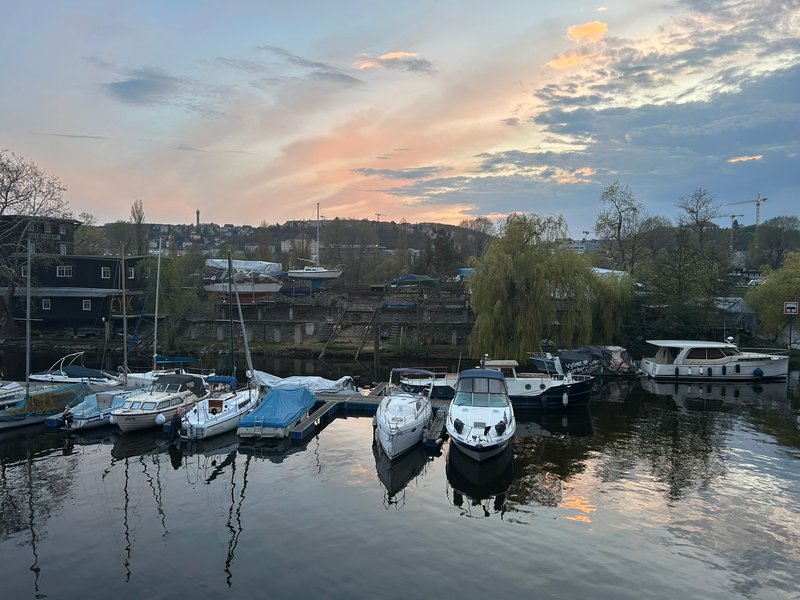
When Prague is no longer viewed through a single-center lens, other guides begin to align naturally. Charles Bridge, for example, stops being a mandatory crossing and becomes a deliberate choice—best experienced at specific moments rather than squeezed into any available slot.
Similarly, Malá Strana shifts from a transitional zone into a destination defined by rhythm and restraint. And Letná Park becomes more than a viewpoint—it becomes a tool for understanding why Prague does not revolve around a single core.
Each of these guides highlights a different aspect of the city, but they all rely on the same principle: Prague makes sense only when its structure is respected.
Final Thought
The mistake first-time visitors make in Prague is not loving the wrong places—it is reading the city from the wrong starting point. Once the idea of a single center is replaced with an understanding of movement, districts, and pacing, Prague becomes clearer, calmer, and far more memorable.


