

Valentine’s Day in Prague: A Calm Walking Day Without the Crowds
A realistic Valentine’s Day walk in Prague: Mala Strana streets, river paths, Letná views, and a calm, flexible route without tourist pressure.
Valentine’s Day in Prague: A Calm Walking Day Without the Crowds
A Walk, Small Stops, and Simple Moments
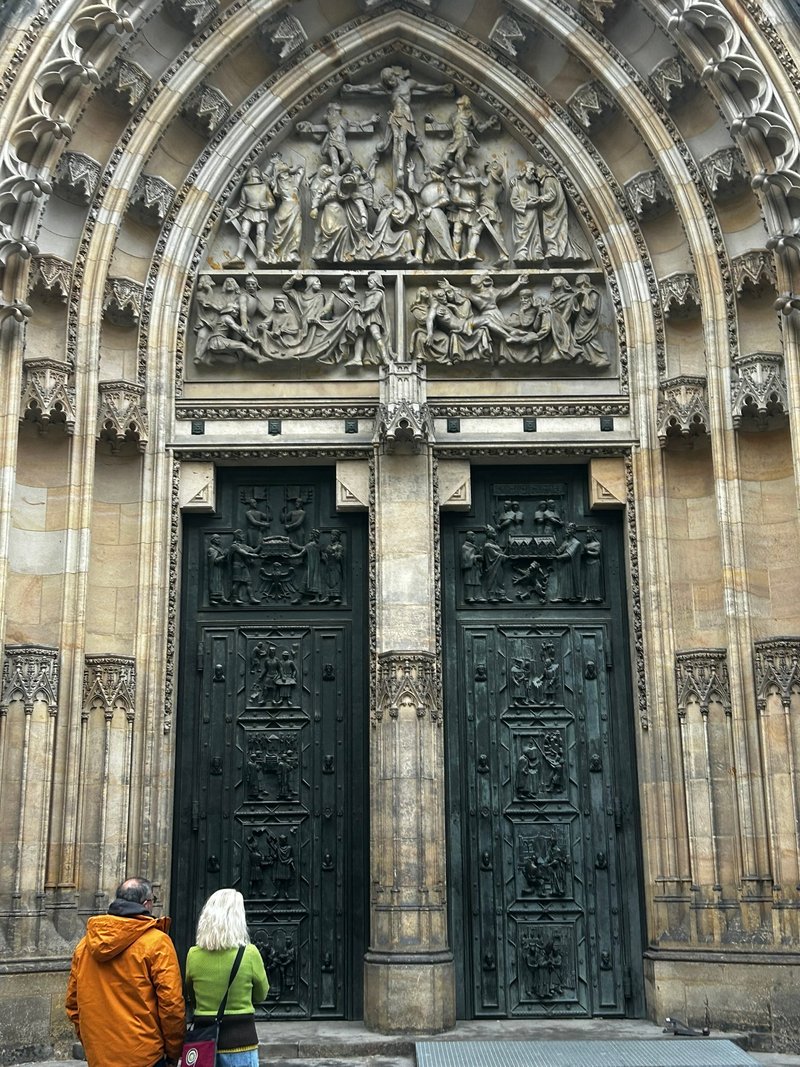
Is It Possible to Spend Valentine’s Day in Prague Without Overdoing It?
Valentine’s Day in Prague is not a big spectacle. Restaurants are busier than usual, but the city itself doesn’t push the occasion. There are no loud gestures, no forced romance. And that’s exactly why Prague works well for a quieter kind of Valentine’s Day.
We didn’t make reservations or plan the day hour by hour. The idea was simple: walk through the city, stay in control of the crowds, and let the day take its own shape. Prague makes this easy. Especially in the historic center, a few small turns can take you from busy streets into calm, almost residential pockets.
This article is for anyone who wants to spend Valentine’s Day in Prague without exaggeration, but not meaninglessly either. It’s not a romantic fantasy itinerary. But by the end, you’ll have a clear and realistic walking idea you can actually use.
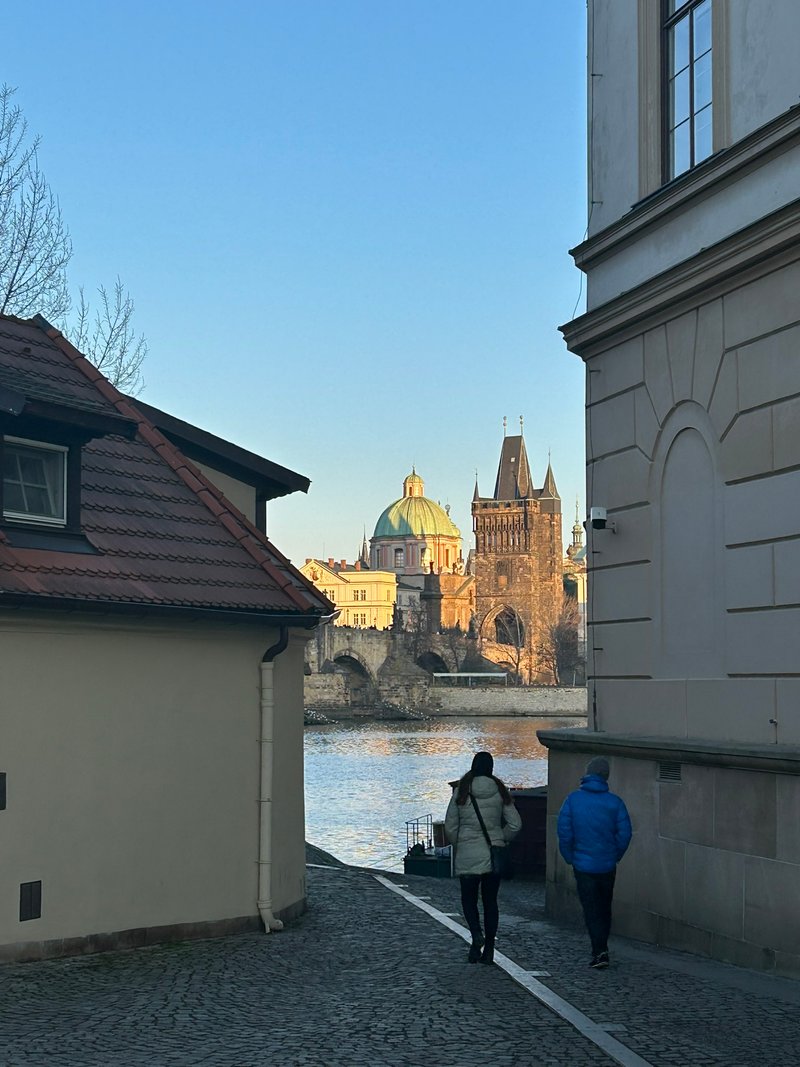
Where Does It Make Sense to Start the Day? (Central, But Not Noisy)
Where you start the day matters more than people think. We chose to begin in an area that is still central, but not where the crowds gather first. Because as the day goes on, Prague’s rhythm changes quickly.
That’s why we started walking from the inner streets of Mala Strana, using the neighborhood as a transition zone rather than a destination. The goal wasn’t to head straight for the bridge. Charles Bridge starts getting busy even in the morning.
Instead, it’s easy to move through parallel streets, keeping the bridge in sight without stepping into it. This single decision shapes the rest of the day. You’re clearly in the center of Prague, but the center doesn’t take control of you.
Guiding the Walk Instead of Planning It
For this kind of day, a fixed route is less useful than a few basic decisions:
- Stay within one area instead of covering long distances
- Use main axes without walking directly on them
- Avoid one-way routes that force you forward
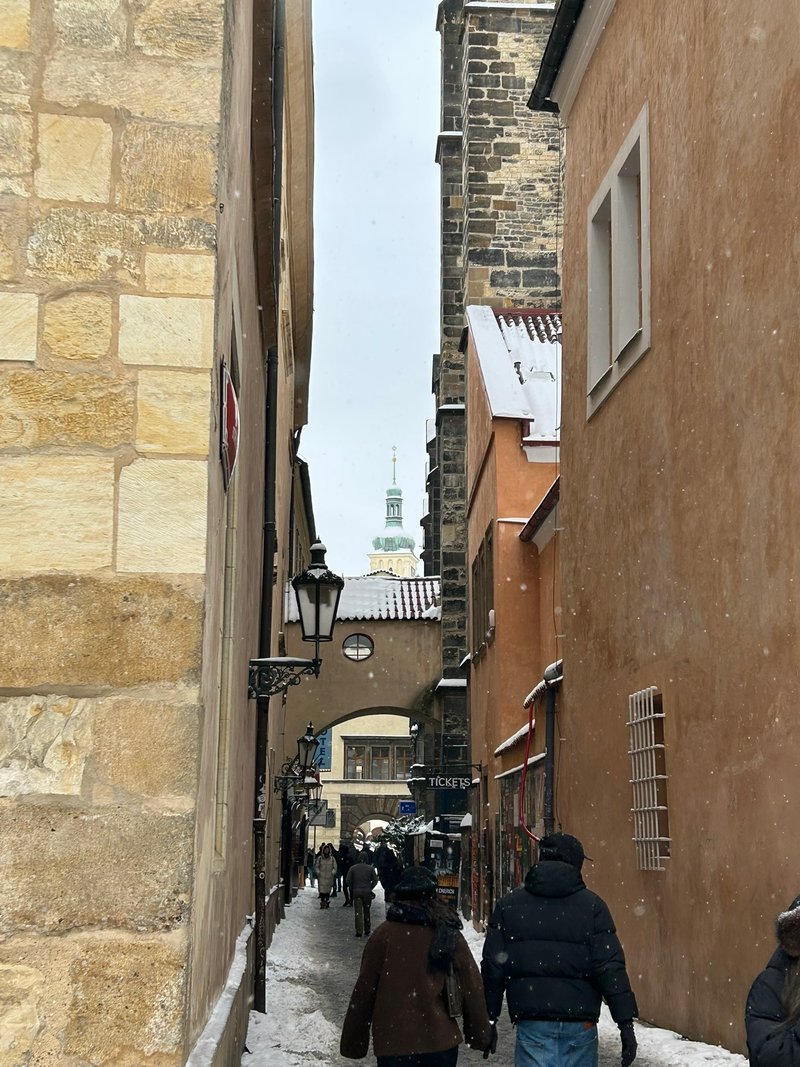
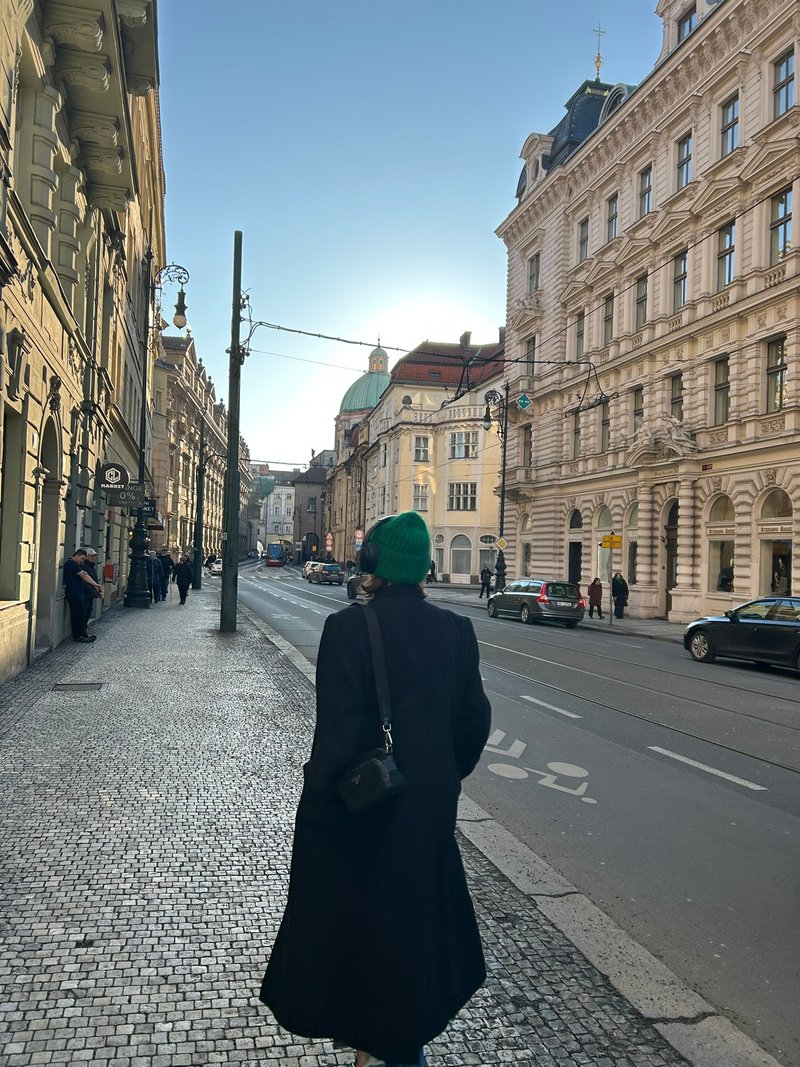
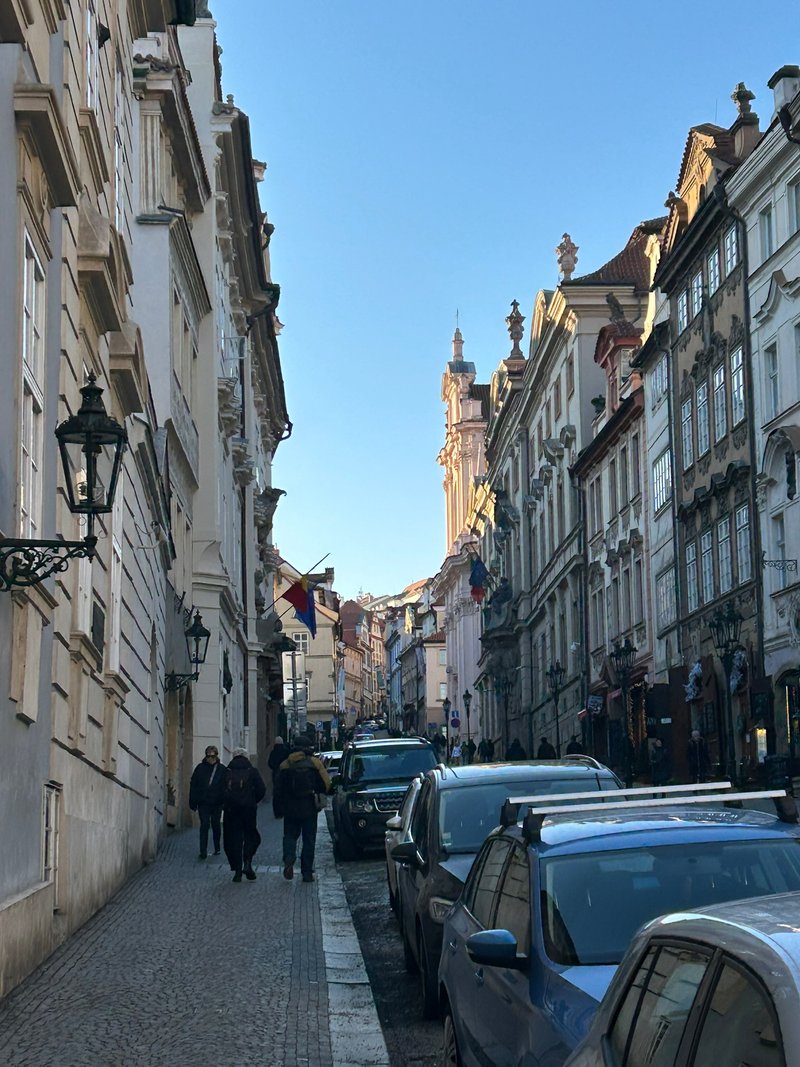
We followed this logic while moving through the streets of Mala Strana, choosing gently rising roads instead of flat tourist corridors. The walking is comfortable, and there are natural moments to pause. Sometimes just turning around gives you a view worth stopping for — without climbing to a formal viewpoint.
At this stage, the goal isn’t to reach somewhere. But it isn’t random either. The walk is guided, not imposed. And for a day like Valentine’s Day — personal but sensitive — that balance makes everything feel easier.
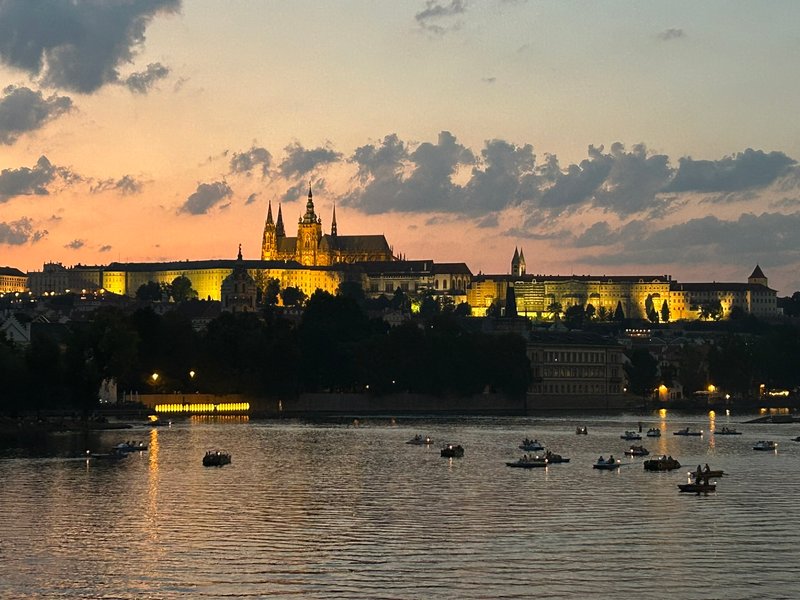
Breaking the Walk Into Small, Open-Air Stops
On a day like February 14, it doesn’t make much sense to rely on indoor stops or places with limited access. Instead, we structured the walk around open spaces that naturally slow you down, without forcing you to stop.
In Mala Strana, this happens almost on its own. Streets widen slightly, traffic disappears, and short uphill sections create natural pauses. Even stopping for a minute to look back down a street works as a reset. These moments don’t interrupt the walk — they shape it.
Rather than taking one long break, we preferred several short ones. A few minutes here, a few minutes there. This keeps the day light and flexible, especially if the weather is cold. You’re never fully stopping, but you’re never rushing either.
Dropping Down to the River: Staying Central Without the Pressure
By late morning or early afternoon, the city becomes more active. At this point, moving toward the river helps change the rhythm without leaving the center. Walking along the Vltava River creates that balance: you’re still surrounded by the city, but the pace feels wider and calmer.
The area around Kampa Island works especially well for this part of the day. It’s always accessible, easy to walk, and offers space to pause without feeling exposed. You see people heading toward the bridge, but you’re not pulled into that flow.
This stretch isn’t about doing anything specific. You walk, you stop briefly, you watch the water, then you move again. It’s one of the most natural parts of the day — unplanned, but not accidental.
A Gentle Rise: Changing Direction Without Forcing It
After a while, walking at river level starts to feel complete. That’s usually the moment when the direction changes again — not suddenly, but gradually. Leaving the river and moving toward gently rising streets shifts the day without announcing it.
This transition naturally pulls you toward Letná Park. The climb isn’t demanding, and the reward doesn’t require effort. You don’t need to chase a viewpoint or wait for a perfect moment. A short pause, a glance across the city, and that’s enough.
The value of this section is subtle. It doesn’t dominate the day, but it reframes it. After this point, everything feels calmer — even if the city around you hasn’t changed at all.
Knowing When to Stop Adding Things
By mid-to-late afternoon, the walk feels finished on its own. That’s when restraint matters. Instead of adding another neighborhood or pushing toward a “final highlight,” we chose to keep the day intact.
No dramatic ending. No forced evening plan. Just letting the walk end while it still feels complete. That decision is what keeps the day from becoming tiring or overdesigned.
How We’d Actually Walk This Day (A Clean, Flexible Route)
Once the day is finished, the walk can be described very simply. We didn’t think of it as a route at first, but looking back, the structure is clear — and easy to repeat.
This is how we’d summarize it if you want to follow the same rhythm:
- Start: Begin in the inner streets of Mala Strana. The goal is to stay central without stepping straight into the busiest paths. Avoid heading directly toward the bridge.
- First stretch (30–45 minutes): Walk through side streets with gentle elevation. Use main streets only to cross, not to stay on them. This part sets the tone for the day and keeps the pace slow.
- Middle section: Gradually move down toward the Vltava River. Walk alongside the water and through the open paths around Kampa Island. Stop briefly when it feels right, then continue.
- Transition: Leave the river without forcing it. Take a route that naturally rises away from the water, changing perspective without demanding effort.
- Afternoon: Walk toward Letná Park. You don’t need to reach a specific viewpoint. A short pause with a wide city view is enough.
- End: Let the walk finish naturally. No fixed endpoint, no evening “highlight” to chase. Stopping while the day still feels complete is part of what makes it work.
The total walking time comes out to roughly 3–4 hours, depending on stops and pace. It’s easy to shorten or extend:
- skip the climb if it’s cold
- spend more time by the river
- or end earlier without losing the character of the day
What matters is the order and rhythm, not precision.
If This Kind of Day Works for You…
If this approach to Valentine’s Day in Prague feels right — calm, central, and unforced — these articles build naturally on the same idea:
→ More walking routes with the same low-key, crowd-aware logic.
→ Understanding when the bridge adds to a walk — and when it doesn’t.
→ Why this walk feels central without ever feeling crowded.
This article is meant to sit quietly inside your February Prague cluster —
not loud, not salesy, but useful and repeatable.


