

Prague Castle Travel Guide: Courtyards, Cathedral & Walking Route
How to visit Prague Castle the smart way: where to enter, when to stop, St. Vitus Cathedral, Golden Lane, and the best walking route downhill.
Prague Castle Travel Guide: Courtyards, Cathedral and Walking Route
Prague Castle Is Not a “Sight” — It’s a Walking Space
Prague Castle is often described as a single landmark. In reality, it’s something very different. Prague Castle is not a place you “enter, visit, and leave.” It’s a walking space where you read the city from above. Courtyards, transitions, open areas, and exits matter more than ticking boxes.
Most first-time visitors make the same mistake:
“Let’s go to the castle, enter everything, and be done with it.”
This approach usually leads to crowds, unnecessary fatigue, and a shallow experience. You leave with a few photos, but without really understanding where you are or how the city fits together.
The goal of this guide is simple:
to show you where to stop, where to pass through, and where stopping is not worth it.
Think of Prague Castle not as a checklist, but as a route.
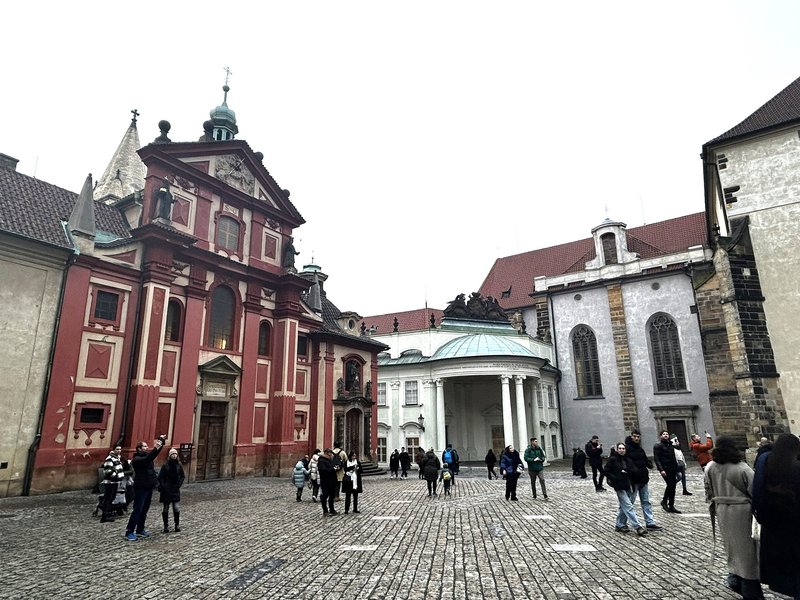
Where Should You Enter Prague Castle? Choosing the Right Starting Point
How you experience Prague Castle depends heavily on where you start. This is not a flat complex. Direction, elevation, and crowd flow matter.
The most sensible strategy is straightforward:
start from the top and walk downhill.
There are two clear reasons for this:
- You deal with the uphill part first.
- The city slowly opens up in front of you as you walk.
Taking a tram up to the castle area and entering from one of the upper access points is the least tiring option, especially for first-time visitors. Approaching the castle from below means climbing first, which often leads to rushing through the rest of the complex just to get it over with.
One important thing to understand:
Prague Castle does not have a single “main gate.” There are multiple entrances and transitions. This alone tells you something essential — this is not a linear museum, but an open urban space.
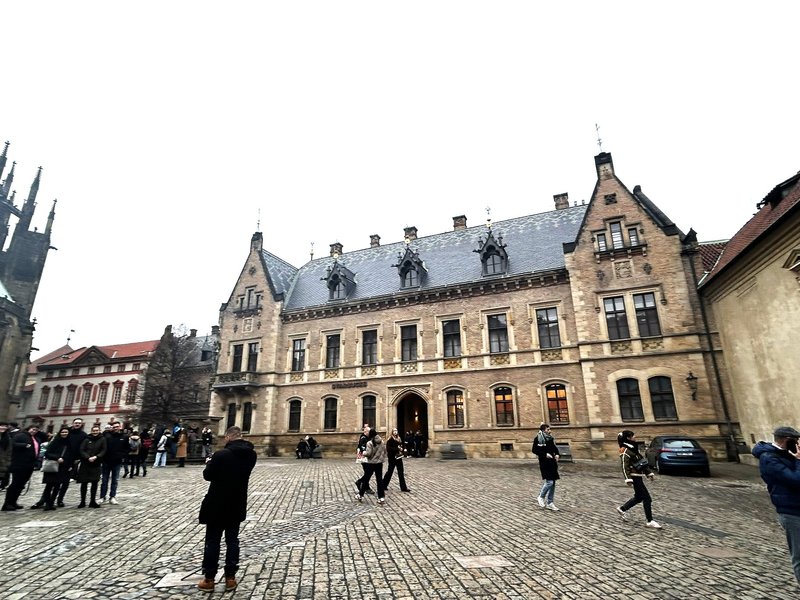
The Courtyards of Prague Castle: Where to Stop, Where to Move On
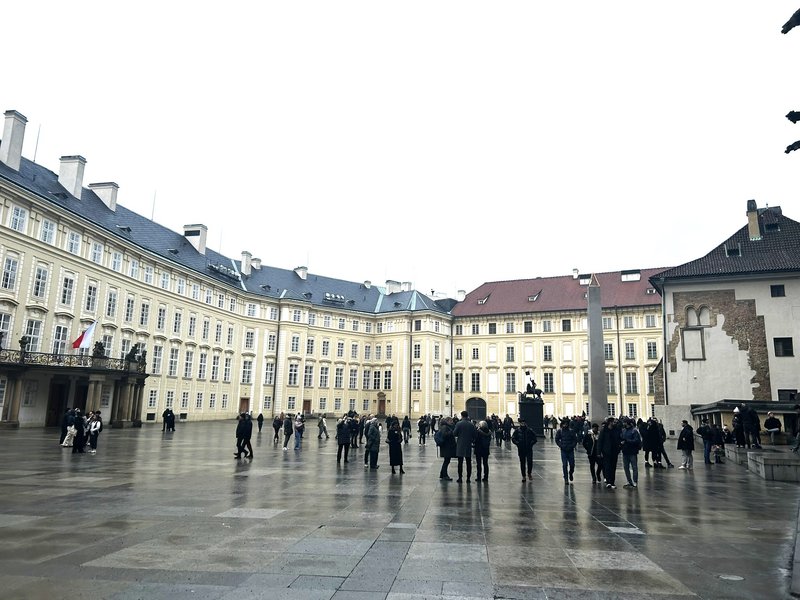
When people imagine Prague Castle, they often picture one large square. In reality, the castle consists of several connected courtyards, and not all of them deserve the same amount of attention.
Some courtyards are:
- Crowded
- Filled with checkpoints
- Places where people stop simply because they have to
Others are:
- Calmer
- Better for understanding scale
- Where the size and presence of the castle truly register
A good castle visit starts with one key skill:
knowing when to stop — and when to keep walking.
Many visitors spend too much time in the first courtyards. These areas are usually noisy and congested. The sense of space and calm comes later, once you move deeper into the complex.
The right approach is:
- Let the first courtyards flow past you
- Adjust your pace and orientation
- Save your energy for the places that actually matter
Prague Castle is not enjoyable because you stop everywhere.
It works when you stop in the right places.
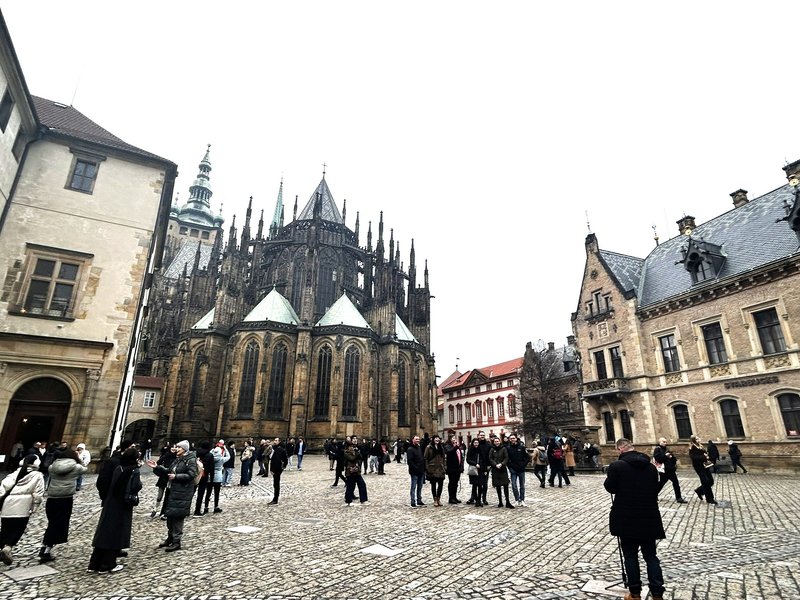
The First Place Where You Should Slow Down
At a certain point, the crowds thin out and the scale of the space becomes clearer. This is where you should consciously slow your pace.
The goal here is not:
- Chasing photos
- Entering every building
- “Completing” the castle
The goal is:
- Becoming aware of where you are
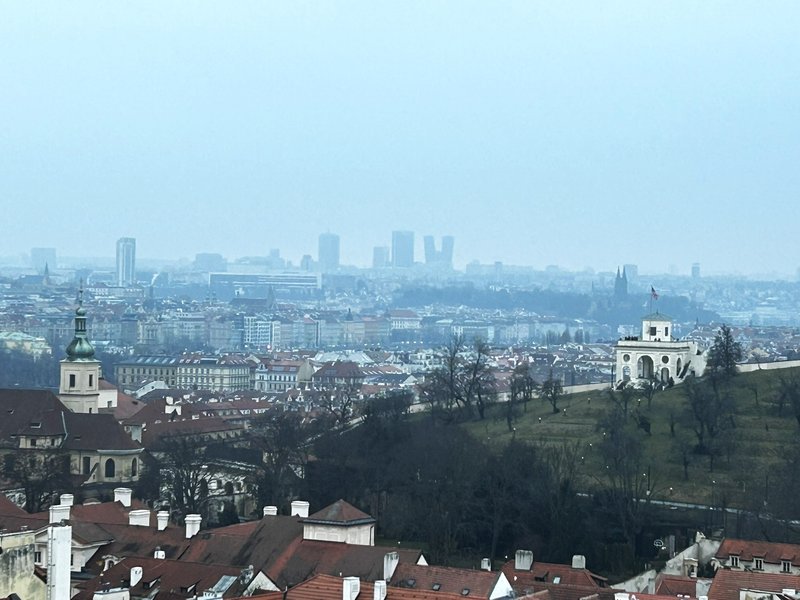
- Seeing how the city spreads out below
- Understanding why the castle sits exactly where it does
Without this moment of awareness, the visit feels incomplete.
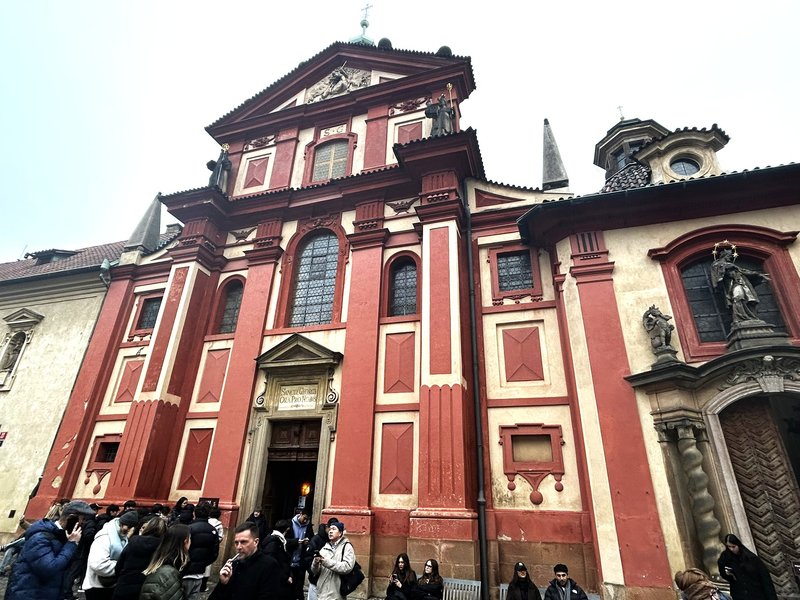
St. Vitus Cathedral: When Is Going Inside Actually Worth It?
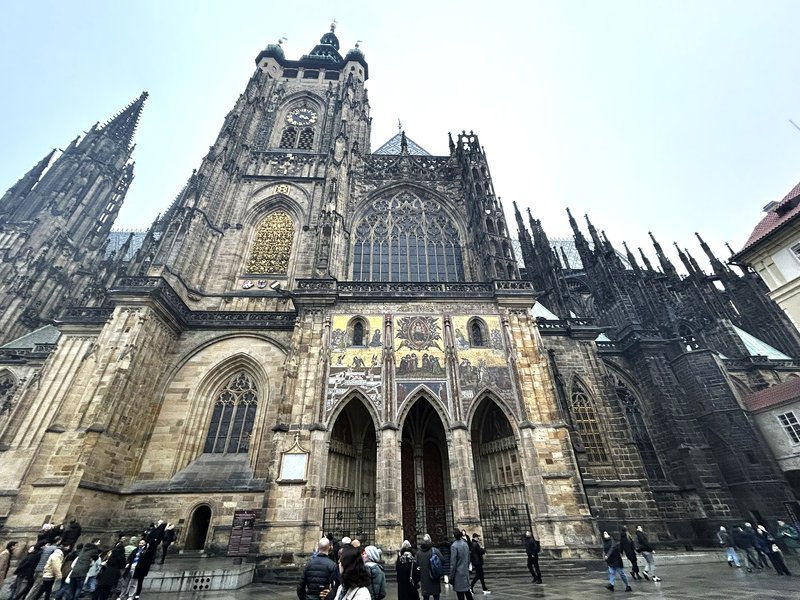
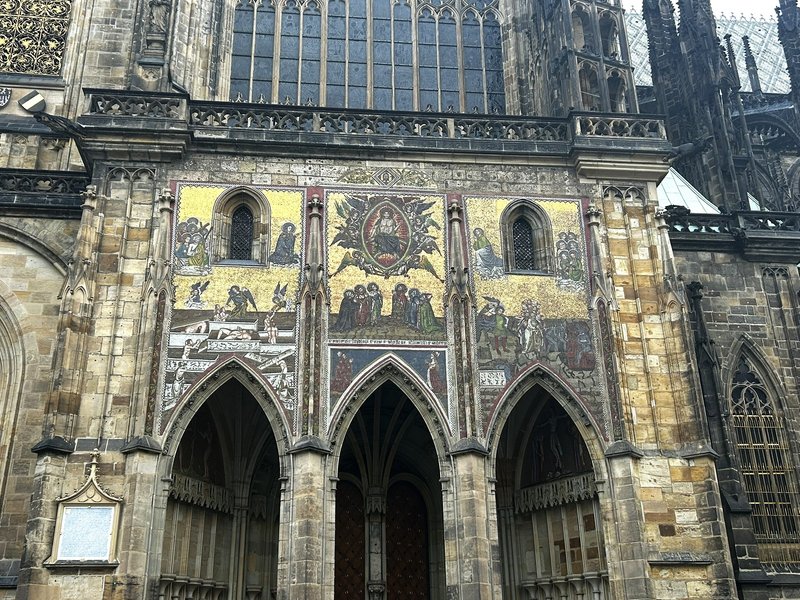
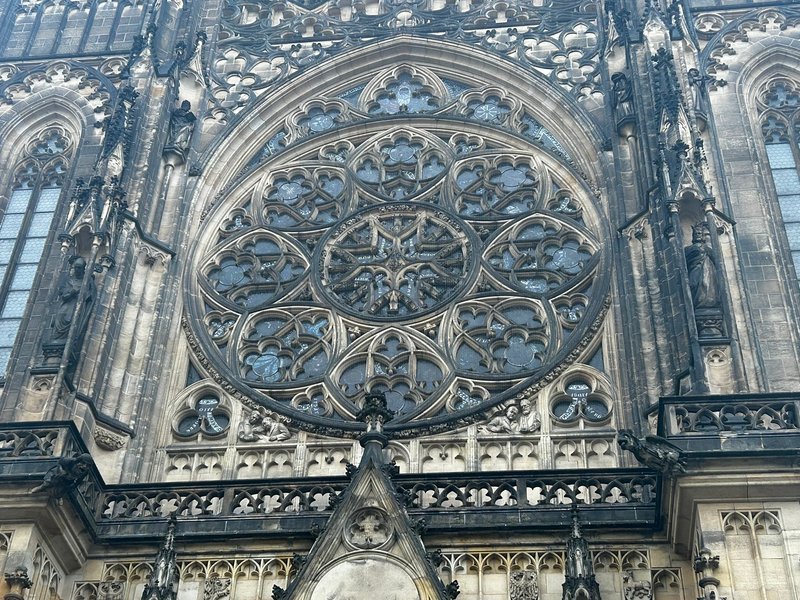
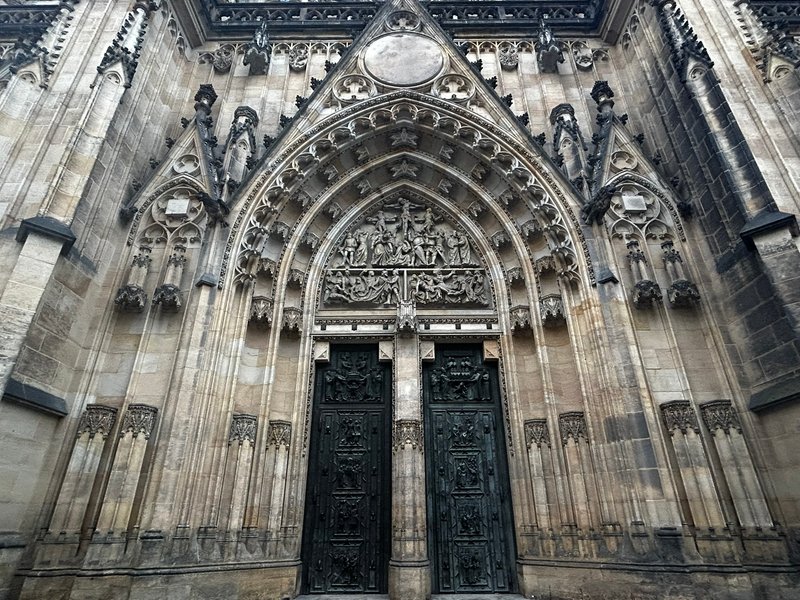
St. Vitus Cathedral is impossible to ignore inside Prague Castle — and that’s exactly where expectations often get distorted. Many visitors treat it as something you must enter simply because it’s there. In reality, that’s not always true.
The first thing to understand is the difference between:
- the free exterior and entrance area, and
- the ticketed interior sections.
For many visitors, the free-access area already delivers most of what matters: scale, atmosphere, and architectural impact. Standing outside, you clearly understand why this cathedral dominates the castle complex. That alone is often enough.
Entering the paid sections only truly makes sense if:
- crowds are manageable,
- you have a specific interest in interior architecture, and
- your schedule is relaxed rather than rushed.
Otherwise, queues and dense visitor traffic tend to flatten the experience. You technically go inside, but without much time or space to absorb it.
The key point is this:
You don’t need to “consume” St. Vitus Cathedral to understand Prague Castle.
Sometimes staying outside gives you more than rushing through the interior.
Golden Lane: See It or Skip It?
Golden Lane is one of the most photographed parts of Prague Castle — and also one of the easiest places to feel underwhelmed.
The question here is simple:
Is Golden Lane an experience, or just an image?
For many visitors, it’s closer to the second. The lane is:
- very short,
- often crowded,
- and quick to walk through.
If photography isn’t a priority and you’re not interested in small interiors, Golden Lane is not essential. During peak hours, paying for entry often feels disproportionate to what you actually get.
That said, it can be worth it if:
- you visit during quieter hours,
- crowds are low (winter helps),
- or you enjoy architectural details and visual storytelling.
In short:
Golden Lane isn’t bad — it’s just far more hyped than it is deep.
Knowing that in advance prevents disappointment.
Time Management Inside Prague Castle: How Long Do You Really Need?
There’s no single correct answer to how much time you should spend at Prague Castle — but there are common mistakes.
The biggest one is assuming you need half a day.
Realistic scenarios look more like this:
- Focused walk-through:
1.5–2 hours
Enough for courtyards, exterior views, and overall orientation. - Slower pace with selective interiors:
2.5–3 hours
Includes the cathedral area and one or two additional stops.
Beyond that, fatigue usually outweighs added value. Especially in colder months, extending your time inside the castle rarely improves the experience. Instead, it often drains the energy you’ll want later for walking through the city.
Prague Castle works best as a starting point, not a destination that consumes the entire day.
Common Timing Mistakes Visitors Make
Before moving on, it’s worth calling out a few frequent errors:
- Arriving around midday, when crowds peak
- Feeling obligated to enter every building
- Ignoring what comes after the castle
- Scheduling the castle as the final stop of the day
These mistakes are why many people leave thinking:
“It was impressive, but also exhausting.”
With a simple plan and realistic expectations, the castle becomes a balanced, manageable part of your day — not a burden.
Where to Go After Prague Castle: Keep Walking
If you’ve paced Prague Castle correctly, you won’t feel finished when you leave. Instead of exhaustion, there’s usually a quiet urge to keep walking. That’s intentional. The castle isn’t an endpoint — it’s the city’s highest reference point.
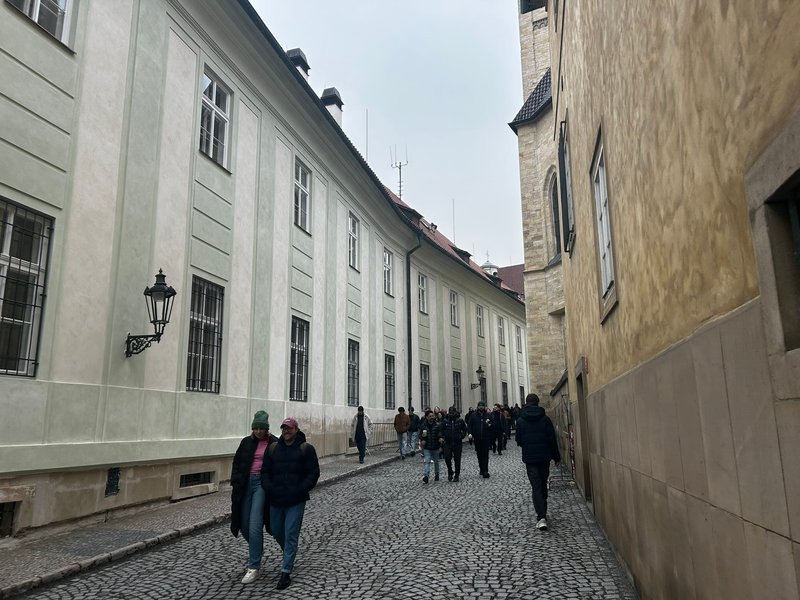
The most natural continuation is to walk downhill toward Malá Strana. This descent is where the castle experience turns into a city experience. Streets narrow, sounds soften, and the tourist density breaks into fragments. The openness of the castle gives way to something more local and enclosed.
The key here is mindset:
you don’t need to reach somewhere immediately.
The value lies in the transition itself.
Stairs and Side Streets: The Moment the City Clicks
The stairways leading down from the castle are not obstacles — they’re part of the experience. They’re not meant to be rushed. These are the moments where stopping, turning around, and looking back actually makes sense.
Many visitors treat these stairs as a necessary inconvenience. In reality, they offer one of the clearest shifts in perspective you’ll experience in Prague. As the castle slowly recedes behind you, its scale becomes easier to understand. It feels less overwhelming — and more intentional.
This is often when it clicks:
Prague Castle makes the most sense after you leave it.
Prague Castle to Charles Bridge: Why Timing Changes Everything
If you continue walking, your route naturally pulls you toward Charles Bridge. But this connection only works if you respect one variable: time of day.
Charles Bridge is not a constant. Its character shifts dramatically depending on when you arrive.
- Early morning:
Calm, fluid, and visually open. Crossing feels natural. - Afternoon to early evening:
Dense crowds, slow movement, and frequent stops. The bridge becomes less of a passage and more of a bottleneck.
This is why Prague Castle and Charles Bridge should be planned together. Spending too long at the castle often pushes the bridge visit into peak congestion hours. Finishing the castle at the right moment allows the bridge to remain part of the flow, not an interruption.
The Most Common Mistakes People Make at Prague Castle
Before closing, it’s worth calling out a few recurring errors:
- Treating the castle like a checklist
- Entering every building out of obligation
- Ignoring what comes after the castle
- Leaving the castle for the end of the day
These mistakes make the experience heavier than it needs to be. When used correctly, Prague Castle structures your day instead of consuming it.
When You Read Prague Castle This Way, the City Makes More Sense
Once you stop seeing Prague Castle as a task and start seeing it as a spatial overview, the rest of the city becomes easier to navigate. Your sense of “center” shifts. Walking routes feel more logical. Crowds become easier to predict.
If this approach resonates with you, these guides continue the same way of reading Prague:
- Prague’s Misleading City Center: What First-Time Visitors Get Wrong
- Mala Strana Travel Guide: Streets, Churches & Walking Routes
- Charles Bridge Guide: Morning or Evening?
Read together, they turn Prague from a list of attractions into a city you understand by walking through it.


